 Request a Tutor Become a Tutor
Bangkok, Thailand
Please watch my video to learn more about me and my teaching approach.

Hello! I am a licensed and TEFL-certified English teacher from the Philippines. I hold a bachelor's and master's degree in English.
I offer IELTS prep courses (Speaking and Writ... Read more

Notre Dame of Marbel University
Notre Dame of Marbel University
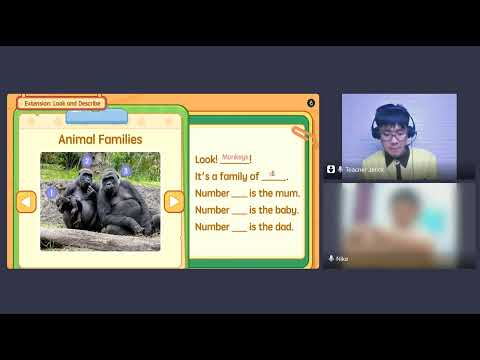
This is a sample PPT of the book 1000 words. This is go...
In this lesson, my student and I simulated a scenario f...
I specialize in grammar, punctuation, and rhetorical skills for the SAT and ACT Language sections. I work mostly with high school juniors and seniors, focusing on both basic grammar and test strategies tailored to their level.
I tailor my approach depending on the student’s baseline proficiency—building foundational grammar skills for those who need it, and focusing on time-saving test strategies and advanced error recognition for higher-scoring students.
I align lessons with the current SAT and ACT formats by using official materials, staying updated on test changes, and focusing on frequently tested skills. Lessons mirror real test conditions and emphasize both grammar rules and strategy, ensuring students are well-prepared and confident on exam day.
My teaching methodology is student-centered and diagnostic-based. I begin by assessing each student’s strengths and weaknesses through practice tests or targeted drills. Lessons are then structured to address specific skill gaps, starting with foundational grammar and progressing to test strategies and timed practice. I use clear explanations, guided examples, and immediate feedback to reinforce learning. Each session is adapted to the student’s pace and goals, ensuring steady progress and confidence-building.
Topic: SVA The session begins with a 5-minute warm-up quiz to assess the student’s baseline skills, followed by a 10-minute mini-lesson explaining key rules, such as singular vs. plural subjects and common traps like intervening phrases and collective nouns. Next, the student engages in 15 minutes of guided practice using test-style questions, with detailed explanations to reinforce concepts. This is followed by 10 minutes of independent timed practice to build accuracy and pacing. The lesson ends with a brief recap and a homework assignment for further reinforcement.
I assess a student's English language proficiency through a combination of diagnostic tools and performance-based tasks. I start with a placement test or sample SAT/ACT section to identify grammar, vocabulary, and comprehension strengths and weaknesses. I also use writing prompts and reading passages to evaluate their ability to express ideas clearly and understand context. Observing how they perform during lessons—such as their error patterns, pacing, and response to feedback—helps me adjust instruction to match their proficiency and target specific skill areas.
For my tutoring sessions, I use a blend of official and supplemental materials to ensure comprehensive preparation. These include official practice tests from the College Board and ACT, Inc., test prep books like The Official SAT Study Guide and The Real ACT Prep Guide, and online resources such as Khan Academy and ACT Academy for personalized practice. I also create custom worksheets and drills targeting specific skill gaps, such as grammar rules and rhetorical skills. Additionally, I use interactive tools like Google Docs for collaborative writing exercises and tracking progress. This diverse mix helps reinforce key concepts and provides varied ways to practice.
To help students improve their writing skills, I use a combination of strategies focused on clarity, organization, and style. First, I emphasize the importance of clear thesis statements and strong topic sentences to guide their writing. I teach them how to outline their essays before starting to ensure logical flow and coherence. During drafting, I encourage the use of varied sentence structures and strong transitions to maintain engagement. I also focus on revising and editing, helping students recognize and fix common errors such as grammar mistakes, awkward phrasing, and redundancy. Peer reviews and self-reflection are part of the process, as they allow students to evaluate their work critically. Finally, I provide regular feedback, highlighting areas of strength and offering targeted suggestions for improvement. This approach builds their confidence while honing their writing abilities over time.
When teaching grammar and vocabulary, I focus on both understanding the rules and practical application. For grammar, I break down concepts into digestible parts, starting with the basics like subject-verb agreement, tenses, and sentence structure. I use a variety of exercises, including fill-in-the-blank, error correction, and sentence re-writing, to reinforce these concepts. I also explain the underlying logic behind rules so students can apply them flexibly. For vocabulary, I encourage context-based learning by reading passages and identifying unfamiliar words, teaching students how to infer meanings from context. I introduce techniques like using word roots, prefixes, and suffixes to expand their vocabulary and aid in retention. Regular quizzes, games, and practice exercises help keep students engaged and reinforce both grammar and vocabulary skills. This approach ensures they not only understand the rules but also use them confidently in their writing and speaking.
Yes, I offer mock exams for students to practice. These exams are designed to simulate real SAT or ACT test conditions, including time limits and question types, to help students build test-taking stamina and improve their pacing. I use official practice tests from the College Board and ACT, Inc., along with custom mock exams tailored to address specific areas where a student needs improvement. After each mock exam, I provide detailed feedback on performance, including an analysis of strengths and weaknesses, and suggest strategies for improvement. This helps students identify areas to focus on in future sessions while getting accustomed to the test's format and time pressure.
To teach students how to write a well-structured essay, I focus on the essential elements of organization, clarity, and coherence. First, I emphasize the importance of a strong thesis statement that clearly presents the main argument or purpose of the essay. I guide students through creating an outline before they begin writing, helping them organize their ideas logically. The essay structure is broken down into the introduction (with a clear thesis), body paragraphs (each with a topic sentence and supporting details), and conclusion (which reinforces the thesis and wraps up the argument). I teach students how to write effective topic sentences to guide each paragraph and use transitions to maintain smooth flow between ideas. During drafting, I encourage students to focus on clarity, avoiding overly complex or convoluted sentences. I also stress the importance of revising for coherence and conciseness, ensuring each paragraph supports the central thesis. Peer review and self-editing are integrated into the process to develop critical thinking and editing skills. This methodical approach helps students build confidence in writing structured, persuasive essays.
I help students improve pronunciation and intonation through phonetic drills, minimal pair practice, and listening exercises. I assess individual sound issues and focus on stress, pitch, and rhythm. Students practice by imitating native speakers and reading aloud with appropriate emphasis. I also use voice recordings for comparison and provide feedback to enhance fluency and natural-sounding speech.
I improve students' listening skills through active listening exercises, note-taking, and dictation activities. I gradually increase the difficulty of audio clips, using various accents and speeds. After each exercise, I have students summarize and discuss key points, providing feedback to reinforce understanding and improve comprehension.
I motivate students by setting clear, achievable goals and celebrating their progress along the way. I tailor lessons to their interests and needs, making learning engaging and relevant. I emphasize the importance of consistent practice and remind them that improvement is a gradual process. To build confidence, I highlight small successes and provide constructive feedback. Additionally, I encourage a growth mindset by framing challenges as opportunities to learn, and I foster a supportive, positive learning environment where mistakes are seen as part of the learning journey.



 Educational Qualification
 Learning Materials






 Questions for You