
x
![]()

Let’s face it Managing challenging behaviour in the classroom can be daunting for a teacher. No matter how experienced or efficient you are without having a presence of mind it is next to impossible handling a child’s bursting emotions. A posi...
Let’s face it Managing challenging behaviour in the classroom can be daunting for a teacher. No matter how experienced or efficient you are without having a presence of mind it is next to impossible handling a child’s bursting emotions. A positive environment is essential for a productive learning environment. Not only that, a good teacher must know strict boundaries about anti-bullying.
As a leading online platform in the country, we have come to many such experiences shared by our experts. From their real life experiences, they are going to share some of the practical strategies to handle disruptive behaviour. We will also talk about how to foster positive student behaviour, and maintain a positive classroom environment.
Needless to mention Classroom management is a crucial element of teaching. And yes managing challenging behaviour can be difficult. Therefore, teachers need to have strategies in place to help them manage such behaviours effectively. Scroll down to discover what our experienced educators has to say about this:
One effective strategy for dealing challenging Braja opor of the students is positive reinforcement. This involves praising and rewarding students who are demonstrating good behaviour while providing consequences for those engaging in disruptive or inappropriate actions. As a teacher you need to be every poised and disciplined while facing the behavioural impacts. No matter what it is not recommended to lose your calm as a teacher.
Try to reinforce desirable behaviours and encourage students to follow classroom rules consistently. There is no harm in knowing little about anger management as well.
The first step in dealing with challenging behaviour is to understand the root cause of the behaviour. The better you understand the better you can help.
According to our experts various factors can be responsible for triggering such behaviour including:
The list can go long. By identifying the root cause of the behaviour, teachers can better approach to manage the behaviour effectively. Try to set an example for the rest of the class if a situation like this arises. Also make sure something like this won’t happen again in the future.
But how to create it? Well, there is no rule book to create a positive and student friendly environment, as a teacher you must be able to take prompt actions.
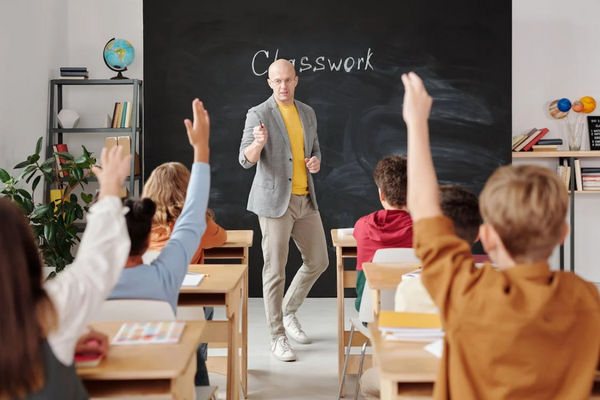
Try setting clear expectations and rules, using positive reinforcement, and encouraging open communication with students. Talk to them freely as a friend, instead of giving them strict instructions try to be humorous.
A good teacher must know how to develop behavioural strategies to foster positivity among students. Remember communication is the key, the more you communicate the better you understand them. Which means chances of tackling a heated situation would be better. Appoint a student as in-charge who will take care of the situations like this report to the authority in future.
Making positive relationships with students will take more time and effort than you think. You have to take the lead here because you are their teacher and both their relatives so there is no way they can trust you unless you give them some. To build such relationships effectively, share your feelings first, this approach will help the students to open up about their feelings as well.
Students who may have experienced trauma should be treated with extra care. Make sure the school has the proper infrastructure to handle such behaviour. In most cases they are very vulnerable to abuse. Try to create a safe and supportive environment. Use trauma informed strategies if required to keep the classroom environment safe and friendly for the students. Discuss it with the principle and other teachers and plan your approach accordingly in the future.
In order to resolve the issues try to provide appropriate support. Well, that is not as easy as it may sound. Seek help from a learning support teacher or educational psychologist. No matter what, don't be rude or say something that could possibly make the situation worse. If you think you are in no position to deal with the situation, ask help immediately.
There are several ways to create a positive learning space for students.
First, make sure every student is feeling valuable and comfortable in sharing their thoughts and asking questions. If as an educator you can ensure that students can become more active participants in their learning process.
Next, focus on establishing trusting relationships with your students which will make them feel comfortable approaching you with queries about their assignments or when they are having difficulties. Many of them could find comfort in knowing they have someone they can confide in and trust. By spending time with each student individually, paying attention to their comments or worries, and displaying enthusiasm when they approach you to share their experiences or stories, you can establish rapport with your pupils.
Ans: Positive reinforcement is an essential tool for managing challenging behaviour in both adults and children. Positive reinforcement can encourage a person to continue engaging in beneficial behaviours while avoiding negative ones.
Regarding behaviour management, positive reinforcement effectively addresses challenging behaviour by providing incentives that motivate good conduct. For example, if a child has difficulty making their bed each morning, the parent may offer them a reward like extra screen time after they successfully complete the task. This will encourage the child to continue making their bed as they now know that it leads to something desirable.
Ans: The ability to create a warm, caring environment in the classroom can significantly improve student motivation and receptiveness to learning. Teachers can foster strong, mutually respectful relationships by following a few simple steps.
First and foremost, teachers should strive to get to know each student individually. Doing so will help teachers identify each student’s unique needs and interests in order to provide engaging, tailored activities. Additionally, this will show each student that their teacher genuinely cares about them as individuals rather than just another number or face in the crowd.
In addition to getting to know the students individually, teachers need to be consistent with their expectations and actions when dealing with students.
Ans: Trauma-informed practices create an environment that promotes safety and trust. This includes establishing clear boundaries and expectations, providing consistent routines and structures, validating emotions and experiences, practising self-care strategies such as mindfulness or yoga, and allowing for healthy expression of feelings through art or writing. These approaches support individuals in understanding their emotions better while also allowing them to explore new ways to cope with difficult situations without resorting to unhealthy or destructive behaviour patterns. Additionally, trauma-informed professionals are trained on how best to de-escalate conflicts should they arise.
Dealing with challenging behaviours in the classroom can be difficult for teachers. However, understanding the underlying causes of behaviour, using positive reinforcement and implementing consistent rules and boundaries should help to reduce or eliminate undesirable behaviours in the classroom.
It is also essential to use various strategies tailored to individual students, as every child responds differently. With an effective system and open communication, teachers can better manage challenging behaviour in the classroom and create a more positive learning environment for all students.
Read More:
How to Create Interactive and Engaging Lesson Plans for School Students?


MyPrivateTutor is an online community of school teachers and private tutors who come together to share their work, knowledge and rich experience with students to help them prepare well and excel in their exams. We help connect students to tutors in their locality. Students search for tutors and tutors pay a lead generation fee to contact the students and start taking lessons either in-person or online. We have been operating since 2002 and operate in Canada, US, UK, India, and many other countries.
Tell us your learning requirements in detail and get immediate responses from qualified tutors and institutes near you.
Post Learning Requirement
