 Request a Tutor Werde Tutor
Chicago, USA
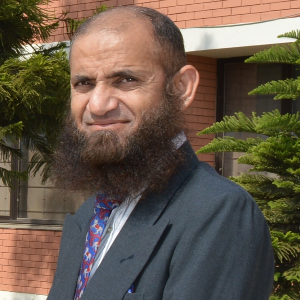
I am Muhammad, an Electrical Engineer by Profession. I received my Bachelor degree in Electrical Engineering. Thereafter, I received by Masters and PhD degrees in Electrical Engine... Mehr lesen

College of Electrical & Mechanical Engineering
College of Electrical & Mechanical Engineering, National University of Sciences & Technology
College of Electrical & Mechanical Engineering, National University of Sciences & Technology
To prepare learners for standardized exams in Electrical Engineering, focus on comprehensive content coverage, emphasizing core topics like circuit analysis, control systems, and electromagnetics. Use active learning strategies, such as practice problems, hands-on labs, and projects. In both online and classroom settings, foster peer collaboration through study groups and discussion forums. Regular timed mock exams and feedback sessions help students develop exam strategies and time management skills. Utilize technology like simulation tools and online platforms for interactive learning. Lastly, encourage a growth mindset and stress management to build confidence and reduce exam anxiety.
Current issues in Electrical Engineering that I would highlight include renewable energy, smart grids, electric vehicles (EVs), IoT, cybersecurity, and advanced power electronics. Integrate sustainability topics like solar and wind power into lessons with case studies on smart grids. Discuss EV technologies and battery systems in projects. Teach IoT concepts through hands-on design of smart devices and emphasize the importance of securing electrical systems against cyber threats. Use simulations to explore power electronics advancements for renewable energy integration. Incorporating these real-world issues makes lessons relevant, inspiring students to tackle global challenges through engineering solutions.
Current issues in Electrical Engineering that I would highlight include renewable energy, smart grids, electric vehicles (EVs), IoT, cybersecurity, and advanced power electronics. Integrate sustainability topics like solar and wind power into lessons with case studies on smart grids. Discuss EV technologies and battery systems in projects. Teach IoT concepts through hands-on design of smart devices and emphasize the importance of securing electrical systems against cyber threats. Use simulations to explore power electronics advancements for renewable energy integration. Incorporating these real-world issues makes lessons relevant, inspiring students to tackle global challenges through engineering solutions.
My policy on career guidance in Electrical Engineering is to emphasize informed and personalized advice. I would stay updated on industry trends, emerging fields, and educational opportunities, guiding students toward options aligned with their interests and skills. Encourage exploration of diverse career paths, including power systems, electronics, telecommunications, and renewable energy. Provide information on certifications, internships, and graduate programs to enhance career prospects. Foster connections with industry professionals and alumni for mentorship opportunities. Support students in developing essential skills like problem-solving and innovation, while emphasizing the importance of lifelong learning in this evolving field. Tailor advice to individual aspirations for maximum impact.
Current Electrical Engineering policies and practices focus on sustainability, renewable energy integration, smart grids, electric vehicles (EVs), cybersecurity, and IoT deployment. Incorporate these into lessons by exploring government policies on clean energy, grid modernization, and EV incentives. Use case studies on smart grid projects, energy efficiency mandates, and cybersecurity standards. Teach students practical applications, like designing energy-efficient circuits, EV charging systems, or IoT-based smart devices. Highlight ethical practices and compliance with safety and environmental regulations. Encourage project-based learning to connect classroom concepts with real-world policies, preparing students to address industry challenges while adhering to professional standards.
The duration and number of sessions for Electrical Engineering training depend on the course scope and learners’ needs. A basic introductory course may take 4–6 weeks with 8–12 sessions, while intermediate topics like control systems or power systems require 8–12 weeks with 16–24 sessions. Comprehensive training or certification preparation typically spans 3–6 months with 24–48 sessions. Each session can last 1–2 hours, held 2–3 times a week. Tailor the schedule to align with learners’ goals, such as exam preparation or project-based learning, and allow flexibility to adjust based on their progress and understanding.
Learning outcomes for Electrical Engineering training include mastery of core concepts like circuit analysis, power systems, and control systems; proficiency in using tools like MATLAB or simulation software; and the ability to apply theoretical knowledge to real-world problems. Outcomes are measured through regular assessments, including quizzes, assignments, and project evaluations. Mock exams and problem-solving sessions assess preparedness for standardized tests. Practical labs and simulations demonstrate hands-on skills, while group projects evaluate teamwork and application abilities. Feedback sessions and rubrics ensure progress tracking, while learners' ability to explain concepts and solve industry-relevant problems confirms the achievement of learning objectives.
To ensure training is up-to-date, regularly update the curriculum to include emerging fields like renewable energy, smart grids, and electric vehicles. Collaborate with industry professionals to incorporate the latest trends and practices, and invite guest speakers for real-world insights. Encourage instructors to participate in conferences, webinars, and professional development programs to stay current. Use the latest simulation tools and design software in lessons, ensuring students gain hands-on experience with modern technologies. Incorporate recent case studies and research to bridge theory and practice, ensuring learners are prepared for contemporary challenges in Electrical Engineering.


 Bildungsabschluss
 Fragen an Sie