 Request a Tutor Diventa un tutor
Dumaguete, Filippine
Hi, I am Teacher Jetti, 41 years old, and I'm from the Philippines. I can teach Science, Biology, History, Arts and Crafts, and other subjects, except Math. I conduct classes onlin... Per saperne di più

Universidad de Zamboanga
This is a preparation in speaking English for those who...
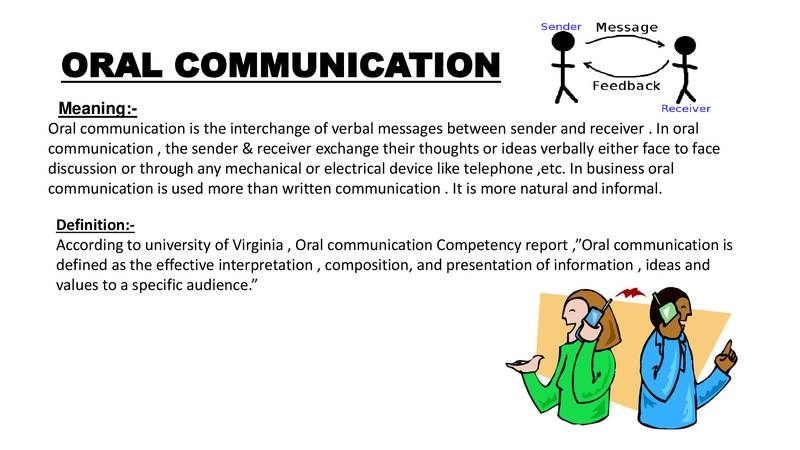
Oral communication is the exchange of information and i...
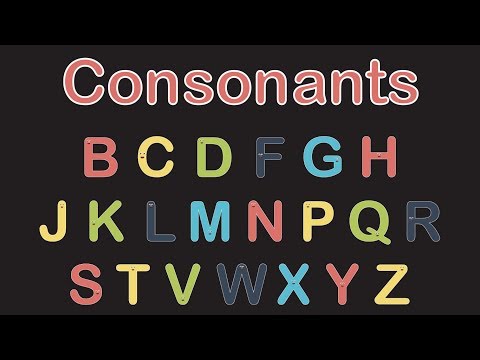
A consonant blend is made up of consonants found next t...
his section offers listening practice to help you under...
Itsy Bitsy Spider is a popular nursery rhyme and finger...
Kill not the goose that lays golden eggs is a popular p...
Ten little bunnies is a funny short colorful eBook for ...
A Lion lay asleep in the forest, his great head resting...
When you prepare for speaking and writing, start first ...
This video is for kids. Money can't buy happiness. Reme...
Trophy hunting is hunting of wild animals as trophies, ...
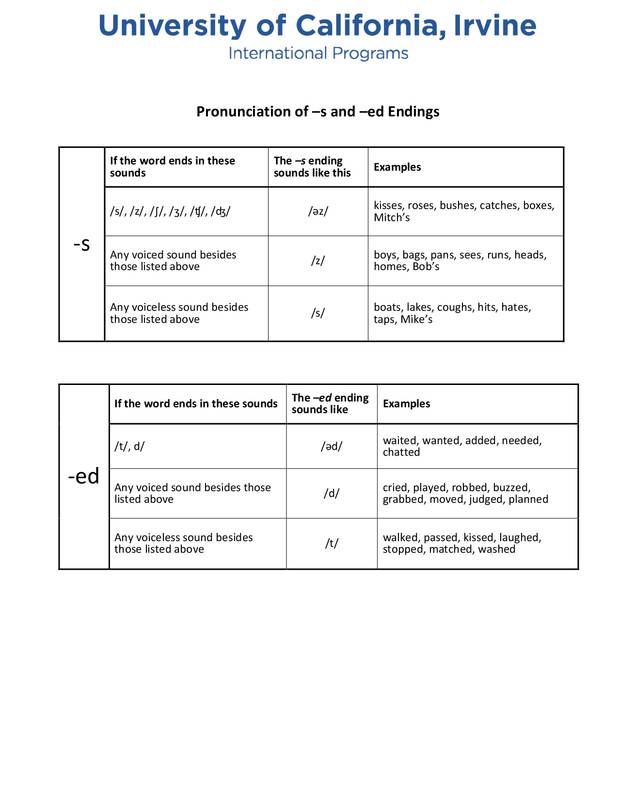
Past Tense Pronunciation for Regular Verbs (-ed) Rule 1...
A phrase used by American politicians to imply their op...
can be used on its own or with the companion. It is a h...
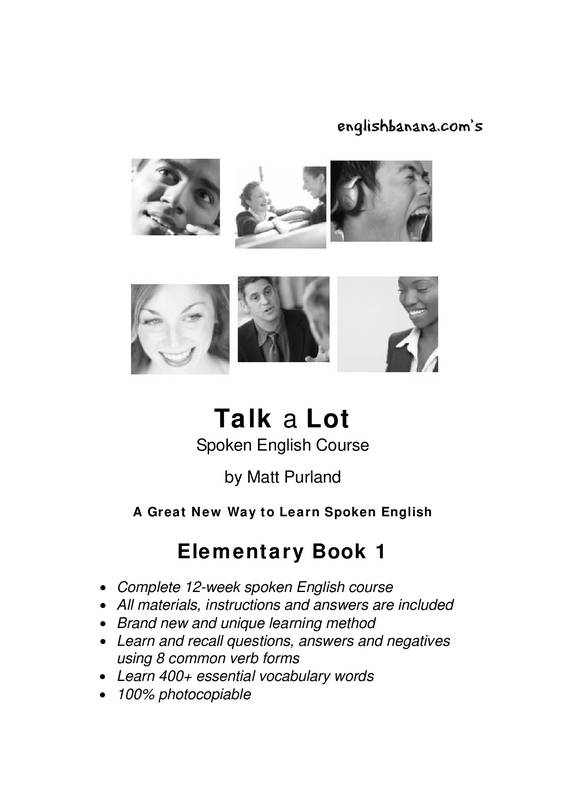
Talk a Lot is a great new way to learn spoken English, ...
English Grammar Exercises · Adjectives and adverbs · ...
Speaking effectively is defined as speaking in such a w...
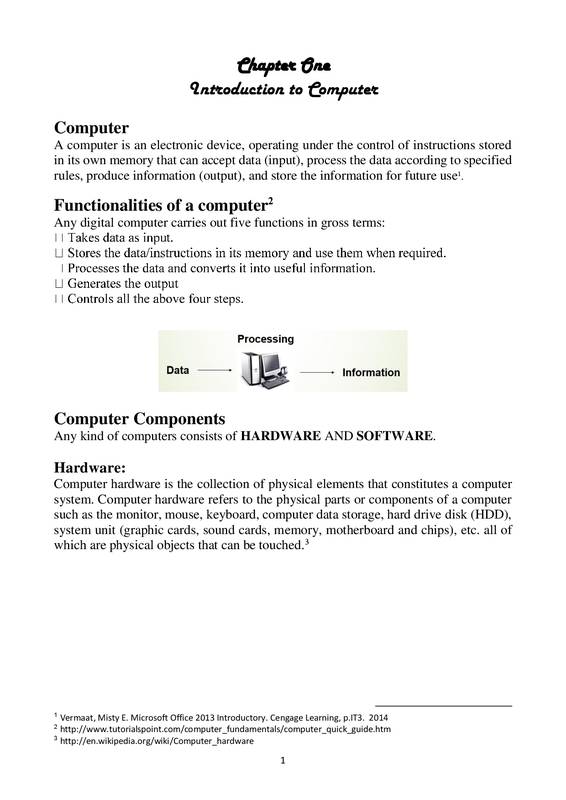
A computer is an electronic device, operating under the...
5 and up
My approach to lesson planning and preparation involves several key steps to ensure that each lesson is engaging, well-structured, and aligned with learning objectives. Here's how I typically approach it: Identify Learning Objectives: Start by clearly defining the learning objectives for the lesson. What do I want students to know, understand, or be able to do by the end of the lesson? These objectives guide the selection of content and activities. Assess Student Needs: Consider the needs, interests, and prior knowledge of the students. What are their strengths and weaknesses? What topics or concepts might they find challenging or engaging? This information helps tailor the lesson to meet students' needs effectively. Select Content and Resources: Choose appropriate content, materials, and resources to support the learning objectives. This may include textbooks, supplementary readings, multimedia resources, handouts, and interactive activities. Plan Engaging Activities: Design a variety of engaging activities and instructional strategies to facilitate student learning. These may include discussions, group work, hands-on activities, simulations, role-playing, multimedia presentations, and interactive demonstrations. Sequence Learning Activities: Sequence the learning activities in a logical order to scaffold student learning and promote understanding. Start with an engaging hook or introduction, followed by the presentation of new content, guided practice, independent practice, and a conclusion or summary. Differentiate Instruction: Consider the diverse needs and abilities of students when planning instruction. Differentiate instruction to accommodate different learning styles, abilities, and interests. Provide support for struggling students and enrichment opportunities for advanced learners. Incorporate Assessment: Integrate formative and summative assessment strategies throughout the lesson to monitor student progress and understanding. This may include quizzes, exit tickets, group discussions, peer evaluations, or performance tasks. Allow for Flexibility: Be prepared to adapt the lesson based on student responses, interests, and needs. Flexibility allows for spontaneous opportunities to explore topics in more depth, address misconceptions, or adjust pacing as needed. Provide Closure and Reflection: Wrap up the lesson with a summary of key concepts, connections to real-world applications, and opportunities for student reflection. Closure activities help reinforce learning and provide closure to the lesson. Reflect and Revise: After the lesson, take time to reflect on what worked well and areas for improvement. Use student feedback, assessment data, and personal reflections to revise and refine future lessons for continuous improvement. By following these steps, I ensure that my lessons are well-planned, engaging, and effective in promoting student learning and achievement.
Measuring progress and assessing learning outcomes for students involves a combination of formative and summative assessment techniques. Here's how I approach it: Formative Assessment: Observations: I observe students' participation, engagement, and understanding during class activities, discussions, and group work. Questioning: I ask probing questions to assess students' understanding of key concepts and their ability to apply knowledge in different contexts. Quizzes and Exit Tickets: I use brief quizzes or exit tickets to assess students' comprehension of lesson content and identify any areas of confusion or misunderstanding. Homework Assignments: I review students' homework assignments to gauge their grasp of concepts and their ability to apply them independently. Peer and Self-Assessment: I encourage students to evaluate their own learning progress and provide feedback to their peers through peer assessment activities. Summative Assessment: Tests and Exams: I administer tests and exams to assess students' mastery of content and skills covered over a specific period, such as a unit or semester. Projects and Presentations: I assign projects and presentations that require students to demonstrate their understanding of concepts and their ability to apply them creatively. Essays and Written Assignments: I assign essays and written assignments that require students to analyze, synthesize, and evaluate information in written form. Portfolios: I have students compile portfolios of their work, which may include samples of their writing, projects, and other assignments, along with reflections on their learning progress. Rubrics: I use rubrics to assess students' performance on assignments and projects consistently and objectively, providing clear criteria for evaluation and feedback. Ongoing Monitoring: I continuously monitor students' progress and performance throughout the course, using a variety of assessment tools and strategies. I track individual student data to identify trends, patterns, and areas for improvement, and adjust instruction accordingly to meet students' needs. Feedback and Reflection: I provide timely and constructive feedback to students on their assessments, highlighting strengths and areas for growth. I encourage students to reflect on their learning progress and set goals for improvement based on assessment feedback and self-assessment. By using a combination of formative and summative assessment techniques, I am able to measure students' progress and assess learning outcomes effectively, providing valuable feedback to support their continued growth and achievement.
Yes, I do provide regular homework and assignments as part of my teaching practice. Here's how I approach reviewing and providing feedback on student work: Homework and Assignment Design: I design homework assignments that reinforce concepts covered in class, promote independent practice, and encourage critical thinking and creativity. Assignments are aligned with learning objectives and may include reading assignments, writing tasks, research projects, problem-solving exercises, or multimedia presentations. Clear Expectations: I provide clear instructions, guidelines, and expectations for each homework assignment, including due dates, formatting requirements, and assessment criteria. I ensure that students understand the purpose of the assignment and how it relates to their learning goals. Timely Feedback: I strive to provide timely feedback on student work to ensure that students receive timely guidance and support for improvement. Feedback is provided within a reasonable timeframe after the submission deadline, allowing students to review and learn from their mistakes. Constructive Feedback: Feedback is constructive, specific, and focused on both strengths and areas for improvement. I highlight what students did well and offer suggestions for how they can enhance their work further. I use a variety of feedback methods, including written comments, annotations, rubrics, and verbal feedback, depending on the nature of the assignment and the needs of the students. Individualized Feedback: I tailor feedback to each student's individual needs, taking into account their learning styles, abilities, and areas of growth. I address common misconceptions or errors that arise across multiple submissions to support whole-class learning. Opportunities for Revision: Whenever possible, I provide opportunities for students to revise and resubmit their work based on feedback. Revision allows students to learn from their mistakes and improve their understanding and skills. I provide guidance on how students can use feedback to revise their work effectively and encourage them to reflect on their learning process. Tracking Progress: I maintain records of student homework submissions and feedback to track students' progress over time. This helps me identify trends, patterns, and areas for additional support or intervention. By providing regular homework and assignments and offering constructive feedback, I aim to support students' learning and growth, promote academic success, and foster a culture of continuous improvement in my classroom.
In online teaching sessions, I utilize various technology tools and resources to enhance lessons and facilitate student engagement. Here are some of the key technologies and resources I use: Video Conferencing Platforms: Platforms like Zoom, Google Meet, or Microsoft Teams allow for live virtual classroom sessions where I can deliver instruction, facilitate discussions, and interact with students in real-time. Interactive Whiteboards: Digital whiteboard tools such as Jamboard, Miro, or Microsoft Whiteboard enable collaborative brainstorming, concept mapping, and problem-solving activities during online sessions. Screen Sharing: Screen sharing functionality allows me to share presentations, documents, websites, and multimedia content with students during online lessons, making it easier to illustrate concepts and provide visual aids. Online Polls and Quizzes: Tools like Kahoot!, Poll Everywhere, or Google Forms enable me to create interactive polls, quizzes, and surveys to assess student understanding, promote active participation, and gather feedback. Digital Learning Platforms: Learning management systems (LMS) such as Google Classroom, Canvas, or Moodle provide centralized platforms for distributing course materials, assignments, and resources, as well as tracking student progress and communication. Multimedia Presentations: I incorporate multimedia presentations using tools like PowerPoint, Google Slides, or Prezi to deliver engaging content, visuals, and animations that complement my instruction and cater to different learning styles. Collaborative Documents: Collaborative document editing tools like Google Docs, Microsoft Office Online, or Dropbox Paper allow students to collaborate on writing assignments, group projects, and peer editing exercises in real-time. Virtual Breakout Rooms: Many video conferencing platforms offer virtual breakout room features, allowing me to divide students into smaller groups for discussions, collaborative activities, and peer interactions during online sessions. Recording and Playback: Recording capabilities in video conferencing platforms enable me to record lessons for students who may need to review the material later or for students who were unable to attend the live session. Digital Resources and Websites: I leverage a variety of digital resources and websites, such as online textbooks, educational videos (e.g., Khan Academy, TED-Ed), interactive simulations (e.g., PhET Interactive Simulations), and digital libraries (e.g., Project Gutenberg), to supplement course content and provide additional learning opportunities. By integrating these technology tools and resources into my online teaching sessions, I aim to create dynamic, interactive, and engaging learning experiences that support student learning and success.
Yes. I'm available to support students outside of scheduled lesson times through various channels, including email and phone. Here's how I typically offer additional support: Email Communication: Students can reach out to me via email with any questions, concerns, or clarifications they may have about the lesson content, assignments, or course materials. I make it a priority to respond to emails promptly, typically within 24-48 hours. Phone Consultations: I'm available for phone consultations, where students can schedule a time to discuss any issues or questions they have. Phone calls can be particularly useful for addressing complex questions or providing more detailed explanations. Virtual Office Hours: I hold virtual office hours where students can drop in for one-on-one discussions via video conferencing platforms like Zoom or Google Meet. This provides an opportunity for personalized support and guidance outside of regular class times. Online Q&A Sessions: I may host online Q&A sessions or discussion forums where students can post their questions and engage in asynchronous discussions with me and their peers. This allows for flexibility in accessing support and fosters a collaborative learning environment. Feedback on Assignments: I offer feedback on assignments, essays, or projects outside of class time, providing constructive comments and suggestions for improvement. Students can submit their work electronically, and I provide feedback via email or through annotated documents. Resource Sharing: I share additional resources, such as study guides, practice materials, or supplementary readings, to support students' understanding and further their learning outside of scheduled lessons. Check-ins and Progress Updates: I proactively check in with students to see how they're doing and provide progress updates on their learning journey. This can be done through email, phone calls, or brief virtual meetings. By offering additional support outside of scheduled lesson times, I strive to ensure that students have the assistance and resources they need to succeed academically and feel supported in their learning endeavors.
Yes, I do provide additional support outside of scheduled lesson times to support students' learning needs. Here's how I typically offer support: Email Communication: I encourage students to reach out to me via email with any questions, concerns, or clarifications they may have about the lesson content, assignments, or course materials. I strive to respond to emails promptly, typically within 24-48 hours. Virtual Office Hours: I schedule virtual office hours where students can book appointments to meet with me one-on-one for personalized support and assistance. During these sessions, students can ask questions, seek clarification, or discuss any challenges they may be facing in their learning. Online Discussion Forums: I facilitate online discussion forums or chat groups where students can engage with their peers and me outside of class time. These forums provide a platform for asking questions, sharing ideas, and collaborating on assignments or projects. Phone or Video Calls: In addition to email communication, I may also offer phone or video call consultations for students who prefer to communicate verbally or who require more immediate assistance with complex questions or issues. Review Sessions: Before exams or major assignments, I may offer review sessions where students can ask questions and receive additional support in preparing for assessments. These sessions may be conducted in person or online, depending on student preferences and logistics. Resource Sharing: I curate and share additional resources, such as study guides, practice problems, tutorial videos, or supplementary readings, to support students' independent learning and provide further assistance outside of scheduled lesson times. Feedback on Drafts: For writing assignments or projects, I may offer feedback on drafts or outlines submitted by students outside of class time. This feedback helps students improve their work and make revisions before submitting the final version. By providing additional support outside of scheduled lesson times, I aim to create a supportive learning environment where students feel empowered to seek help, clarify doubts, and succeed academically.
No



 Titolo di studio
 Materiali didattici

















 Domande per te