 Request a Tutor Diventa un tutor
New York, U.S.A.
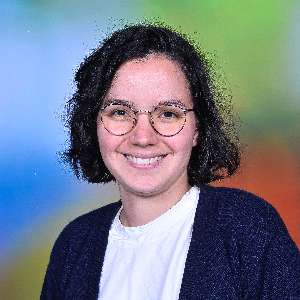
I taught at a private international school for nine years, where I taught Middle School science, High School biology, and AP Biology.
I have a degree in Biology from the Federal... Per saperne di più
Each class is planned according to the students' needs, considering their available time and demands.
Classes I teach:
AP Biology
IB DP High-level Biology
MS Sciences (Chemis... Per saperne di più

Universidade Federal do Rio Grande do Sul
Universidade Federal do Rio Grande do Sul
The University of Texas at Austin
CASIE: The Center for the Advancement & Study of International Education in Cooperation with the IB Global Centre
IB Online Professional Development Department
University of London, UCL Institute of Education and Dyslexia International
I have extensive experience working with students who struggle with Biology, both in one-on-one tutoring and classroom settings. I’ve found that many students face challenges due to gaps in foundational knowledge, difficulty visualizing complex processes, or a lack of confidence. My goal is to make biology relatable and approachable by using real-life examples and breaking down complex concepts into manageable, understandable parts. I tailor my explanations to each student’s learning style and incorporate visual aids, analogies, and guided discussions to bring the subject to life. In addition to teaching content, I help students develop effective study strategies and build their critical thinking skills. I also focus on strategies for annotating questions and understanding exactly what’s being asked—this is especially important for success on standardized exams like the AP or IB Biology tests. By combining content mastery with strategic learning techniques, I aim to build both competence and confidence in my students, helping them engage with biology in a meaningful and successful way.
Over the past 9 years, I’ve worked with a wide range of students preparing for Biology exams at the middle school, high school, and advanced levels, including AP and IB Biology. I’m proud to say that the vast majority of my students have shown significant improvement—not only in their understanding of the material but also in their exam performance. Many of my students have raised their grades by at least one full letter, and those preparing for standardized exams often see score increases that reflect their hard work and our focused, strategic sessions. For example, my AP Biology students frequently achieve scores of 4 or 5, and my IB students consistently meet or exceed their target levels. I attribute this success to a combination of personalized instruction, targeted practice, and helping students develop both strong study habits and test-taking strategies. I work closely with each student to ensure they’re not just memorizing content but truly understanding and applying it—skills that make a lasting difference, both in exams and in their future science studies.
With 9 years of teaching experience, I’ve learned that the key to making Biology engaging is to connect the content to students' everyday lives and natural curiosities. I bring biology to life by using real-world examples and current events that help students see the relevance of what they’re learning—whether it's understanding how vaccines work, exploring genetics through family traits, or discussing environmental issues they care about. I also make lessons interactive by incorporating visual aids, models, videos, and discussions that encourage critical thinking and curiosity. I frequently use questions and scenarios that require students to apply their knowledge, not just recall facts, which keeps them actively involved in the learning process. Most importantly, I create a supportive and enthusiastic learning environment where students feel comfortable asking questions and making connections. By combining clarity, creativity, and real-world application, I aim to make biology not just understandable, but genuinely interesting and enjoyable.
one of my priorities is helping students connect what they learn in the classroom to the real world. I regularly incorporate current events, case studies, and real-life scenarios—like environmental issues, medical advancements, or public health topics—so students can see the direct relevance of biology in their lives. One approach that students especially enjoy is when we explore trendy social media posts or viral claims that they bring up during class. We analyze whether the information is rooted in real science or if it's misleading or inaccurate. This not only keeps lessons current and engaging but also teaches them to think critically about the information they encounter online. It’s a great way to develop scientific literacy and help students become more informed consumers of information. Through discussion, problem-solving, and application-based activities, I guide students to use biological concepts to explain real-world phenomena. These strategies empower them to understand and apply biology in meaningful ways—both in and beyond the classroom.
I make it a priority to incorporate current research and scientific advancements into my Biological Science lessons to keep the content fresh, relevant, and engaging. I regularly bring in recent news articles, journal highlights, and discoveries to show students how biology is constantly evolving and impacting the world around them. I use short video clips and documentaries to visually illustrate new scientific developments—whether it’s breakthroughs in genetics, environmental conservation, biotechnology, or medicine. These multimedia resources help students grasp complex ideas and see how the concepts they’re learning apply to real-world innovations. We often take time to discuss current topics from the news or social media that relate to biology, which encourages curiosity and critical thinking. I also guide students through how to evaluate the credibility of scientific claims they see online or in the media, helping them develop both scientific literacy and real-world awareness. By weaving in current research and timely topics, I aim to create a dynamic learning environment where students see biology not as a static subject, but as a living, evolving science that shapes—and is shaped by—the world they live in.
I place a strong emphasis on teaching students how to write clear, accurate, and well-organized lab reports and scientific papers. I guide them through each section—title, abstract, introduction, methods, results, discussion, and conclusion—explaining the purpose and expectations for each part. To support them, I’ve developed a detailed rubric that outlines exactly what I’m looking for in their writing. This rubric serves as a roadmap to help students understand how to structure their work, how to present and analyze data, and how to communicate their scientific reasoning effectively. It also helps them self-assess and improve their writing before submission. Learning how to read and interpret a rubric is crucial for their college courses in the future. I provide examples of strong scientific writing, and we often review sample lab reports together to identify what works well and what could be improved. I also emphasize the importance of proper citations, objective language, and presenting findings clearly through graphs and tables. In schools that use digital tools like Turnitin, I encourage students to use them as part of the revision process. It’s a great way for them to check for originality, strengthen their academic integrity, and reflect on their writing. By combining structured guidance, consistent feedback, and opportunities for revision, I help students gain confidence and skill in scientific communication.
I believe that understanding the ethical implications of research and experimentation is just as important as understanding the science itself. I approach this by creating opportunities for students to think critically, ask questions, and engage in respectful discussions around real-world bioethical issues. I incorporate case studies, current events, and historical examples—such as gene editing, cloning, vaccine development, and environmental conservation—to help students explore the intersection of science, society, and ethics. We discuss the benefits, risks, and responsibilities that come with scientific advancements, and I encourage students to consider multiple perspectives, including those of scientists, policymakers, patients, and the environment. My goal is to empower students to become thoughtful, informed citizens who recognize the power of biology and the importance of using that knowledge responsibly.
I’ve had the opportunity to mentor many students as they prepare for science fairs and research competitions, and it’s one of the most rewarding parts of my teaching. I guide students through the full process—from developing meaningful research questions to designing experiments, collecting data, analyzing results, and presenting their findings. My background in AP Statistics and my love for statistics have been a great asset, especially when working with high school students. I can help them understand how to apply appropriate statistical tests, interpret their data accurately, and present it in a clear and compelling way. This not only strengthens the scientific validity of their projects but also boosts their confidence in handling data—a critical skill for both competitions and future studies. I also assist students with writing their abstracts, preparing their display boards, and practicing their presentations. We often do mock judging sessions so they can refine their communication skills and learn how to respond to questions thoughtfully and professionally. Whether students are preparing for school fairs, regional competitions, or more advanced research programs, I provide individualized support to help them succeed. My goal is to make the experience both educational and empowering, giving students the tools to think and communicate like real scientists.




 Titolo di studio
 Domande per te