 Request a Tutor 家庭教師になる
Hawally, クウェート
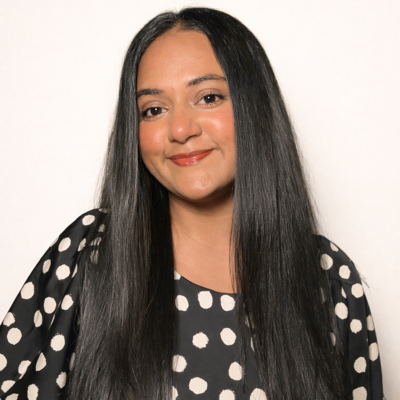
I am a CELTA-qualified language teacher with over 4 years of teaching experience in both the British and American curricula, working with students from Reception to Year 8. I speci... 続きを読む
Every student brings their own unique challenges, and different techniques and methodologies are needed for different age groups as well.
For example, with younger age groups, I... 続きを読む

York St John University
ITI Istanbul
I use a stage‑based writing approach: early learners build fine‑motor skills, phonics links, and confidence through shared writing, while older students follow a simple plan‑draft‑edit process. I model each step, give clear scaffolds, and use short feedback cycles to help all ages grow as independent writers.
I teach these skills through quick mini‑lessons and apply them directly in students’ writing. Younger children learn through phonics, songs, and guided practice; older students use editing checklists, peer review, and targeted correction. Wide reading reinforces accuracy across all ages.
I combine explicit strategy teaching with engaging texts. Early readers focus on phonics, decoding, and fluency; middle learners practice predicting, inferring, and summarizing; older students analyze themes, structure, and author choices. I differentiate texts so every child can access and enjoy reading.
I build these skills through age‑appropriate questioning and discussion. Younger students learn to notice characters, settings, and simple patterns, while older students analyze themes, motives, and author choices. I model thinking aloud, use graphic organizers, and encourage students to justify their ideas with evidence.
I support pronunciation through phonics, modeling, and repetition for younger learners, and targeted practice like minimal pairs, tongue twisters, and reading aloud, for older students. I give gentle corrective feedback and use visual cues, rhythm, and games to make practice engaging.
I build confidence gradually: younger students share short ideas in circle time, while older students practice structured presentations. I teach clear voice, posture, and pacing through modeling and low‑pressure activities like show‑and‑tell, group projects, and quick class talks. Feedback is simple, positive, and focused on one skill at a time.
I break complex grammar into clear, everyday language and use examples that match students’ age and level. Younger learners get visuals and simple patterns; older students get short explanations, models, and quick practice so rules feel logical and usable.
I build confidence through small wins, supportive feedback, and activities that feel achievable. I use games, real‑life topics, and choice‑based tasks to keep them engaged. I also celebrate progress, not perfection, so students feel safe taking risks with the language.
Yes, I review the school’s curriculum, learning outcomes, and assessment expectations to ensure my lessons align with required standards. I adapt my teaching to match the school’s approach while still meeting students’ individual needs.
I focus on simple exam strategies, targeted practice, and clear models. We review key skills, break tasks into steps, and practice with past papers or similar questions. I teach students how to plan, check their work, and manage time so they feel calm and prepared.
I keep sessions interactive with short activities, questions, games, and real examples. I switch between reading, writing, speaking, and quick challenges to maintain focus. I also give students choices and celebrate small wins so they stay motivated.
Yes, I teach students how to read questions carefully, eliminate wrong answers, plan short responses, and check their work. We practice timing, highlighting key words, and using simple structures for clear answers.
Yes, I’m happy to give extra worksheets, reading tasks, and skill‑focused exercises for independent study. I choose materials that match the student’s level so practice feels achievable.
Yes, I can support students with beginner‑level foundations for these exams, including vocabulary, reading skills, listening practice, and simple speaking structures. For older learners, I guide them through sample tasks and strategies.
I recommend books based on age, level, and interests. For younger students, I choose simple, engaging stories, for older students, I suggest leveled readers, short novels, and nonfiction that build vocabulary and comprehension.
I teach business English by modeling clear, professional language through simple email formats, polite phrases, and role‑play activities. Older students practice short emails, introductions, and basic meeting language.
I introduce literary devices through short examples and guided reading. Younger students learn basics like rhyme, repetition, and imagery; older students identify devices in stories and explain their effect. We use quick activities, highlighting, matching, and mini‑analysis, to make the concepts stick.
I encourage students by giving them choice‑based writing tasks, celebrating creativity, and offering simple prompts that match their interests. I provide supportive feedback and opportunities to share their work so writing feels enjoyable and meaningful.



 学歴
学歴
 あなたへの質問