 Request a Tutor 家庭教師になる
Chicago, アメリカ合衆国
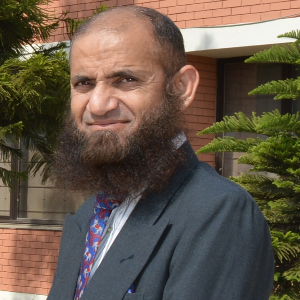
I am an Electrical Engineer with a PhD in Electrical Engineering and over 10 years of academic experience teaching subjects such as electrical engineering, computer engineering, co... 続きを読む
My teaching methodology for online programming courses emphasizes an interactive, hands-on approach designed to engage students and facilitate a deep understanding of core concepts... 続きを読む

College of Electrical & Mechanical Engineering
College of Electrical & Mechanical Engineering, National University of Sciences & Technology
College of Electrical & Mechanical Engineering, National University of Sciences & Technology
As a tutor and programmer, staying updated with the latest programming languages and technologies is essential. I regularly follow reputable tech blogs, forums, and official documentation to learn about emerging trends and updates. I also take online courses and attend webinars or workshops to deepen my understanding. Engaging with developer communities, contributing to open-source projects, and exploring hands-on projects help me apply new concepts in real-world scenarios. Additionally, I subscribe to newsletters and follow key industry leaders on social media for timely insights. Continuous learning and practical application ensure I deliver accurate and relevant knowledge to my students.
Yes, I provide a variety of additional resources to enhance the learning experience. These include practice exercises tailored to the student’s skill level, coding challenges to build problem-solving abilities, and project ideas for real-world application. I also share curated lists of tutorials, documentation, and videos from reputable sources. For deeper understanding, I provide step-by-step guides, sample code, and cheat sheets summarizing key concepts. Additionally, I recommend online platforms like LeetCode, HackerRank, or Codewars for further practice. My goal is to offer diverse, engaging materials that reinforce learning and encourage independent exploration of programming concepts.
I have guided tudents through diverse projects involving C, C++, Assembly language, Arduino, ARM, and PIC microcontrollers. Examples include: 1) C/C++: Implementing algorithms, data structures, and console-based applications. 2) Assembly Language: Writing low-level programs for x86 and ARM architectures, such as arithmetic operations and device drivers. 3) Arduino: Developing IoT projects like home automation, sensor-based monitoring, and robotics. 4) ARM: Programming ARM Cortex-M microcontrollers for embedded systems applications like motor control and real-time processing. 5) PIC Microcontrollers: Creating embedded solutions, including LED interfacing, UART communication, and temperature sensing.
To teach coding for C, C++, Assembly Language, Arduino, ARM, and PIC, I use a combination of tools tailored to the specific platform: 1) C/C++: Visual Studio Code, Code::Blocks, online compilers like OnlineGDB or Replit. 2) Assembly Language: Emu8086, Keil µVision (for ARM), and MASM or NASM for x86. 3) Arduino: Arduino IDE and PlatformIO for program development and debugging. 4) ARM: Keil µVision, STM32CubeIDE for STM32 microcontrollers, and GNU ARM toolchain. 5) PIC Microcontrollers: MPLAB X IDE with XC8/XC16 compilers. Additionally, I provide datasheets, tutorials, and simulation tools like Tinkercad or Proteus for practical understanding.
Here are some examples of coding projects I’ve worked on with students: 1) C/C++: Developing a text-based tic-tac-toe game, file handling utilities, and a basic compiler for arithmetic expressions. 2) Arduino: Building IoT systems like temperature and humidity monitors, obstacle-aoiding robots, and Bluetooth-controlled LEDs. 3) ARM: Programming ARM Cortex-M microcontrollers for real-time tasks such as PWM motor control and sensor data logging. 4) PIC: Designing embedded applications like an electronic voting machine, digital clock, and UART-based communication systems. 5) Each project emphasizes hands-on learning, integrating core concepts like memory management, interfacing, and real-time programming.
Yes, I teach advanced coding topics like algorithm design and data structures. I cover essential algorithms (e.g., sorting, searching, graph traversal) and guide students through designing efficient, optimized solutions. Topics include dynamic programming, greedy algorithms, backtracking, and divide-and-conquer approaches. In data structures, I teach arrays, linked lists, stacks, queues, trees, graphs, hash tables, and advanced structures like tries and segment trees. My lessons emphasize problem-solving techniques, complexity analysis, and real-world applications. I provide hands-on coding exercises, explain concepts with visual aids, and use platforms like LeetCode and HackerRank to reinforce learning through practice.
To help students struggling with time management, I guide them in breaking coding assignments into smaller, manageable tasks with clear milestones. We prioritize tasks based on importance and deadlines, creating a structured plan. I teach strategies like time-blocking and other techniques to enhance focus and productivity. Additionally, I encourage students to set realistic goals and track their progress, emphasizing consistent effort over perfection. Providing templates, pseudocode, and example solutions helps streamline their workflow. Regular check-ins ensure accountability, and I offer tips on overcoming procrastination. My goal is to instill effective habits while building their confidence and coding skills.
I provide constructive and timely feedback on coding assignments to help students improve. Feedback is given regularly after reviewing each submission and focuses on: 1) Code Quality: Assessing readability, modularity, and adherence to best practices. 2) Logic and Functionality: Ensuring the program meets requirements and handles edge cases effectively. 3) Optimization: Suggesting improvements for time and space efficiency. 4) Error Handling: Highlighting and correcting runtime errors or logical bugs. 5) Presentation: Emphasizing proper documentation and comments. 6) I balance praise for strengths with actionable suggestions for improvement. Feedback is given after every assignment or as per the student's progress.


 学歴
学歴
 あなたへの質問