 Request a Tutor 家庭教師になる
Chicago, アメリカ合衆国
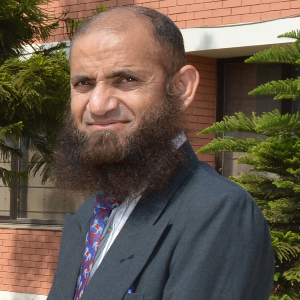
I am an Electrical Engineer with a PhD in Electrical Engineering and over 10 years of academic experience teaching subjects such as electrical engineering, computer engineering, co... 続きを読む
My teaching methodology for mathematics topics such as algebra, linear algebra, analytical geometry, calculus, trigonometry, and differential equations focuses on fostering a conce... 続きを読む

College of Electrical & Mechanical Engineering
College of Electrical & Mechanical Engineering, National University of Sciences & Technology
College of Electrical & Mechanical Engineering, National University of Sciences & Technology
I use a variety of methods to help students learn math concepts and solve problems effectively. I begin by breaking down complex topics into smaller, manageable steps, using visual aids like diagrams, graphs, and real-world examples to build intuition. I emphasize active problem-solving through practice exercises, guiding students step-by-step to develop logical reasoning and critical thinking. Interactive discussions and questioning foster deeper understanding, while tailored examples cater to individual learning styles. I also incorporate technology, such as graphing tools and simulation software, to enhance engagement. Regular assessments and constructive feedback ensure progress and confidence in tackling challenges.
Yes, I have extensive experience with online teaching platforms and virtual tutoring. I have used tools like Zoom, Google Meet, Microsoft Teams. For coding or math-related subjects, I integrate interactive tools / whiteboards and code-sharing platforms (Replit, onlinegdb, Visual Studio Live Share) to make sessions collaborative and engaging. My preferred method of communication is a mix of live sessions for real-time interaction and chat or email for follow-ups and assignment discussions. This combination ensures students receive timely support and clear explanations to enhance their learning.
I am particularly skilled in teaching calculus, analytical geometry, algebra, pre-algebra, linear algebra, trigonometry, differential equations, and statistics. My approach emphasizes building foundational understanding and progressing to advanced problem-solving. I simplify complex topics like integration, 3D geometry, matrix operations, and trigonometric identities, making them accessible and engaging for students. To stay updated with curriculum changes, I regularly review educational standards like Common Core and IB guidelines, attend professional development workshops, and follow trusted educational resources. Engaging with teaching communities and analyzing new textbooks or online materials helps me adapt my methods to evolving academic requirements effectively.
I maintain open and regular communication with parents to keep them informed about their child's progress and challenges in learning math. I provide updates through scheduled meetings, emails, or progress reports, highlighting strengths, areas for improvement, and specific achievements. For challenges, I discuss the root causes, such as conceptual gaps or time management issues, and outline tailored strategies to address them, including additional practice, resources, or modified learning approaches. I encourage parents to share observations or concerns, fostering collaboration. By maintaining a supportive and transparent relationship, I ensure that parents stay engaged in their child’s learning journey and development.
Yes, I provide a variety of additional resources to supplement my lessons. These include customized practice exercises, worksheets, and problem sets tailored to each student's level and learning goals. I also recommend online tutorials, video lectures, and interactive tools to reinforce key concepts. For math, I share visual aids like graphs, formula sheets, and step-by-step guides to problem-solving. For coding, I provide code snippets, project templates, and links to coding platforms for further practice. These resources ensure students have ample opportunities to practice and apply what they've learned independently.
My approach to homework assignments focuses on reinforcing concepts taught in class while encouraging independent problem-solving. I design assignments to be clear, manageable, and aligned with the student’s skill level, gradually increasing in complexity. Each task emphasizes key learning objectives and includes a mix of practice problems, real-world applications, and critical thinking challenges. To ensure understanding, I provide detailed instructions and examples, and I review assignments during follow-up sessions, addressing any errors or misconceptions. For challenging topics, I break problems into smaller steps and encourage questions. This approach helps solidify knowledge, build confidence, and promote long-term mastery of concepts.
To ensure my teaching approach aligns with a student’s learning style, I begin by understanding their preferences, strengths, and challenges through initial discussions or assessments. For visual learners, I use diagrams, graphs, and visual aids; for auditory learners, I emphasize verbal explanations and discussions. Hands-on learners benefit from interactive activities, such as solving problems step-by-step or working on projects. I adapt the pace and complexity of lessons based on their comprehension and provide personalized examples or analogies. Regular feedback from students helps refine my methods, ensuring an engaging, supportive, and effective learning experience tailored to their individual needs.
Yes, I have experience working with students with learning disabilities and special needs. I adapt my teaching methods by first understanding each student’s unique challenges and strengths through discussions with them and their parents or guardians. I use clear, concise instructions and break down complex concepts into manageable steps. Visual aids, hands-on activities, and repetition are often helpful, as are alternative formats like audio explanations or interactive tools. I maintain a patient and flexible approach, adjusting the pace and style of instruction to their needs. Regular positive reinforcement builds confidence, and open communication ensures continuous support and progress.


 学歴
学歴
 あなたへの質問