 Request a Tutor Become a Tutor
Oklahoma City, USA
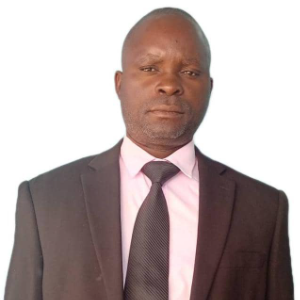
I am a passionate and experienced educator with a strong background in Mathematics and Geography, teaching both primary and secondary levels. I hold a Bachelor’s degree in Public A... Read more
I adopt a student-centered approach, focusing on interactive, inquiry-based learning tailored to individual needs. I integrate visual aids, real-life examples, and technology to si... Read more

Zambian College of Open Learnig
Information and Communications University
Jain University
To enhance student understanding of geography concepts, I use a blend of interactive and student-centered teaching strategies. These include: 1. Visual Learning Tools – I regularly incorporate maps, globes, diagrams, and videos to make abstract concepts more concrete and visually engaging. 2. Project-Based Learning – I assign projects where students investigate local and global geographic issues, such as climate change or resource distribution, which promotes critical thinking and real-world application. 3. Fieldwork and Observation – Where possible, I organize field trips or simulations to help students observe geographical processes or human-environment interactions firsthand. 4. Questioning and Discussion – I use guided inquiry and class discussions to encourage students to think deeply, ask questions, and share diverse perspectives. 5. Integration of Technology – I utilize tools like Google Earth, GIS software, and interactive quizzes to reinforce concepts and create immersive learning experiences. 6. Differentiation – I adapt content and activities to suit different learning styles and abilities, ensuring every student is included and challenged. 7. Use of Case Studies – I bring in real-world examples, both global and local (especially from Zambia and the SADC region), to make lessons relevant and relatable.
Yes, I have experience with both online tutoring and integrating technology into geography instruction to enrich learning outcomes. In my online tutoring practice, I utilize platforms such as Google Meet, Zoom, and learning management systems like Google Classroom to deliver interactive geography lessons. I tailor lessons using digital tools like Google Earth, interactive maps, Kahoot, and virtual field trips, which help students visualize spatial relationships and engage with geographic content in a hands-on way. Additionally, I incorporate YouTube videos, digital atlases, and GIS-based simulations to explain complex topics such as tectonic movements, weather patterns, and population dynamics. These tools not only increase engagement but also support differentiated instruction for learners with various needs. My online sessions are interactive, student-focused, and designed to build both content mastery and digital literacy—skills essential for the modern world
To teach geography effectively, I use a wide range of materials that cater to different learning styles and promote both conceptual understanding and practical application. These include: 1. Textbooks and Curriculum Guides – Aligned with the national syllabus or international standards (such as ICSE or Cambridge), depending on the learners' curriculum. 2. Atlases and Maps – Physical and digital maps help students develop spatial awareness and map-reading skills. 3. Digital Resources – I incorporate interactive tools like Google Earth, GIS platforms, and online simulations to visualize geographic processes. 4. Multimedia Content – Videos, documentaries, and animations are used to simplify complex topics and bring real-world geography into the classroom. 5. Worksheets and Handouts – Custom-designed exercises, summary notes, and revision guides reinforce key concepts. 6. Quizzes and Games – Tools like Kahoot, Quizizz, and geography puzzles enhance learning through fun and competition. 7. Local Case Studies and Current Events – I bring in relevant examples from Zambia and around the world to connect theory with real-life situations. Yes, I do provide these materials to students in both print and digital formats, depending on their needs and mode of instruction (in-person or online). I also guide students on how to use these resources independently for revision and further exploration.
To stay current with emerging geography concepts, teaching techniques, and global developments, I engage in continuous professional learning and networking. My strategies include: 1. Professional Development Courses – I regularly enroll in online training programs, webinars, and workshops on modern geography teaching methods and curriculum updates. 2. Educational Platforms and Journals – I follow reputable sources like National Geographic Education, Geographical Association (UK), and online education journals to access the latest content and teaching strategies. 3. Technology Integration Updates – I keep pace with new digital tools and platforms (such as GIS, virtual field trip apps, and data visualization software) that enhance student learning experiences. 4. Collaboration and Networking – I connect with fellow educators through forums, Facebook teacher groups, and professional networks to exchange ideas and resources. 5. Research and Observation – I follow global trends and news related to climate change, urbanization, geopolitics, and other relevant topics to bring current and relatable examples into my lessons. 6. Curriculum Reviews – I periodically review national and international syllabi to align my content with the most current academic expectations and student needs.
To effectively prepare my students for geography exams and assessments, I use a comprehensive and student-centered approach that focuses on both content mastery and exam skills. My strategies include: 1. Structured Revision Plans – I create well-organized revision schedules that cover all key topics, ensuring content is revisited multiple times before exams. 2. Past Papers and Mock Exams – I regularly use past exam questions, specimen papers, and mock tests to familiarize students with question formats, time management, and exam techniques. 3. Targeted Practice – I analyze student performance to identify weak areas and provide extra support through guided revision, topic-specific drills, and practice exercises. 4. Summarized Notes and Visual Aids – I offer clear, concise notes, mind maps, diagrams, and charts that help students understand and retain complex geographical concepts. 5. Exam Strategy Workshops – I train students in how to interpret questions, plan structured answers, and use geographic terminology effectively to gain maximum marks. 6. Interactive Quizzes and Games – Tools like Kahoot and Quizizz are used for quick revision and reinforcement in a fun, low-pressure format. 7. Individual Support – I provide one-on-one or small group coaching to address specific challenges, boosting both confidence and performance.
Yes, I am very comfortable providing online tutoring and using technology to enhance geography instruction. I have experience delivering engaging virtual lessons using platforms like Zoom, Google Meet, and Microsoft Teams, supported by tools such as Google Classroom for resource sharing and assignment tracking. To enrich learning, I integrate technologies like: Google Earth and GIS tools for spatial analysis Interactive simulations and virtual field trips Educational videos, digital atlases, and animation tools to simplify complex concepts Online quizzes and games (e.g., Kahoot, Quizizz) to assess and reinforce learning in an enjoyable way These tools allow me to make lessons dynamic, student-focused, and accessible. I also ensure students are guided on how to use these resources independently for revision and exploration. Online tutoring not only expands access but also helps me tailor lessons to individual learning styles, promoting better understanding and academic success in geography.
My approach to helping students who struggle with specific geography topics is personalized, supportive, and focused on building both understanding and confidence. I follow these key strategies: 1. Diagnostic Assessment – I begin by identifying the exact areas of difficulty through informal assessments, quizzes, or one-on-one conversations. 2. Simplifying Complex Concepts – I break down difficult topics using real-life examples, visual aids, and analogies that make abstract ideas more relatable and easier to understand. 3. Differentiated Instruction – I adjust my teaching methods to match the student’s learning style—whether they are visual, auditory, or kinesthetic learners. 4. Step-by-Step Guidance – I guide students through topics gradually, reinforcing basic concepts before moving to more advanced material. 5. Interactive Practice – I use engaging tools like videos, map work, games, and interactive quizzes to reinforce learning in a fun, low-pressure environment. 6. Extra Support Sessions – I provide additional tutoring time—either in small groups or one-on-one—to give students more opportunities for practice and feedback. 7. Positive Reinforcement – I celebrate small wins and progress, encouraging a growth mindset so that students feel motivated rather than discouraged. By creating a supportive and responsive learning environment, I help struggling students overcome their challenges and achieve success in geography.




 Educational Qualification
 Questions for You