 Request a Tutor Become a Tutor
Chicago, USA
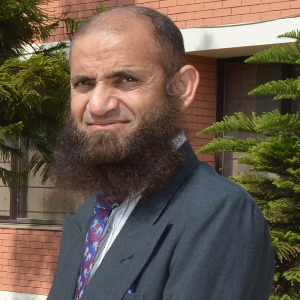
I am an Electrical Engineer with a PhD in Electrical Engineering and over 15 years of academic experience teaching subjects such as electrical engineering, computer engineering, co... Read more
My teaching methodology for online courses in Applied Electronics, Electronic Circuits, Programmable Devices, Microcontrollers, and Electrical Circuits focuses on fostering a pract... Read more

College of Electrical & Mechanical Engineering
College of Electrical & Mechanical Engineering, National University of Sciences & Technology
College of Electrical & Mechanical Engineering, National University of Sciences & Technology
For online electronics lessons, I use a combination of digital tools and resources to enhance learning. I incorporate virtual simulators like Tinkercad, Fritzing, and CircuitLab, allowing students to design and test circuits remotely. I provide detailed circuit diagrams, datasheets, and technical manuals as reference materials. For microcontroller-based lessons, I use platforms like Arduino IDE or online simulators like Proteus for coding and hardware interfacing exercises. I also share video tutorials, interactive presentations, and digital whiteboards (Jamboard, Miro) to explain complex concepts. Regular quizzes, assignments, and project-based tasks are provided to ensure understanding and practical application of the material.
I am proficient in teaching a wide range of electronics topics, including Applied Electronics, Digital Electronics, and Electrical Circuits. In Applied Electronics, I cover practical circuit design, troubleshooting, and real-world applications. For Digital Electronics, I teach logic gates, flip-flops, counters, multiplexers, and binary arithmetic. I also focus on Programmable Devices, guiding students through designing and programming digital circuits. In Microcontrollers, I cover popular platforms like Arduino, PIC, and ARM, focusing on interfacing sensors and actuators. Additionally, I teach Electronic Circuits such as amplifiers, oscillators, filters, and power supplies, emphasizing hands-on project-based learning.
Yes, I provide additional resources and homework to help students reinforce what they've learned in class. After each lesson, I assign practice problems that range in difficulty to solidify their understanding of key concepts. I also share relevant articles, videos, and tutorials for further exploration of topics. For electronics, I provide circuit design challenges, simulation exercises, and project-based assignments that require students to apply their knowledge. Additionally, I encourage students to work on real-world projects, offering guidance as they develop practical skills. Regular feedback and tailored suggestions help them improve and ensure long-term retention of concepts.
When teaching difficult or complex electronics concepts, I break them down into simpler, more manageable steps. I start by explaining the fundamental principles with real-world analogies to make abstract ideas more relatable. Using visual aids like diagrams, animations, and simulations helps clarify complex topics like signal processing, impedance, or circuit behavior. I also encourage hands-on learning through virtual labs or physical experiments to reinforce theoretical concepts. For more challenging areas, I provide step-by-step problem-solving approaches, check for understanding through interactive questions, and offer additional practice or resources. This ensures students feel supported and build confidence in mastering difficult topics.
My approach to exam preparation focuses on building a deep understanding of the material while also developing effective test-taking strategies. I begin by reviewing key concepts and identifying areas of weakness. We practice solving problems under timed conditions to simulate the exam environment, emphasizing efficient problem-solving techniques. I encourage active recall and spaced repetition to strengthen memory retention. Additionally, I teach students how to analyze questions carefully, manage their time during the exam, and approach multiple-choice or open-ended questions strategically. Regular mock exams, feedback, and focused review sessions ensure that students feel confident and prepared for the test.
Yes, I offer group lessons and workshops for electronics tuition. These sessions are structured to foster collaborative learning while covering essential concepts in a structured manner. Each workshop begins with a brief lecture or demonstration on a specific topic, such as circuit design, microcontrollers, or digital electronics. After the introduction, students work in small groups to tackle hands-on projects or solve problems. I facilitate discussions, provide guidance, and address questions during the group work. The session ends with a recap, a Q&A session, and additional resources for self-study. This structure ensures active participation and peer learning while reinforcing key concepts.
I incorporate hands-on practice and experimentation into electronics lessons by guiding students through practical projects that apply theoretical concepts. For topics like circuit design, students use breadboards, components, and simulators like Tinkercad to build and test circuits. In microcontroller lessons, students program and interface sensors or actuators with platforms like Arduino or Raspberry Pi. I also assign real-world problem-solving tasks, such as designing a simple amplifier or sensor-based system, encouraging experimentation. Simulations, such as using Proteus or CircuitLab, allow students to visualize and test their designs virtually. This hands-on approach helps reinforce learning and builds practical skills.


 Educational Qualification
 Questions for You