 Request a Tutor Become a Tutor
Bangkok, Thailand
Having taught English for four years, I am a committed educator. Helping kids in bilingual, international, and elementary school programs enhance their communication abilities is m... Read more
I apply a communicative approach to English tutoring, prioritizing real-world usage and clear pronunciation. I believe in being observant and responsive to each student's unique le... Read more

Sagaing University of Education
University of Magway
Teacher Record
Center for Professional Assessment
A colorful 15-slide lesson for beginners. Includes anim...
"My approach focuses on structured creativity. I guide students through the 'Pre-writing' stage using mind maps to organize their thoughts, followed by drafting where I encourage them to express ideas freely. I use a 'scaffolding' technique, starting with sentence structures and moving toward full paragraphs, ensuring students feel confident at every step."
"I integrate these skills into meaningful contexts rather than isolated drills. For grammar and punctuation, I use 'Live Editing' sessions where we review their own work together. For spelling, I utilize phonetic patterns—especially helpful for younger learners—and interactive games that make memorization fun and engaging."
"I use the 'Active Reading' method. Before reading, we look at titles and images to make predictions. During reading, I teach students to highlight key information and 'cloze' activities to improve context clues. To build comprehension, I ask open-ended questions that require students to connect the text to their own real-life experiences."
"I encourage students to look beyond the surface of a story. We use 'Socratic Questioning' to discuss character motivations and themes. By asking 'Why' and 'How' rather than just 'What,' I help students develop the critical thinking skills necessary to analyze different perspectives and form their own evidence-based arguments."
"I use a Phonics-based approach to ensure students understand the individual sounds (phonemes) that make up words. For example, when teaching the 'air' sound, we practice words like 'chair' and 'stairs' using 'mouth-modeling' where students watch my lip movements. I also utilize audio recordings and 'Listen and Repeat' exercises to help students develop a neutral and clear accent."
"I build confidence by starting with small, 'low-stakes' speaking tasks, such as 'Show and Tell.' I teach students how to structure a presentation with a clear beginning, middle, and end. We focus on non-verbal communication, such as eye contact and posture, and I provide constructive feedback through video-review sessions where students can see their own progress and areas for improvement."
"Yes. I believe in 'Concept Checking.' Instead of just explaining a rule, I use visual aids and real-life examples. For instance, to explain the past tense, I use a timeline. I simplify complex rules by breaking them down into 'formulas' and then immediately applying them to a fun, relevant context—like describing a science experiment or a recent vlog—so the student understands the 'why' behind the rule."
"I use a positive reinforcement strategy and break down complex tasks into smaller, achievable goals to build student confidence. By incorporating their personal interests—such as science experiments or daily vlogs—into the lessons, I make the material relevant and exciting. I also use a 'praise-first' approach, focusing on what they have communicated correctly before gently guiding them toward improvements."
"Yes, I am very familiar with the Thai Basic Education Core Curriculum B.E. 2551 (Revised 2017), as well as common international frameworks like IPE (International Primary English). Having taught in both bilingual and international environments in Thailand, I understand the specific standards for English, Math, and Science required for students to succeed in both Regular and Intensive English Programs (IEP)."
"I focus on time management and exam-taking techniques. We practice with mock test papers and focused drills on high-frequency topics. For assignments, I teach students how to analyze rubric requirements and use 'Scaffolding' to ensure their work meets academic standards. I also emphasize proofreading and editing skills so students can catch their own errors in grammar and punctuation."
"I utilize interactive tools and 'Gamified' learning. For younger students, I use phonics-based games and digital scavenger hunts. For older students, I use 'Inquiry-Based Learning' where I pose real-world problems for them to solve. I keep sessions dynamic by switching activities every 15–20 minutes and frequently using concept-check questions to ensure they are actively participating rather than just listening."
"Yes. I teach students how to identify 'keywords' in questions and manage their time effectively during a test. We focus on elimination strategies for multiple-choice questions and how to structure written responses to score maximum points based on the marking rubric. I am currently preparing for my own TOEIC exam, so I am very familiar with the pressure and specific techniques needed for high-stakes testing."
"Absolutely. I believe independent study is key to mastery. I provide curated digital worksheets, vocabulary lists (like my 'air' phonics list), and links to interactive science simulations for my students to explore between our sessions to reinforce what we've learned."
"I can provide foundational assistance for these exams. I am particularly focused on TOEIC preparation and can help students build the necessary vocabulary and grammar base required for these certifications. We can practice specific sections, such as Reading Comprehension and Listening, using materials that mirror the actual exam format."
"I recommend materials based on the student's current level and interests to ensure they stay engaged. For younger learners, I suggest phonics-heavy storybooks. For older students, I recommend science journals or news articles that match their hobbies, which helps them learn 'real-world' English while improving their literacy skills."
"I teach the standard 'Professional Tone' required for business. We practice writing clear, concise emails—similar to the professional job applications and interview replies I use myself—and role-play common meeting scenarios to build confidence in professional speaking and etiquette."
"I introduce literary devices like metaphors and similes by finding them in popular songs or stories the student already loves. To encourage their own writing, I help them start projects they are passionate about—such as writing scripts for their own YouTube vlogs—so that writing feels like a fun creative outlet rather than just a school task."
Section 1: Academic & Language Foundation Approach to Writing: I guide students from "Pre-writing" mind maps to final drafts. I use a scaffolding technique that moves from basic sentence structures to complex paragraphs, ensuring confidence at every level. Grammar & Spelling: I teach these skills in context through "Live Editing" of the student's own work. For younger learners, I use phonetic patterns and interactive games to make spelling engaging. Reading Comprehension: I utilize the "Active Reading" method, encouraging students to make predictions using titles and images before using context clues to build deeper understanding. Analysis & Critical Thinking: I use "Socratic Questioning" to move beyond the surface of a story. By asking "Why" and "How," I help students develop evidence-based arguments and analyze different perspectives. Section 2: Communication & Engagement Pronunciation: I use a Phonics-based approach (such as practicing the "air" sound with words like chair and stairs) and "mouth-modeling" to help students achieve clear enunciation. Public Speaking: I build confidence through "low-stakes" tasks like Show and Tell. We focus on structure, eye contact, and posture to prepare students for professional presentations. Active Engagement: I switch activities every 15–20 minutes to keep sessions dynamic. I use digital scavenger hunts for younger children and inquiry-based science problems for older students to ensure they stay involved. Section 3: Curriculum & Exams Curriculum Knowledge: I am familiar with the Thai Basic Education Core Curriculum (Revised 2017) and frameworks like IPE (International Primary English). Test Strategies: I teach time management and "keyword" identification. As I am currently preparing for the TOEIC, I can offer practical advice on handling exam pressure and specific test formats. Materials & Guidance: I provide digital worksheets and recommend reading materials based on the student's level, such as science journals for advanced learners or phonics books for beginners.



 Educational Qualification
 Learning Materials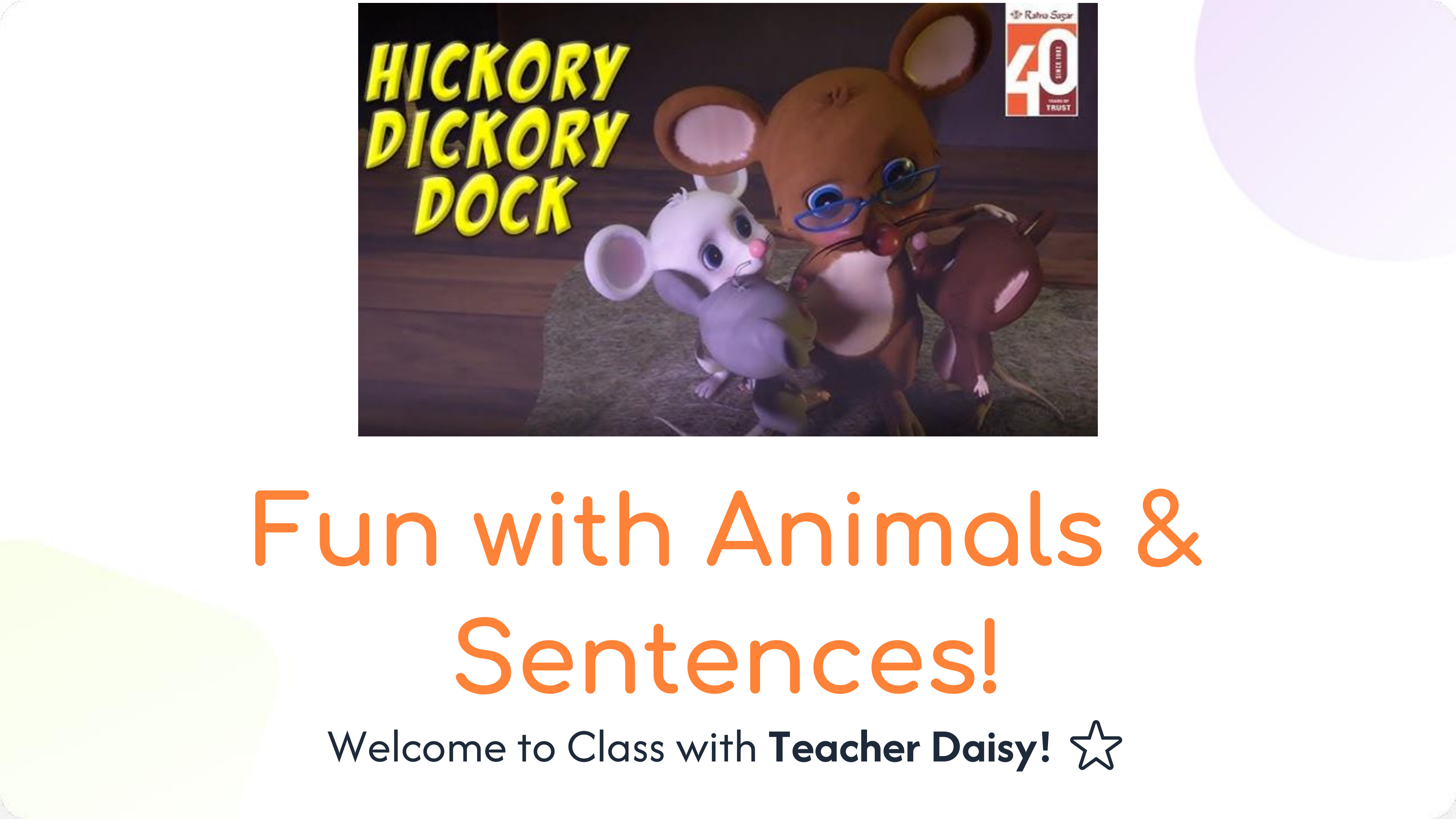


 Questions for You