 Request a Tutor Zostań korepetytorem
Polokwane, Republika Południowej Afryki
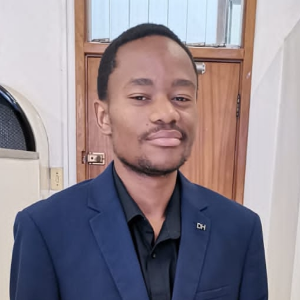
My name is Mosa Mafalo, and I am based in Polokwane. I hold a Master’s degree in Psychology with a focus on Cognitive Neuroscience and Consciousness Studies from the University of ... Przeczytaj więcej
My teaching methodology is conversational, adaptive, and focused on making complex ideas accessible. I use dialogue, analogies, and metaphors to simplify difficult concepts, encour... Przeczytaj więcej

Wits University
Wits University
WIys Univerisity
I usually work with high school and university students. My focus is on helping learners prepare for exams, grasp complex concepts, and develop strong research and analytical skills.
I approach lesson planning by first identifying the learner’s goals and current level. From there, I break down complex topics into clear, manageable steps, using examples, analogies, and practice questions to make the material engaging. I prepare structured notes and exercises but stay flexible, adjusting the plan based on how the student responds during the session.
I measure progress by checking how well students can explain concepts back in their own words, apply them in practice exercises, and improve on assessments over time. I also track consistency in their work and confidence in tackling new problems, adjusting lessons based on these outcomes.
Yes, I provide regular homework and assignments to reinforce learning outside of lessons. When reviewing student work, I give clear, constructive feedback that highlights both strengths and areas for improvement. I also use evaluation‑level (6th level) questions from Bloom’s Taxonomy to push students beyond memorization. These questions require them to critique, compare, and integrate key concepts, testing their ability to understand complex relationships and apply knowledge critically. This ensures feedback isn’t just correction, but a way to deepen their overall mastery.
I’m a classical fan of one‑on‑one, direct teaching because it allows for dynamic adjustment in real time. My own experience of struggling with complex concepts guides me in knowing when a student might need better examples, analogies, or textbook references. I also draw on resources like YouTube videos, simulations, or even thought experiments to make abstract ideas more concrete. These tools form part of my arsenal, but the heart of my approach is adapting to the learner’s needs in the moment and ensuring understanding is built step by step.
Yes, I provide additional support outside of scheduled lessons when needed. As long as it doesn’t go against the rules of the tutoring platform or require extensive research that would amount to a full lesson on its own, I’m happy to answer questions via email or phone. This way, students get timely guidance without it becoming overwhelming or unsustainable.
I motivate struggling or disengaged students by first acknowledging their challenges and showing empathy, letting them know I’ve faced similar struggles myself. I then break concepts into smaller, manageable steps and use analogies, thought experiments, or real‑world examples to make the material more relatable. I also set achievable goals to build confidence and celebrate small wins along the way. When needed, I introduce alternative resources like videos, simulations, or interactive exercises to spark curiosity. Above all, I keep lessons dynamic and adaptive, so students feel supported and engaged rather than overwhelmed.
I don’t have direct hands‑on experience teaching students with learning differences or special needs, but given my background in psychology I do understand in theory what they often struggle with and the kinds of approaches that can help. That knowledge guides me in adapting lessons, whether it’s breaking material into smaller steps, using analogies, or introducing alternative resources like simulations or thought experiments. While I’m not a specialist, I can draw on this theoretical foundation to be patient, flexible, and responsive to each learner’s needs.


 Kwalifikacje edukacyjne
 Pytania do Ciebie