
x
![]()

In terms of practicality, learning Vietnamese might not seem a good option because it doesn’t provide access to a larger part of the globe. Not to mention, the career opportunities it offers are quite limited and it looks difficult to learn too. ...
In terms of practicality, learning Vietnamese might not seem a good option because it doesn’t provide access to a larger part of the globe. Not to mention, the career opportunities it offers are quite limited and it looks difficult to learn too.
Even Vietnamese locals would tell you, ‘Tiếng Việt khó!’ meaning ‘Vietnamese is hard.’ So, after getting all those discouragements, why learn Vietnamese? Before answering that question, it’s important to understand what it is.
Vietnamese, also known as Mon Khmer, is a part of the Austroasiatic language family. Like Mandarin and Thai, it’s considered a tonal language, meaning the definition of a word may differ based on how it’s pronounced. Moreover, it’s the official language of Vietnam, Cambodia, and Laos. Today, there are approximately 80 million native Vietnamese speakers and five million immigrants across the world.
Learning Vietnamese is an excellent choice—it’s fun and rewarding. With that said, here are the reasons why you should consider learning Vietnamese:
Here are some reasons why Vietnamese is easier to learn than you think:
However, learning Vietnamese has challenges as well. It has plenty of vowel sounds, tones, classifiers, and pronouns to master, making it tricky. Yet, despite such difficulties, it’s not hard to pick up, especially if you have a goal and purpose.
If you want to learn Vietnamese, consider enrolling in Vietnamese language education schools. Language schools offer courses that enable you to learn and master the language you want to learn in a short period of time.
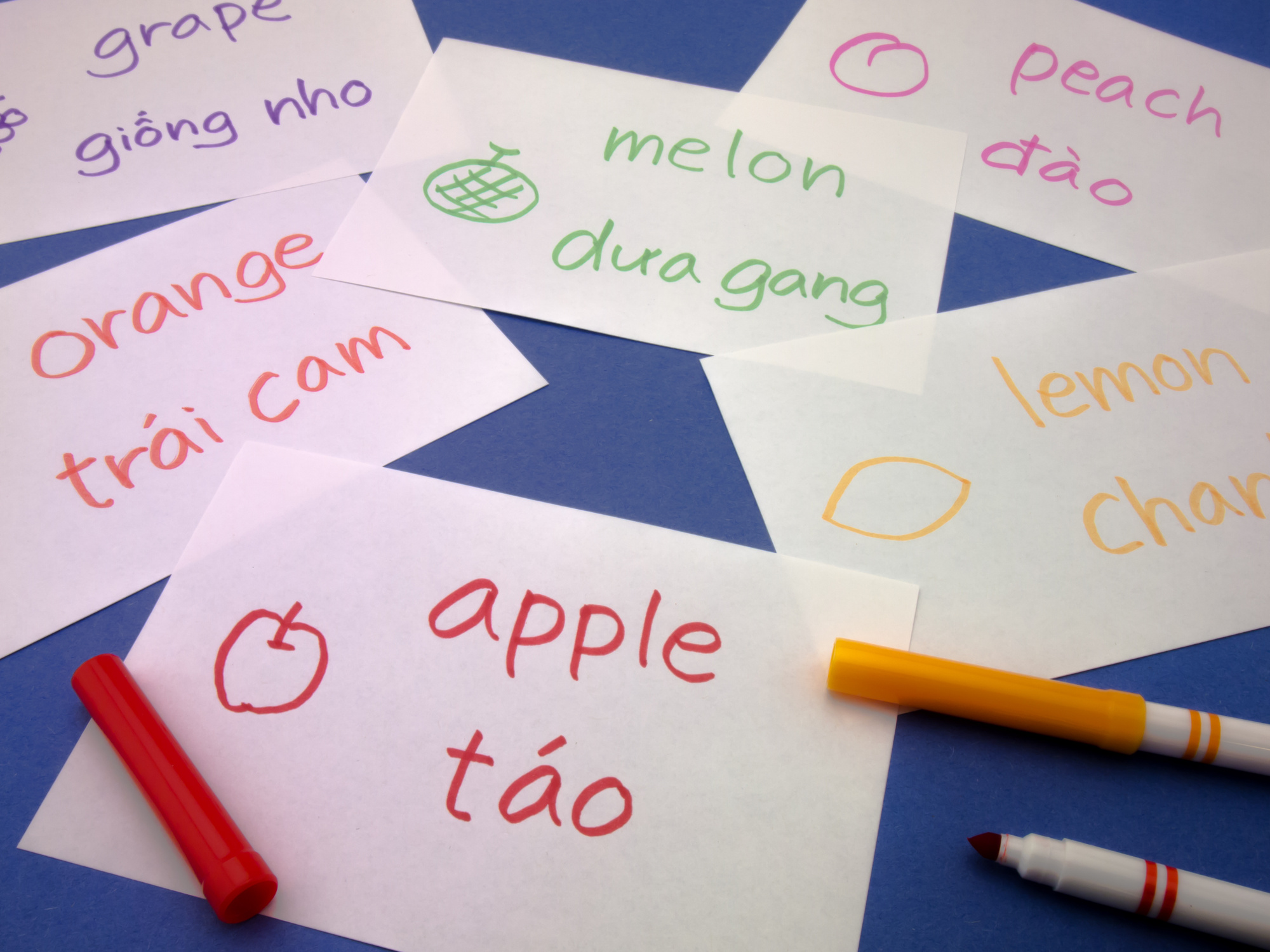
Learning a new language isn’t just about grammar rules, alphabet, and vocabulary. It’s also about exploring tradition, culture, and history. The history and culture of Vietnam can be seen in its language, which covers its dialects, slang, idioms, phrases, and vocabulary. To help you understand the evolution and history of its language, you need to be immersed in its culture and tradition.
As a language student, this means you have to be in touch with the culture of Vietnam. Knowing the Vietnamese culture and language can help enhance your experiences. This enables you to interact with new people, build relationships, and explore new things.
The Vietnamese language can also help you learn and understand other related languages (e.g., Mandarin). This makes it a great way to explore other cultures, traditions, and history.
You should consider visiting Vietnam if you want to master its mother tongue. It offers plenty of interesting sights for you to experience. Vietnam offers destinations and experiences like no other place in the world, which you can find in places like Ho Chi Minh, Hanoi (Vietnam’s capital city), Hue, and Saigon (the namesake of the popular Broadway musical Miss Saigon).
Elephant rides are also everywhere, and nothing provokes elegance within you like the Forbidden Purple City in Hue. In Vietnam, there’s always something for everyone, from breathtaking landscapes and mesmerizing long coasts to mouthwatering dishes.
On top of that, Vietnam is one of the world’s most affordable countries to visit. Even with a limited budget, you’ll be able to relax and enjoy to your heart’s content in this great nation.
Learning Vietnamese is a lot easier if you visit Vietnam. That’s because locals know how to speak English and Vietnamese at the same time. So, you’ll never get lost during your travels.

In Vietnam, students as young as nine are required to learn English. This is one of the reasons why the country is in need of fluent English teachers. And they’ll be more than happy if they’re native speakers for great insights.
But why should you consider being an English teacher in Vietnam? First, Vietnam offers a hard-to-beat salary for certified TEFL (Teaching English as a Foreign Language) teachers. And second, it has a low cost of living, helping you save a lot for your future.
Of course, teaching English in Vietnam would be better if you knew their mother tongue. In fact, they’re looking for native English speakers who want to learn Vietnamese to boost their education system.
If you’re interested in teaching English in Vietnam, consider these three traditional teaching routes that certified TEFL teachers often take:
Learning Vietnamese is a great way to earn money and experience other traditions and cultures at the same time. What a rewarding and fulfilling career!
If you plan to travel to Vietnam, you’ll realize the importance of language in everyday living. This is especially true when it comes to basic human interaction with the locals.
Learning the Vietnamese language can help you move around from one attraction to another a lot easier. Also, it prevents you from being scammed or getting lost around the area and enables you to ask for help easier. Furthermore, learning Vietnamese can help you order the food you want to try and make great buys from bargaining.
Vietnamese is a great language to explore and a lot easier than you think. It doesn’t have the concept of plurals, articles, and genders, which makes English quite complicated. Also, it enables you to understand Vietnam’s rich history, culture, and traditions.
Aside from that, learning Vietnamese also offers great opportunities as an English teacher, which provides a hard-to-beat salary package. And it lets you have authentic travel experiences by talking to locals like you’re one of their own.
If you’re interested in learning Vietnamese, call a language school that offers Vietnamese courses after reading this post.


MyPrivateTutor is an online community of school teachers and private tutors who come together to share their work, knowledge and rich experience with students to help them prepare well and excel in their exams. We help connect students to tutors in their locality. Students search for tutors and tutors pay a lead generation fee to contact the students and start taking lessons either in-person or online. We have been operating since 2002 and operate in Canada, US, UK, India, and many other countries.

Tell us your learning requirements in detail and get immediate responses from qualified tutors and institutes near you.
Post Learning Requirement


