 Request a Tutor Become a Tutor
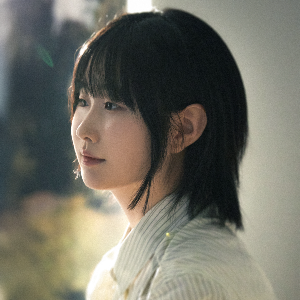
Incheon, South Korea
Hello! I'm a native Korean tutor based in Incheon, South Korea. I teach conversational Korean, practical grammar, and everyday expressions to students of all levels. Having worked ... Read more
My teaching style is highly personalized and based on each student’s interests and goals. Before each lesson, I identify what the student enjoys and naturally build the class aroun... Read more

Hongik university
I mainly use customized PPT slides designed according to each student’s level. The materials are structured to support step-by-step learning, covering essential vocabulary, grammar, and practical expressions in a clear and organized way. In addition, I adapt lesson materials based on each student’s interests. For example, I may use song lyrics, drama dialogues, or real-life content to make the lesson more engaging and relevant, so students can learn Korean in a more natural and enjoyable context.
Yes, I have experience teaching students across a wide range of ages and proficiency levels, from young children to teenagers and adults. I have taught not only Korean, but also English and art, which has given me strong experience in adapting my teaching style to different learning needs and goals. Because of this background, I am comfortable working with beginners as well as more advanced learners. I always adjust my explanations, pace, and materials to match each student’s level, ensuring that lessons are both accessible and challenging enough to support steady progress.
I help students improve their listening comprehension by gradually exposing them to natural Korean in a structured and manageable way. I start with level-appropriate audio materials and ensure students fully understand key vocabulary and expressions before moving on to more complex content. I also use techniques such as slow repetition, shadowing, and guided listening exercises where students actively identify key information from conversations. In addition, I incorporate real-life materials like drama clips, short dialogues, and everyday situations so students can become familiar with natural speed, pronunciation, and intonation in context.
I help students improve their speaking skills by focusing on consistent, low-pressure speaking practice in every lesson. I encourage students to speak as much as possible, even with simple sentences at the beginning, so they can build confidence step by step. To make this effective, I use guided conversation, role-playing real-life situations, and personalized topics based on each student’s interests. I also correct mistakes in a supportive way by rephrasing and modeling natural expressions rather than interrupting fluency, so students can gradually develop more natural and accurate Korean speaking skills.
I help students improve their writing skills by starting with clear, structured writing practice that matches their level. At the beginning, I focus on basic sentence construction, essential grammar patterns, and commonly used expressions to help students build a strong foundation. As students progress, I gradually introduce more complex writing tasks such as short paragraphs, daily journals, and topic-based writing. I provide detailed but easy-to-understand feedback, correcting grammar and word choice while also suggesting more natural expressions. This helps students develop not only accuracy but also the ability to write more naturally in real-life contexts.
I help students improve their reading comprehension by selecting materials that match their current level and gradually increasing difficulty as they progress. At the beginning, I focus on short, simple texts with key vocabulary support to ensure students fully understand the meaning and structure. As students become more confident, I introduce longer and more complex texts such as articles, dialogues, and real-life content. During reading practice, I guide students to identify main ideas, infer meaning from context, and understand new vocabulary naturally. I also discuss the content with students afterward to reinforce comprehension and encourage active thinking in Korean.
I integrate cultural education into language lessons by embedding cultural context directly into the learning materials. Instead of treating culture as a separate topic, I naturally include it through the language students are already studying. For example, I use Korean dramas, music, daily conversations, and real-life situations to introduce cultural norms, expressions, and social context. I also explain how language changes depending on formality, relationships, and setting, so students can understand not just what to say, but when and how to say it appropriately in real Korean culture.
I teach grammar in a practical and context-based way rather than focusing on memorization. My goal is to help students understand how grammar is actually used in real communication, so I introduce each grammar point through clear examples and everyday situations. After explaining the meaning and structure, I guide students to practice it immediately through speaking and writing activities. I also recycle previously learned grammar in new contexts so students can naturally retain and apply what they’ve learned over time. This approach helps students use grammar confidently and naturally, not just recognize it in theory.
Yes, I can provide homework assignments depending on the student’s preference and learning goals. However, I believe homework should be meaningful and engaging rather than repetitive or boring. When assigned, I design tasks that connect Korean to real-life use, such as short journaling, describing daily routines, responding to simple prompts, or engaging with media like songs or drama clips. These assignments are intended to reinforce what was learned in class while keeping students motivated and helping them naturally apply Korean in their everyday life.
I personalize my lessons by first understanding each student’s goals, interests, and current level. I usually spend time identifying what motivates the student and what situations they want to use Korean in, such as travel, daily conversation, study, or work. Based on this, I adapt every part of the lesson, including topics, materials, vocabulary, and practice activities. For example, I may use music, drama, or daily-life scenarios that match the student’s interests to make learning more engaging and relevant. I also continuously adjust the pace and difficulty depending on the student’s progress, ensuring that each lesson remains both challenging and achievable.


 Educational Qualification
 Questions for You