 Request a Tutor Werde Tutor
Bangkok, Thailand
I have taught Chemistry in high school, including IBDP and IGCSE syllabi. Many students consider Chemistry a challenging subject due to the abstract nature of many concepts. To aid... Mehr lesen
Before the class, I may send a pre-class worksheet to gauge the students' level and provide material for discussion during class. The students are welcome to ask any other question... Mehr lesen

University of Wollongong
This engaging presentation uses selected clips from Apo...
An engaging and interactive quiz designed for Year 9–...
Real-world case of the Beirut explosion to review key c...
This Ppt tests students' knowledge of the ion identific...
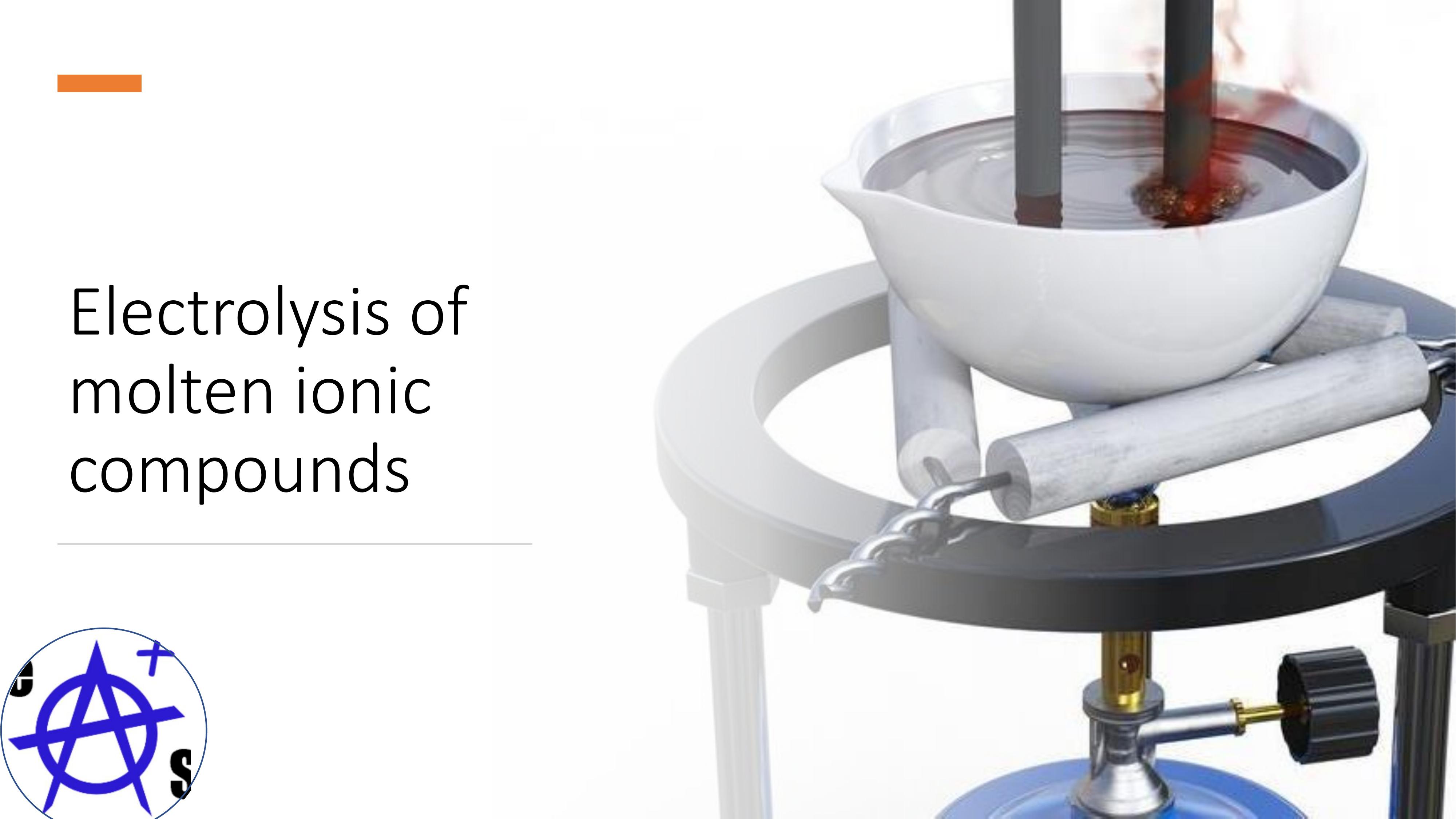
These Ppt slides outline the electrolysis of molten lea...
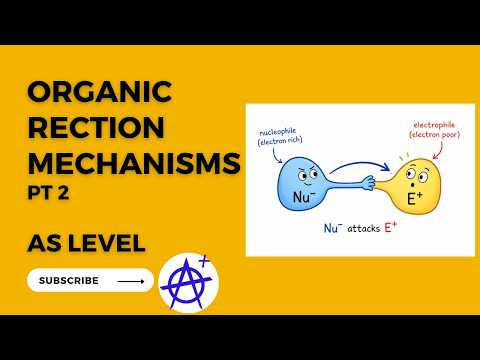
Practice AS Level Chemistry organic reaction mechanisms...
Practice AS Level Chemistry organic reaction mechanisms...
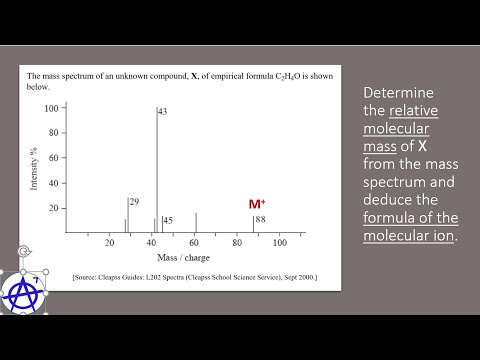
I will go through a question from an IB past paper on i...
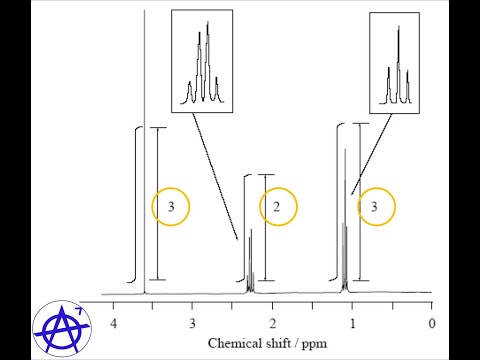
This video shows how to identify an unknown organic com...
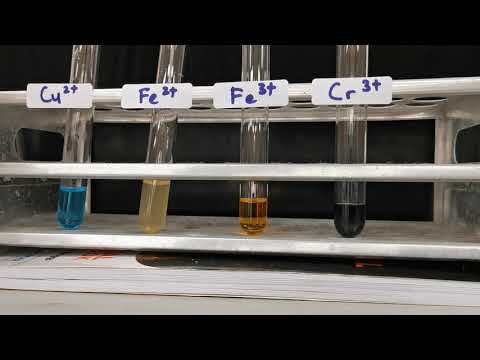
Tests for Cations: aluminium, ammonium, calcium, chromi...
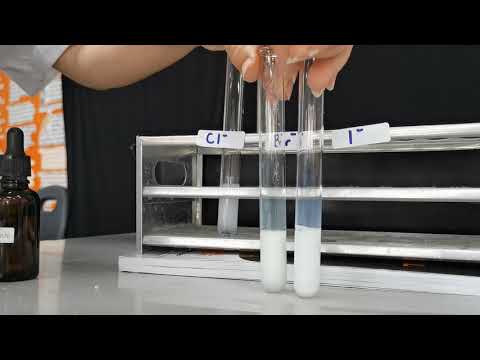
Tests for anions: halides, nitrates, sulfates, carbonat...
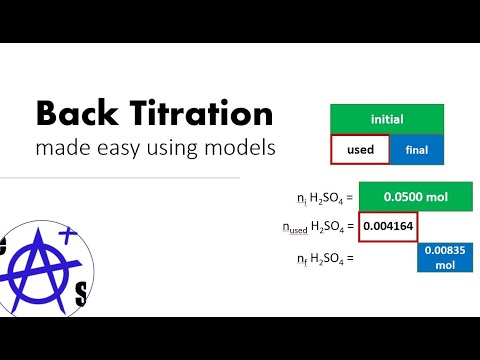
This illustrated video explains back titration calculat...
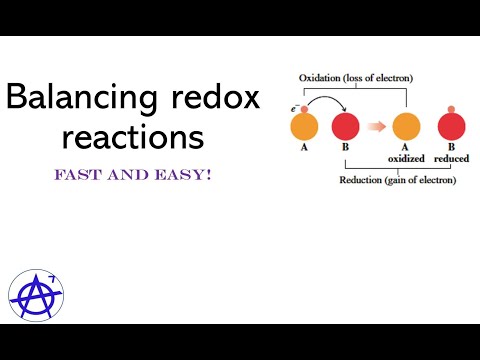
In this video, I will show you how to balance redox rea...
Redox titration calculations are often perceived as cha...
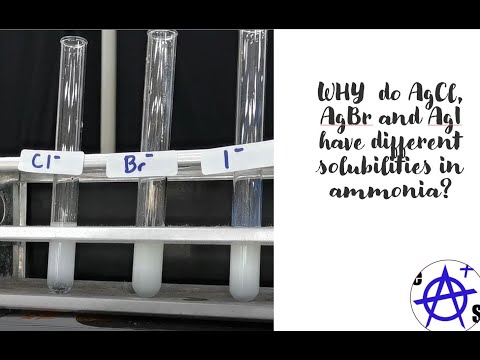
The difference in the solubility of silver chloride, si...
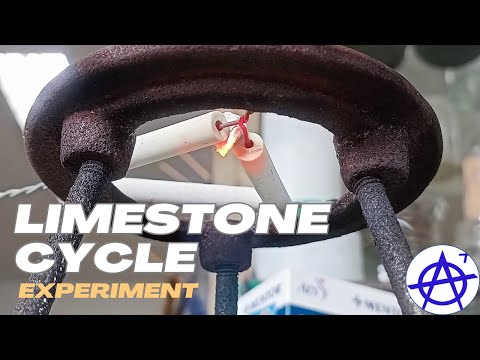
Witness the fascinating transformation of limestone thr...
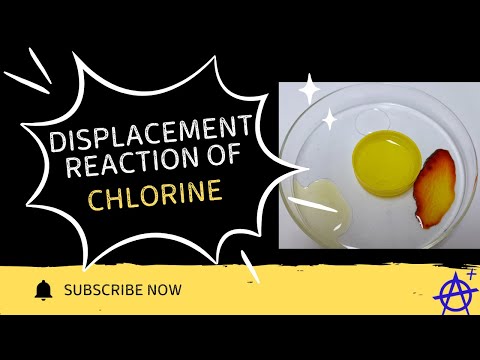
Chlorine gas reacts with KI and KBr. See the dramatic c...
In this video, I explain the principle of electrolysis ...
In this video, I explore a few examples of the electrol...
In this video, we will go over a quite complex Stoichio...
This mini redox and electrolysis review turns out to be...
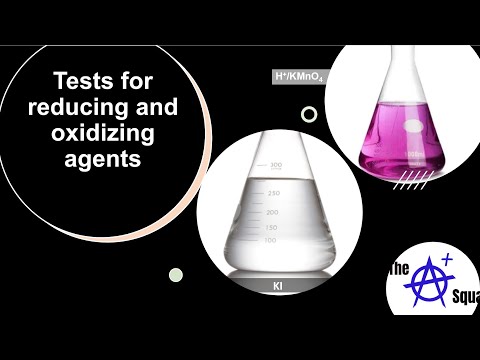
In this video I am showing you the chemical tests to id...
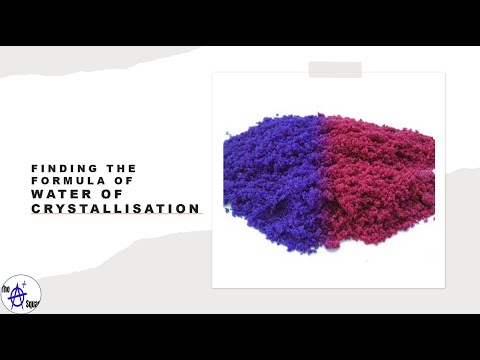
In this video, I outline the detailed steps of how to f...
This video teaches you how to solve any kinds of questi...
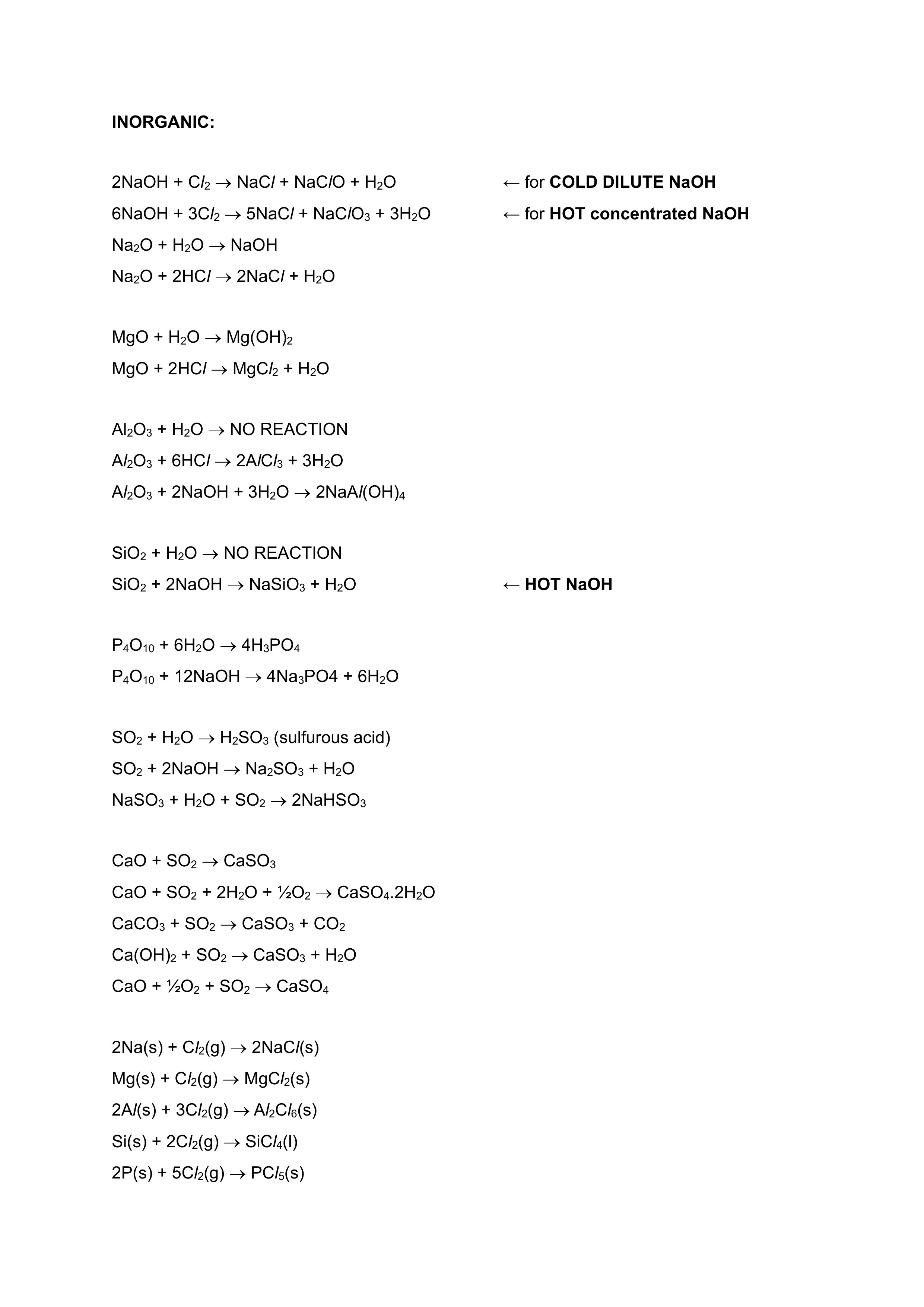
These comprehensive notes compile all the key chemical ...
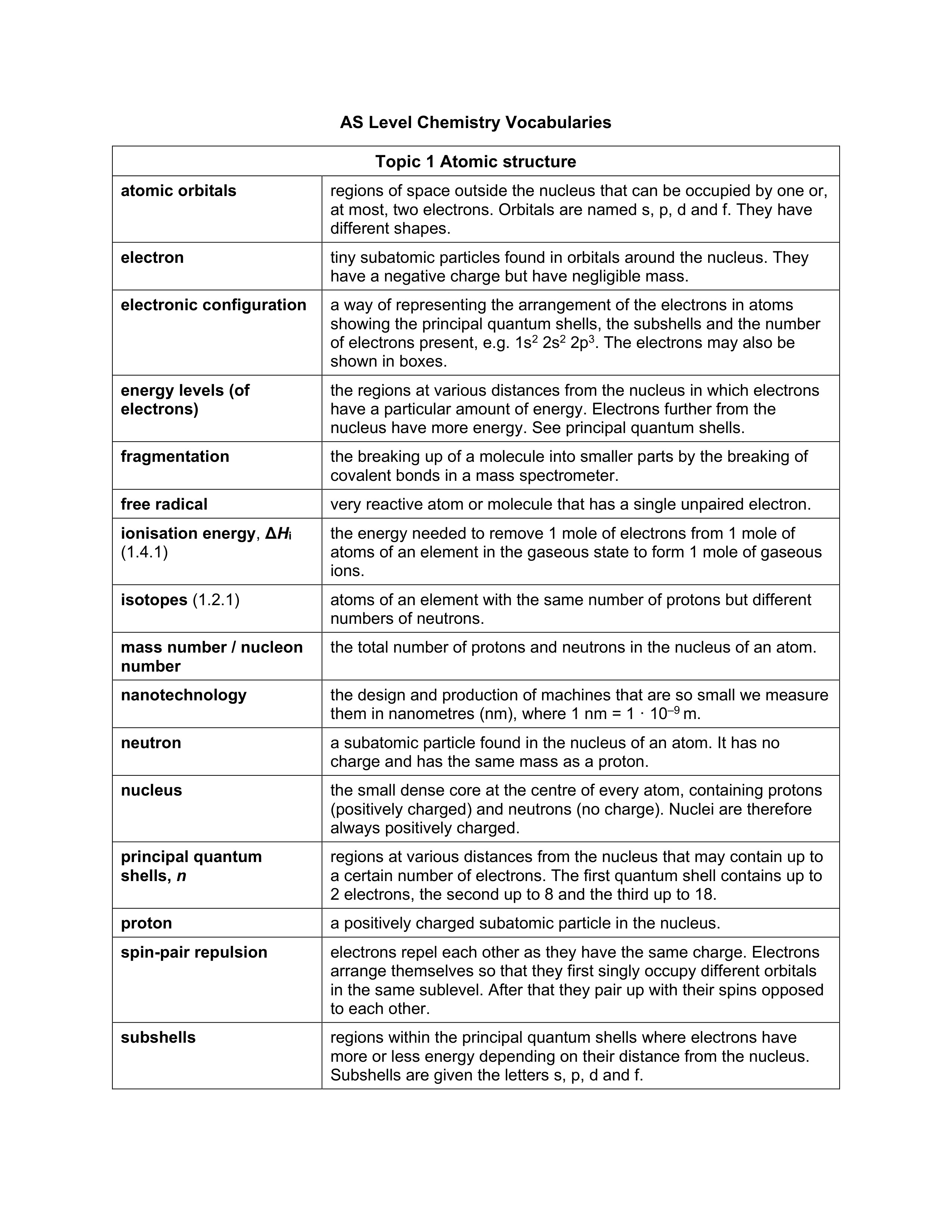
This comprehensive vocabulary file is organised by topi...
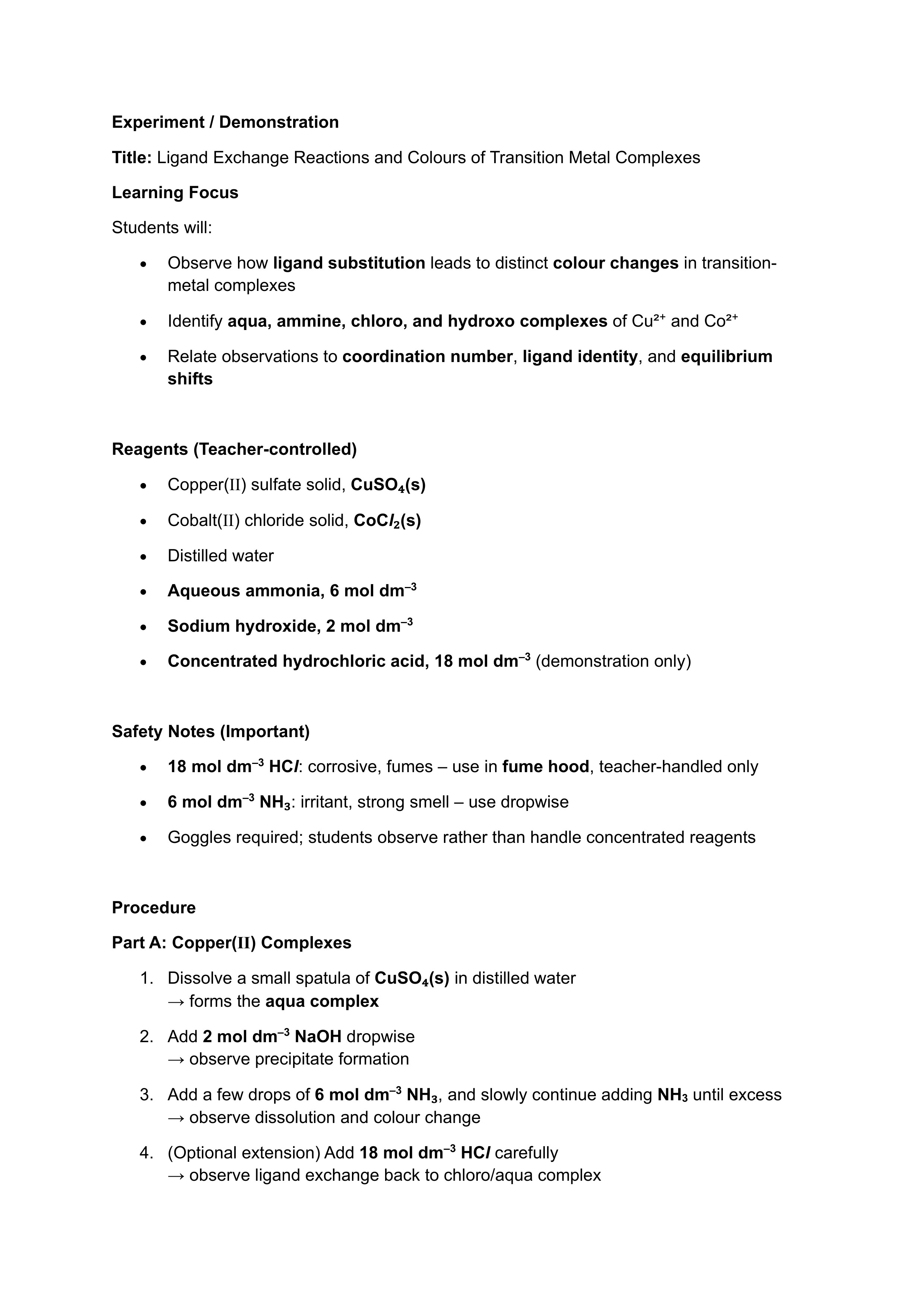
These detailed notes explore the chemistry of cobalt(II...
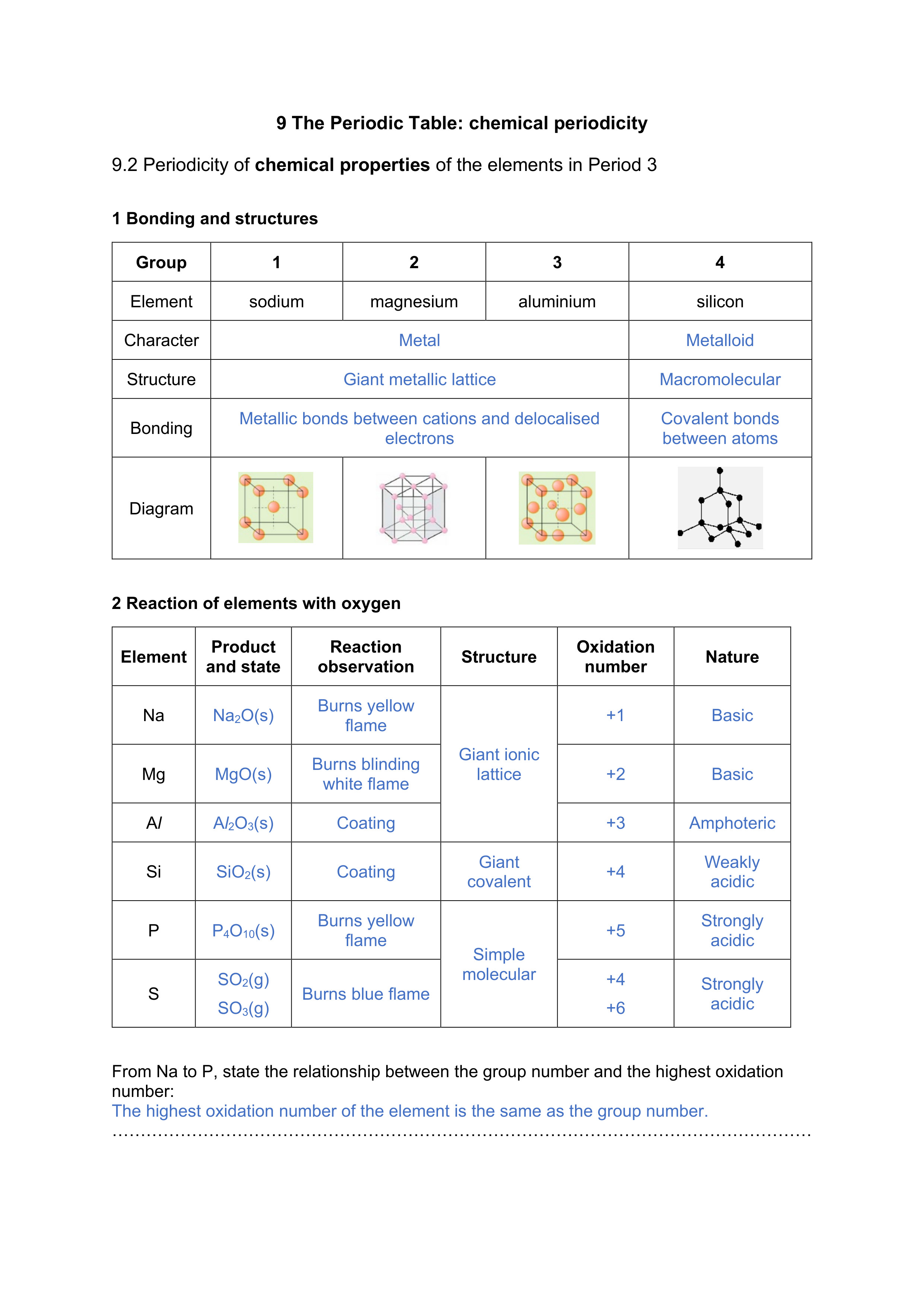
These structured notes explore key periodic trends acro...
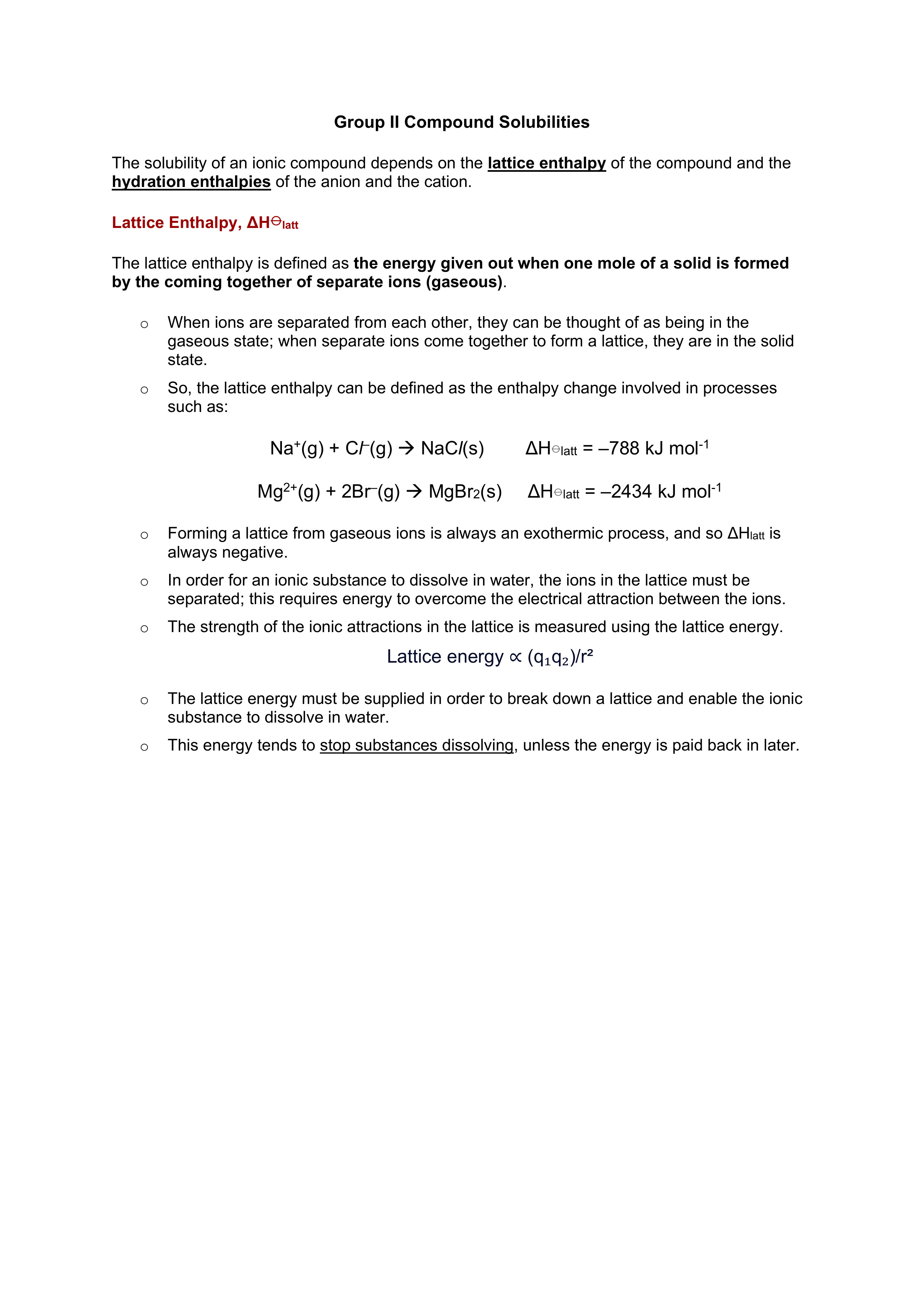
These concise notes cover the solubility trends of Grou...
I specialize in teaching IGCSE, O Level, AP, and IB Chemistry for students in Years 9–13. I hold both a BSc and an MSc in Chemistry and have extensive experience teaching these curricula.
I use a wide range of resources, including concise summary notes, topical past-paper questions, full past papers with mark schemes, e-books (coursebook, workbook, study guide), and curated videos, including my own YouTube content. I also use OneNote during lessons to write, draw, and annotate PDFs in real time to support visual learning.
I support students who struggle with Chemistry by breaking complex concepts into clear, manageable steps. I use visual aids such as diagrams, images, and videos to make abstract ideas more concrete, and I introduce new topics using analogies to help students see the “big picture” before focusing on details. For each new concept, I model worked examples and guide students through exam-style questions step by step. During lessons, students complete guided practice with immediate feedback to build confidence. I then assign targeted practice questions for independent work outside class, which we review and discuss in the following session to address misconceptions. In addition, I regularly check for understanding through questioning, encourage students to explain their thinking in their own words, and adapt my pace and explanations based on individual learning needs. My goal is to help students build both conceptual understanding and problem-solving confidence over time.
Yes, I have extensive experience with laboratory experiments. During my undergraduate studies and especially my postgraduate research, I worked intensively in laboratories using a range of analytical instruments as part of my research work. After graduating, I worked as a Research and Development technician in a pharmaceutical company laboratory, where I applied my academic training in an industry setting. As a teacher, I incorporate laboratory work within my professional capacity by conducting numerous practical experiments aligned with the IGCSE and AS/A Level syllabi. I use practicals to reinforce theoretical concepts, develop students’ experimental skills, and strengthen their understanding of data analysis and safety procedures. When hands-on lab work is not possible, I also use experiment videos that I have recorded to demonstrate techniques, procedures, and underlying concepts clearly.
My approach to teaching organic chemistry focuses on helping students understand the logic behind reactions rather than relying on memorization. I use clear analogies and step-by-step explanations to introduce new concepts, giving students a strong conceptual framework before moving into details. I rely heavily on drawing and modeling to show molecular structures, reaction mechanisms, and electron movement. By visualizing molecules and mechanisms, students can see how and why reactions occur. I also explain differences in reactivity using fundamental ideas such as bond strength, bond polarity, and electron density, helping students understand why certain bonds break or form more readily than others. To make organic chemistry engaging and accessible, I connect reactions across topics, highlight common patterns, and emphasize structure–property relationships. I guide students through worked examples and reaction pathways, followed by scaffolded practice and exam-style questions to build confidence. Throughout lessons, I encourage students to predict outcomes and explain their reasoning, which promotes active learning and deeper understanding.
I support students preparing for chemistry competitions, college applications, and other academic opportunities by combining strong content training with strategic guidance. I have been in charge of science competitions for several years at my current workplace and have access to a wide range of science Olympiad past papers, which I use to train students in advanced problem-solving, logical reasoning, and time management. For competition preparation, I expose students to higher-order and unfamiliar question types, guide them through systematic problem-solving approaches, and help them recognize patterns across topics. I also focus on developing mathematical fluency, clear scientific reasoning, and resilience when tackling challenging problems. In terms of college preparation, having completed a science degree myself, I guide students on what to expect at university, including academic workload, laboratory expectations, independent learning, and study habits needed for success in science-related courses. I help students build strong foundations, recommend enrichment topics beyond the syllabus, and advise on how to present their academic interests and experiences effectively in applications.




 Bildungsabschluss
 Lernmaterialien



 Fragen an Sie