 Request a Tutor Werde Tutor
Bangkok, Thailand
Bitte schauen Sie sich mein Video an, um mehr über mich und meinen Unterrichtsansatz zu erfahren.

Facebook Page: EasyEnglish4All
https://www.facebook.com/TutorNick1989/
GENERAL➡CONVERSATIONAL➡BUSINESS ENGLISH
☆☆☆ WELCOME TO MY PROFILE! ☆☆☆
⚡I will encourage you to speak the ... Mehr lesen
I focus on communicative teaching, in other words, using the language through speaking practice and exercises to obtain fluency, expand vocabulary, and improve pronunciation.
☆☆☆ ... Mehr lesen

University of Science and Technology
Teaching English as a Foreign Language
TESOL
If you're looking to take a TOEIC listening practice te...
If you're looking to take a TOEIC reading practice test...
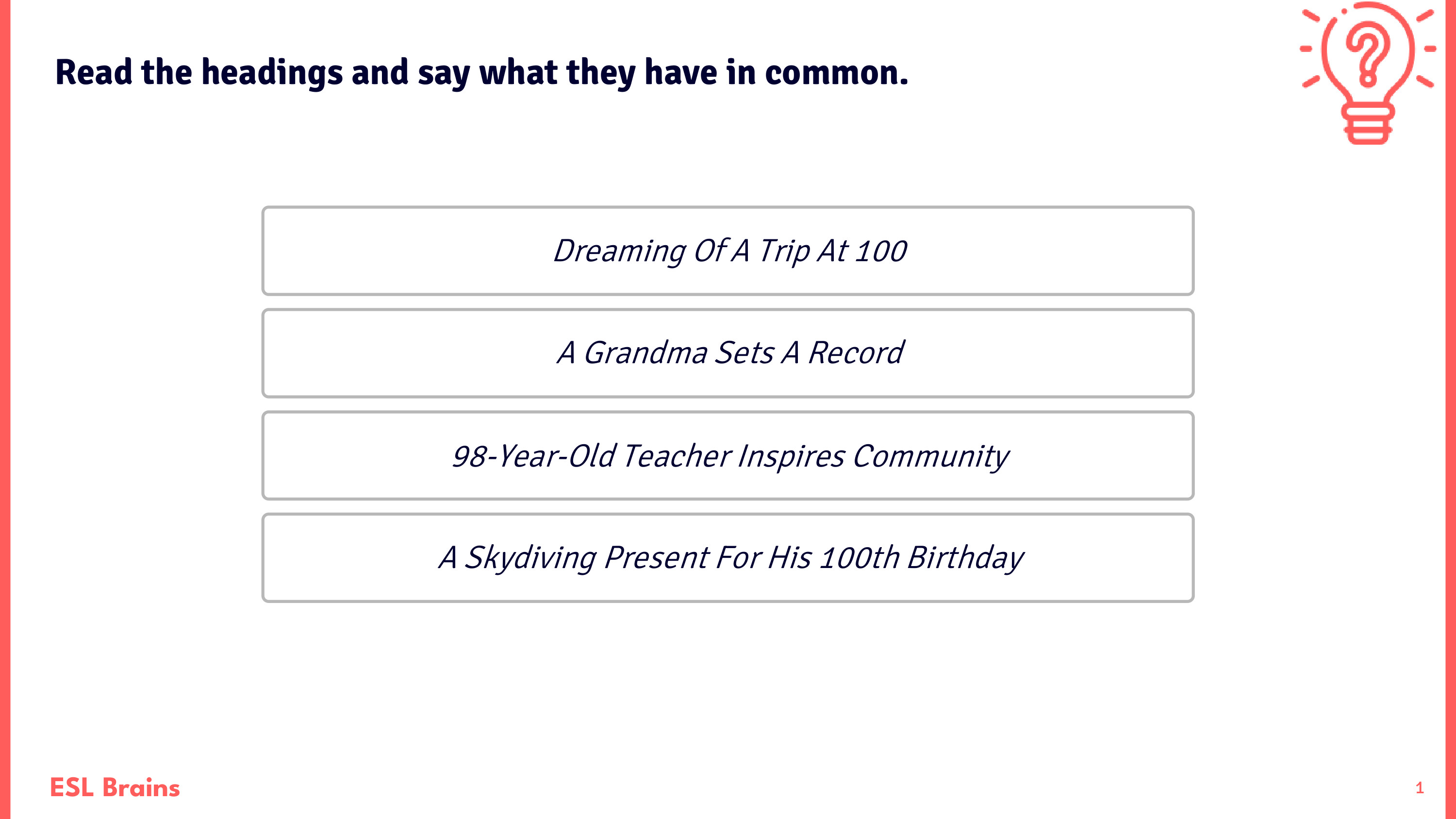
In this lesson, students learn the differences between ...
In this speaking class, students answer some conversati...
This plan deals with mixed conditionals and is prepared...
This lesson plan about overwork is based on an article ...
In this lesson, students learn five pairs of verb synon...
In this lesson, students discuss biometric technology, ...
In this lesson for conversation classes, students talk ...
In this lesson about supply chain management, students ...
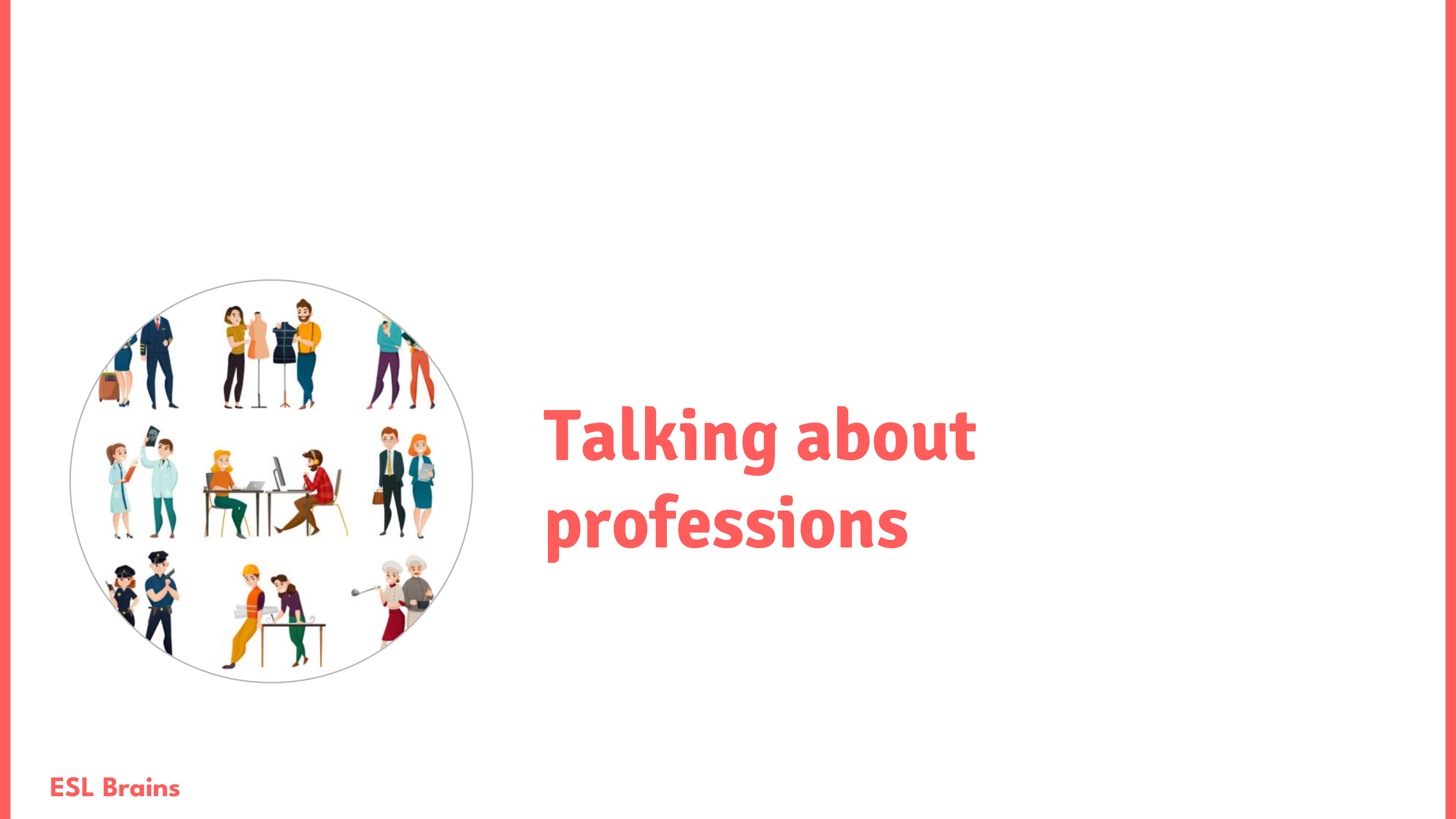
1. Introducing Your Job 2. Describing Your Company 3....
✅ Lessons tailored to your needs and preferences ✅...
✅ Lessons tailored to your needs and preferences ?...
✅ Speaking, reading, writing, and listening skills ?...
✅ Fun, interactive lessons with songs and games ✅...
I teach writing by breaking down complex skills into manageable parts. We work on sentence structure, vocabulary, paragraphing, and overall organization. I use a variety of activities, including modeling, practice exercises, and peer review, to help students develop these skills and build confidence
I carefully review student work, identifying patterns of errors. Then, I provide specific, constructive feedback, focusing on the areas where students need the most support. This feedback can be written, oral, or a combination of both. For example, if I notice a student consistently misspells "their," "there," and "they're," I would provide focused instruction and practice on those specific words.
My approach to teaching reading focuses on a balanced literacy framework, integrating phonics, fluency, vocabulary, and comprehension. I utilize diverse texts and strategies, such as explicit instruction, guided reading, and independent practice, to cater to different learning styles. To improve comprehension, I teach students how to activate prior knowledge, make predictions, ask questions, summarize, and visualize.
I give students the freedom to choose the texts they want to analyze, allowing them to take ownership of their learning and explore areas of interest.
I help students with pronunciation by having them listen to native speakers and then imitate the sounds and intonation. We work together to practice words and phrases, starting with simple ones and gradually moving to more complex ones. I encourage students to speak slowly and clearly, and to enunciate each sound carefully. We practice simple sentences and phrases slowly, and then gradually increase the speed.
I help my students become better speakers in a few ways. First, we practice a lot. We do short, informal talks in class, like sharing a favorite book or describing a picture. This gets them used to speaking in front of others. Second, I give them feedback. I point out what they did well – like good eye contact or clear pronunciation. Then, I offer suggestions for improvement, like speaking a little slower or using hand gestures to help tell the story. Third, we work on organizing their ideas. I teach them how to create a simple outline, so they know what they want to say and in what order. This helps them feel more confident and less nervous. Finally, I try to create a supportive environment. I remind them that everyone makes mistakes, and it's okay to be nervous. The most important thing is to try, and to keep practicing.
I avoid using overly complex terminology unless it's absolutely necessary and then I define it clearly. I focus on practical application rather than memorization of linguistic labels.
I emphasize students' strengths and celebrate their successes, no matter how small. This helps build their confidence and motivation.
Yes, I am.
I aim to help my students ace their English exams and assignments by using a well-rounded strategy. This means we regularly practice important skills like reading comprehension, grammar, vocabulary, and writing. We also dive into the specific texts and topics from the curriculum, teach them test-taking strategies like managing their time, understanding different question types, and tackling various writing prompts. Plus, I give them constructive feedback on their work and support them through revisions. I really encourage a growth mindset to help them feel ready and less anxious.
kick things off by building a connection with the student and assessing their current knowledge and any difficulties they might be experiencing. This creates a welcoming atmosphere for learning. Rather than just lecturing, I ask questions that prompt the student to think critically and articulate their reasoning. For instance, I might ask, "What do you think is the key point here, and why?" or "Can you walk me through how you got that answer?" I also try to relate concepts to real-world situations that interest the student, making the material stick better. Plus, I motivate them to take charge of their learning by setting personal goals, selecting topics they want to dive into, and reflecting on their progress.
Yes, I can.
Yes, I am.
Yes, I am.
Yes, I can.
To improve business English skills, I focus on practical application. For email writing, we analyze real-world examples, focusing on clarity, tone, and common business phrases. Students practice writing different types of emails (inquiries, requests, complaints) and receive feedback. For meetings, we role-play scenarios, practice using appropriate language for opening, closing, and contributing. We also work on pronunciation and listening comprehension using business-related audio and video.
As an English teacher, I think literary devices are essential for good communication in literature. To help my students grasp and use these tools, I mix things up with different strategies. I use real-world examples from texts to show how they work, lead close reading sessions where we dig into texts to spot and discuss devices like metaphor, simile, alliteration, and imagery, and I also set up peer review sessions where students can share their writing and give each other helpful feedback on their use of literary devices.
I believe fostering a love for writing starts with student choice. I try to incorporate opportunities for free writing, where students can explore topics that genuinely interest them. I also offer various writing prompts that relate to their lives or popular culture, like writing about their favorite book character or creating a story based on a song lyric. We also focus on celebrating the writing process, not just the final product, by providing constructive feedback, encouraging peer editing, and showcasing student work. Ultimately, I want to create a classroom environment where students feel safe taking risks and expressing themselves through writing.




 Bildungsabschluss
 Lernmaterialien




 Fragen an Sie