 Request a Tutor Werde Tutor
Hong Kong Island, Hongkong
Based on Hong Kong Island, I hold a Bachelor of Arts in English Literature from Columbia College, Columbia University, and five TEFL qualification certificates. Currently working i... Mehr lesen
The key to my success in teaching Hong Kong-based students how to improve their skills in English writing and self-expression is to organize small, highly interactive online classe... Mehr lesen

Columbia University
Some visitors enjoy feeding monkeys in Kam Shan Country...
Alice is a sensible, seven year old girl from a wealth...
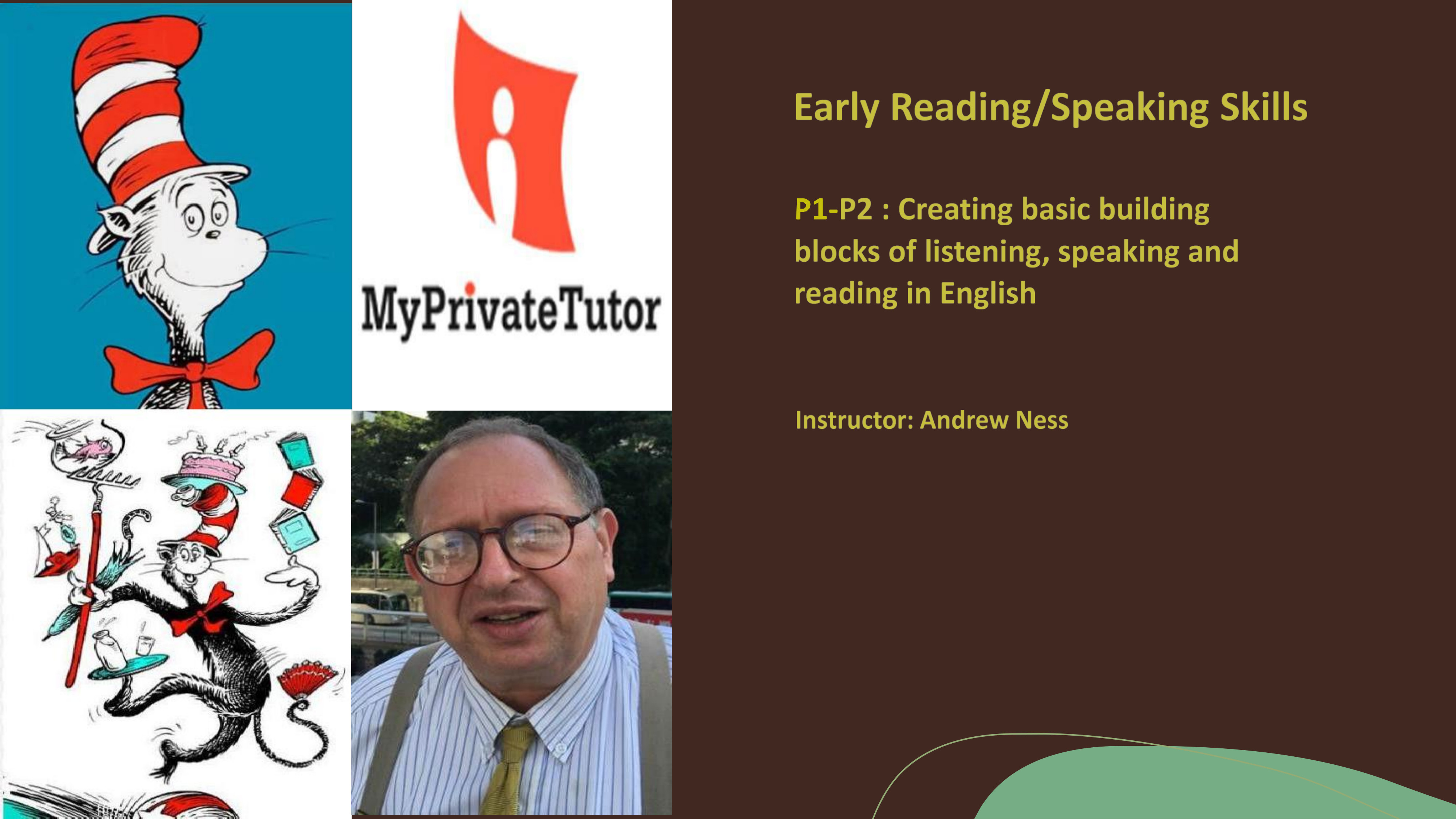
The illustrations of the naughty Cat in the Hat and its...
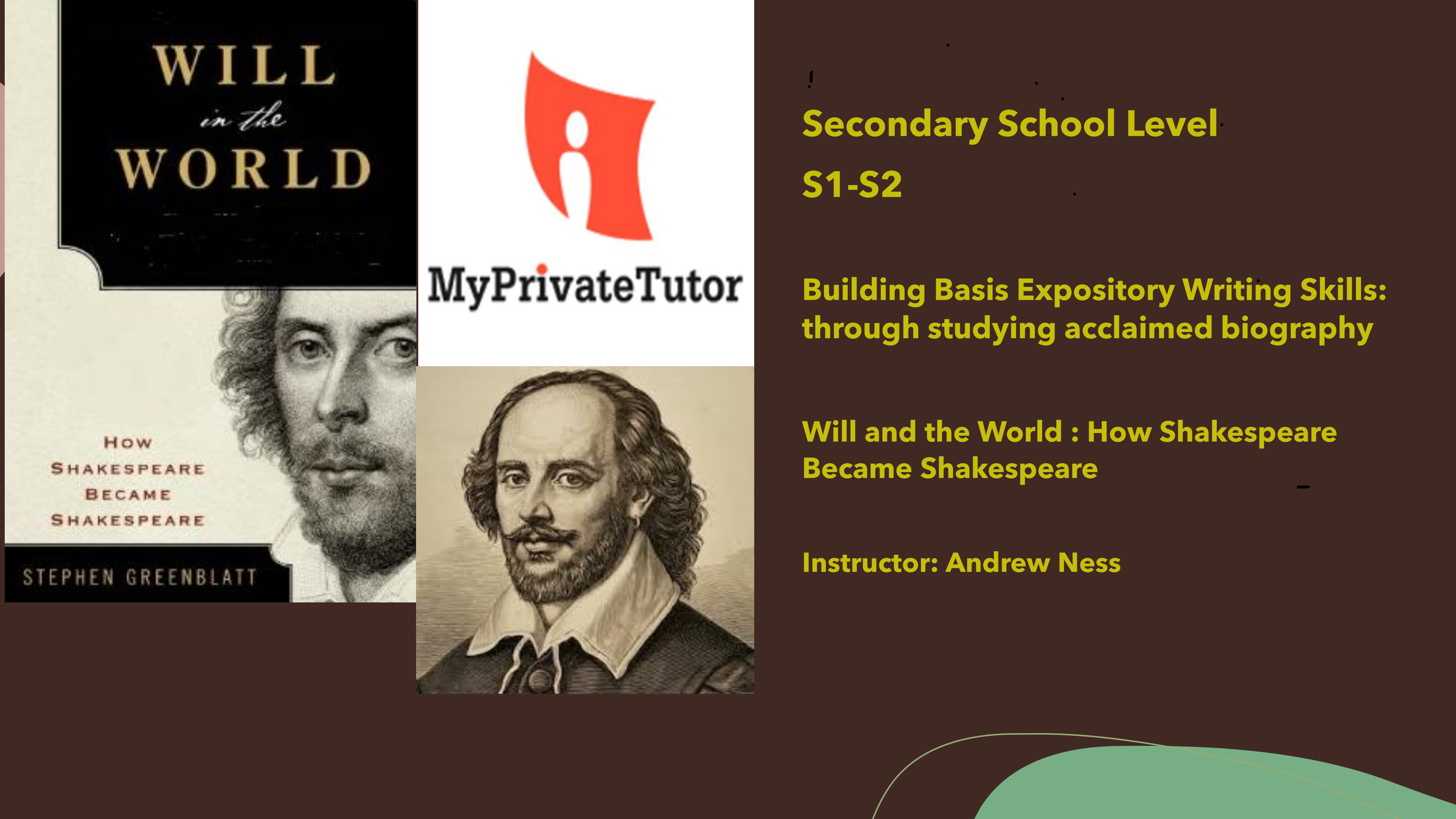
The Pulitzer Prize-winning biography Will in the World:...
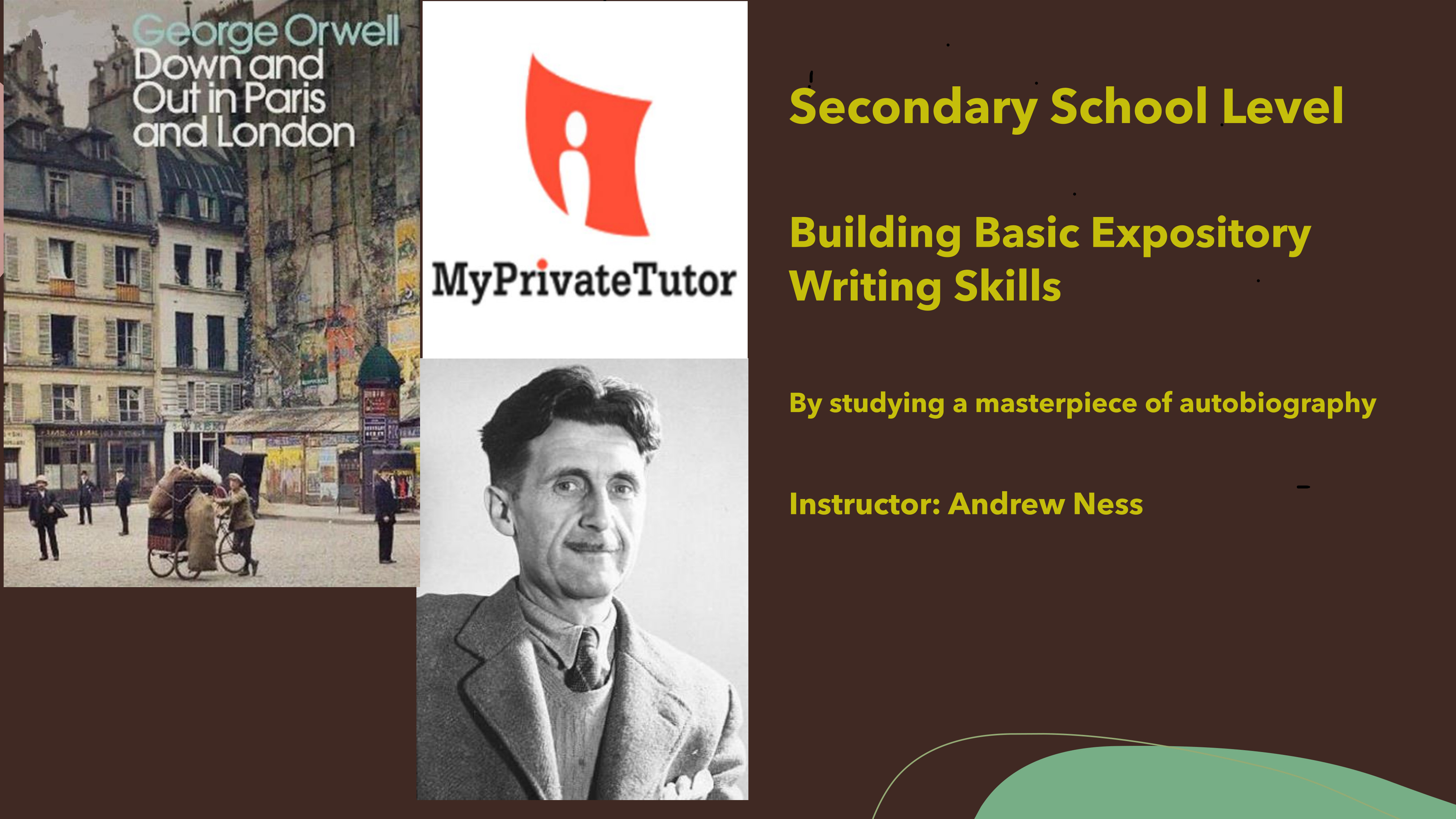
Down and Out in Paris and London is a 1933 memoir, prov...
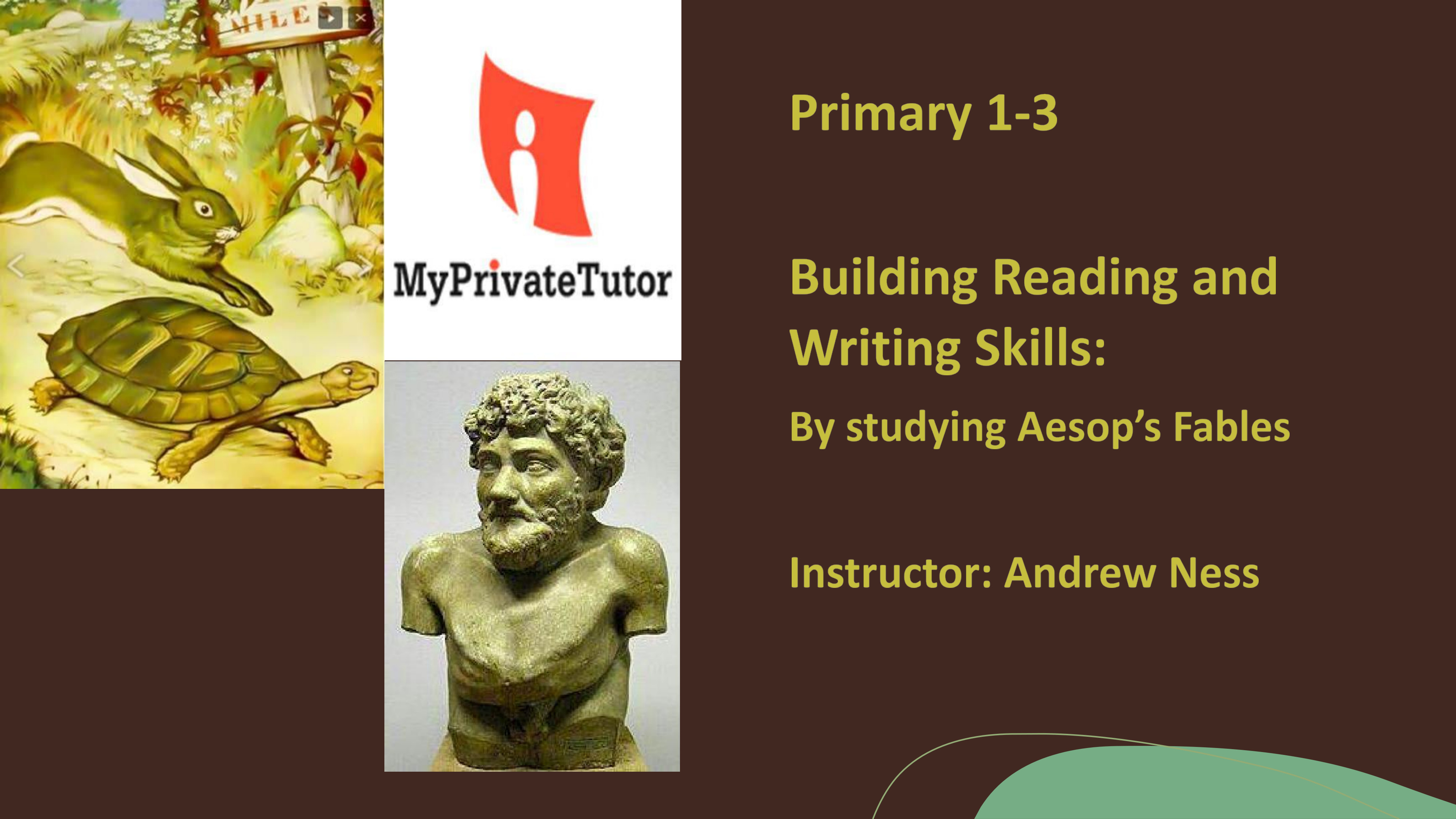
While Aesop's fable teaches children that hard work is ...
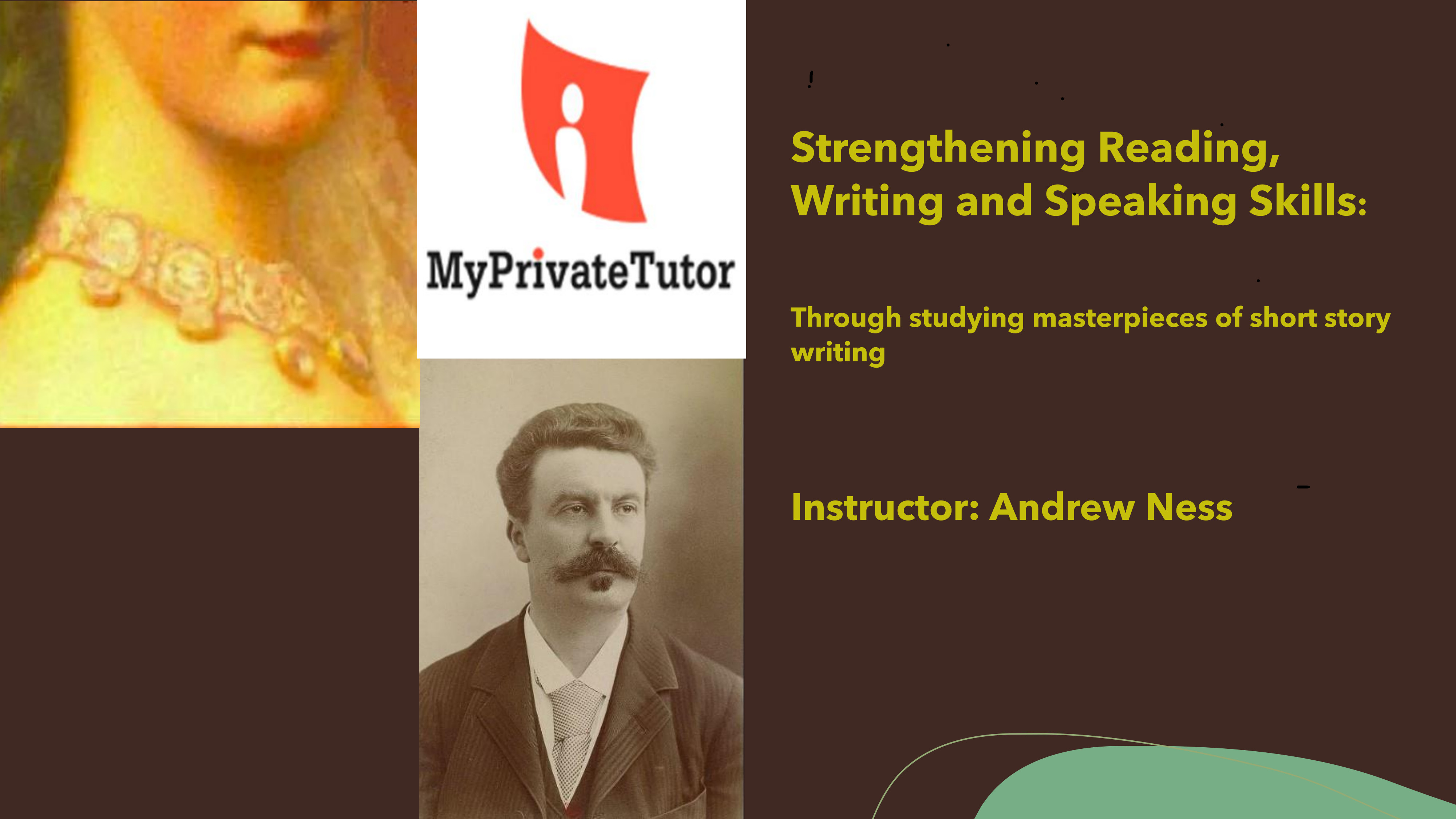
This celebrated ironic short story masterpiece describe...
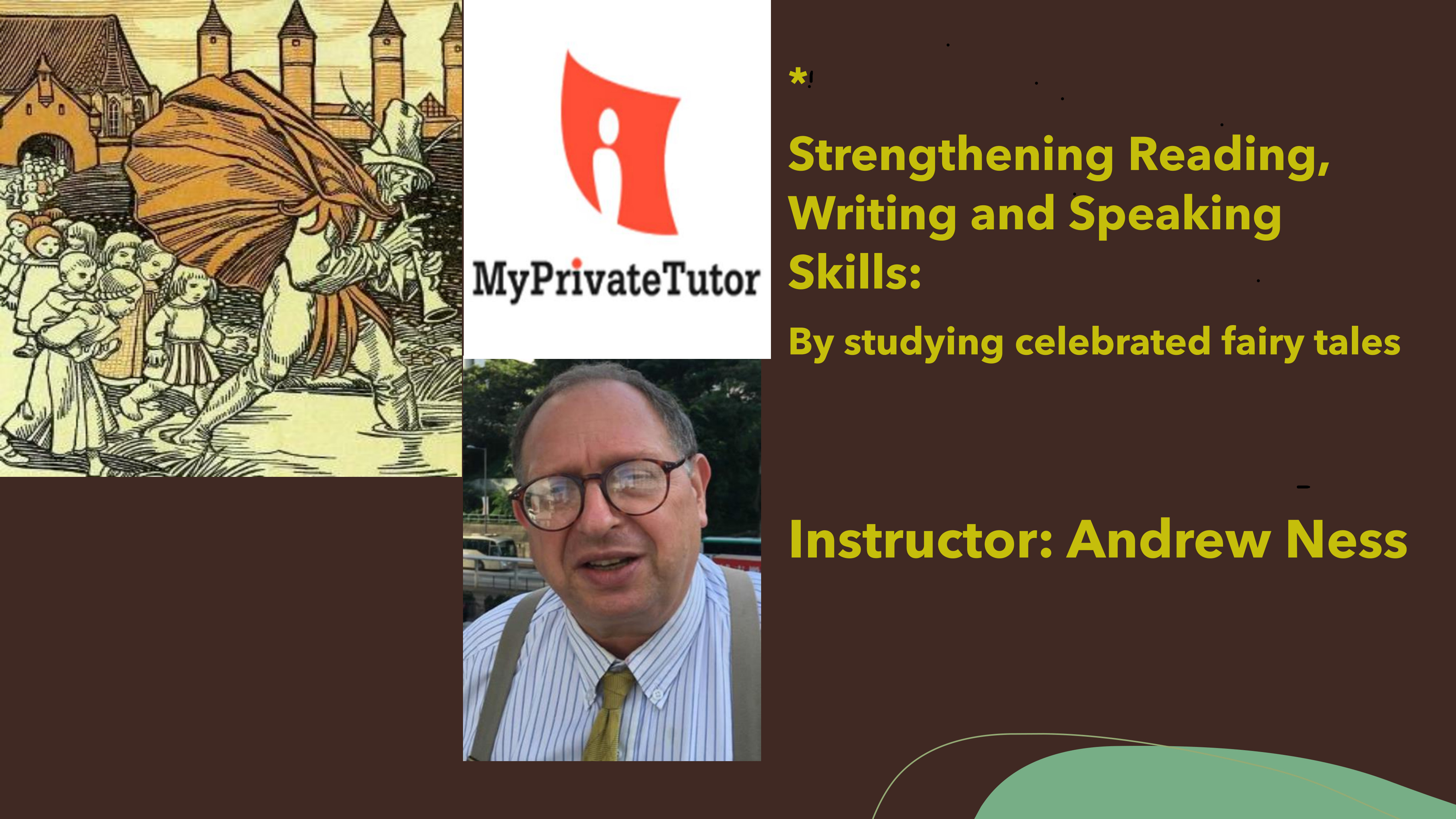
The Pied Piper of Hamelin is a great vehicle for teachi...
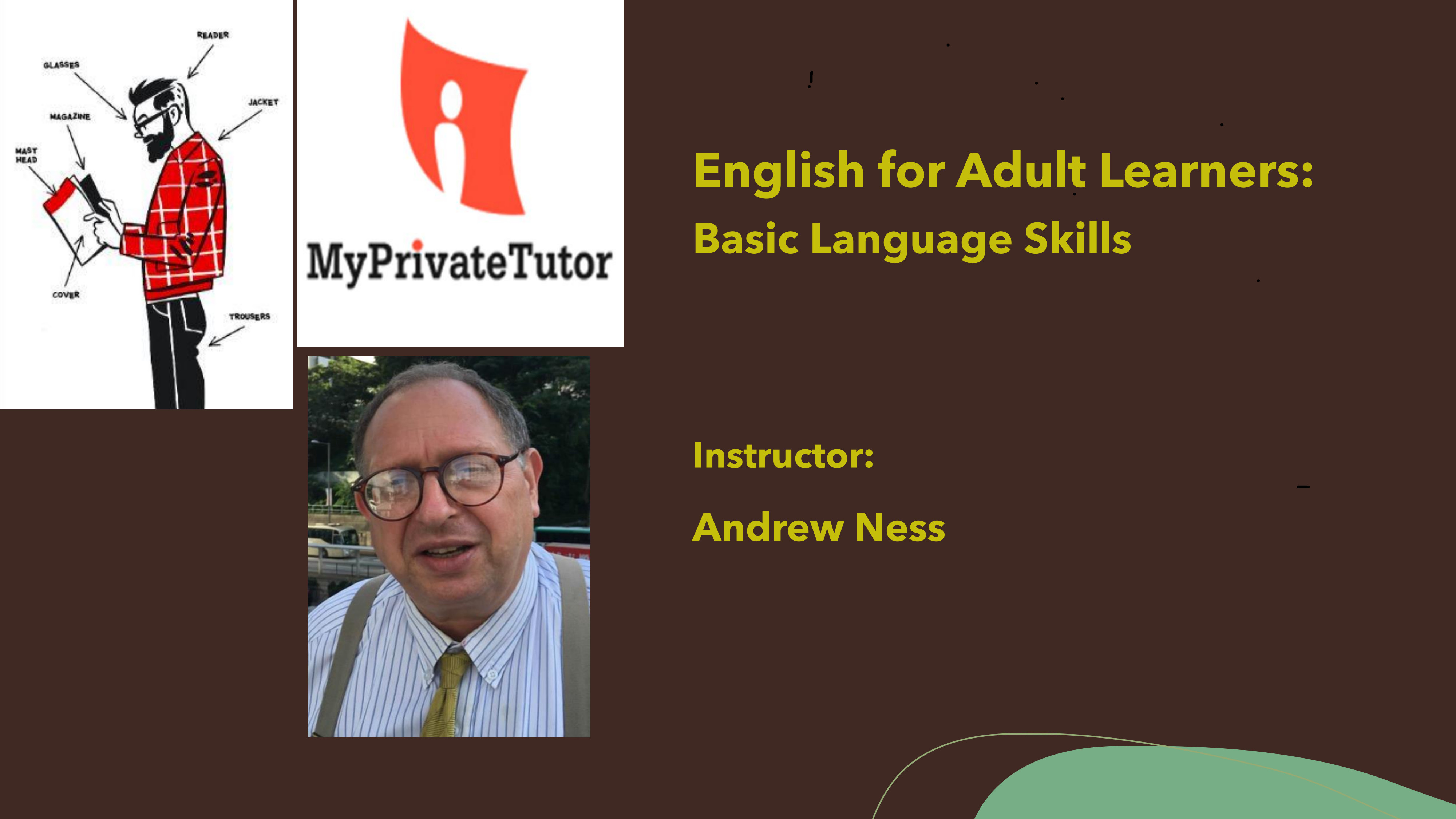
In teaching basic communications skills to adult learne...
The Tortoise and the Hare teaches that one can be more ...
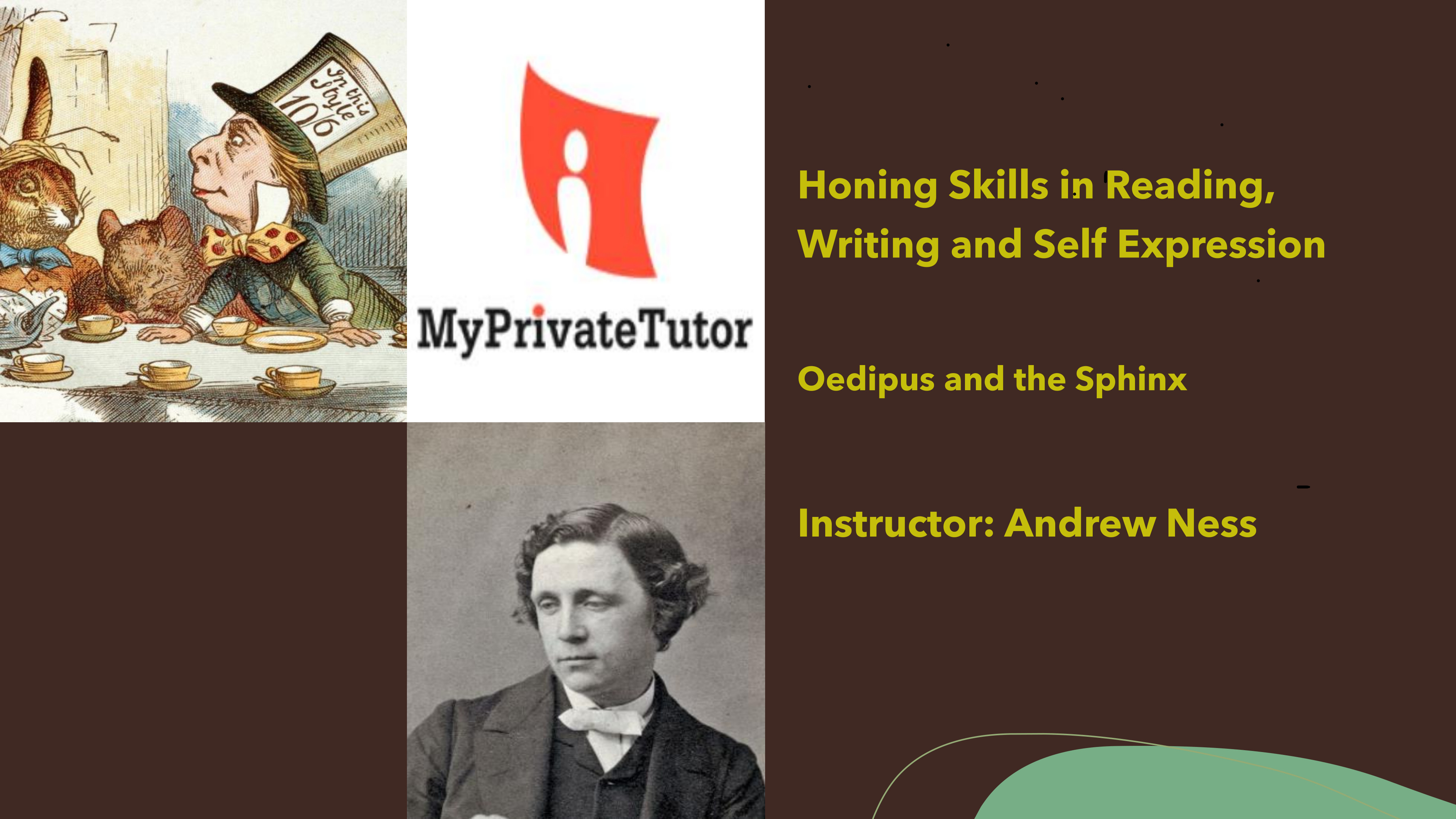
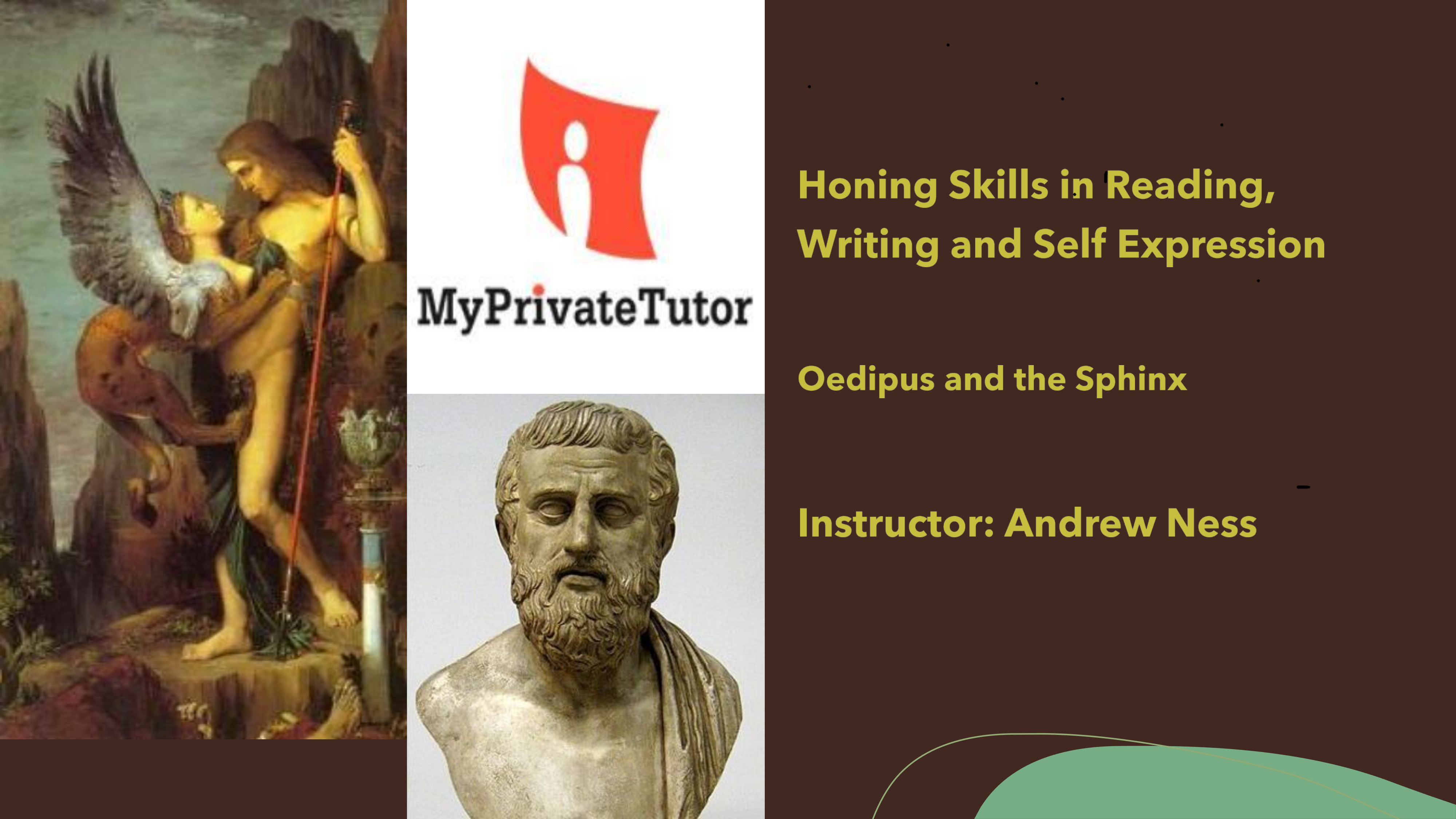
Oedipus's encounter with the Sphinx is one of the most ...
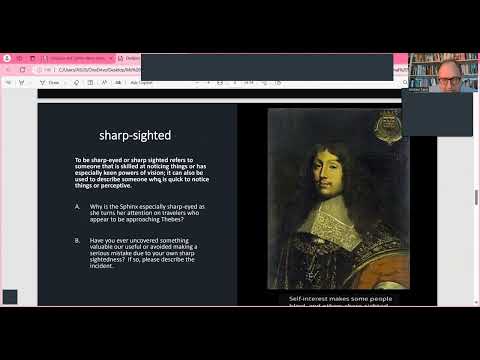
Using the scene of the meeting between Oedipus and the ...
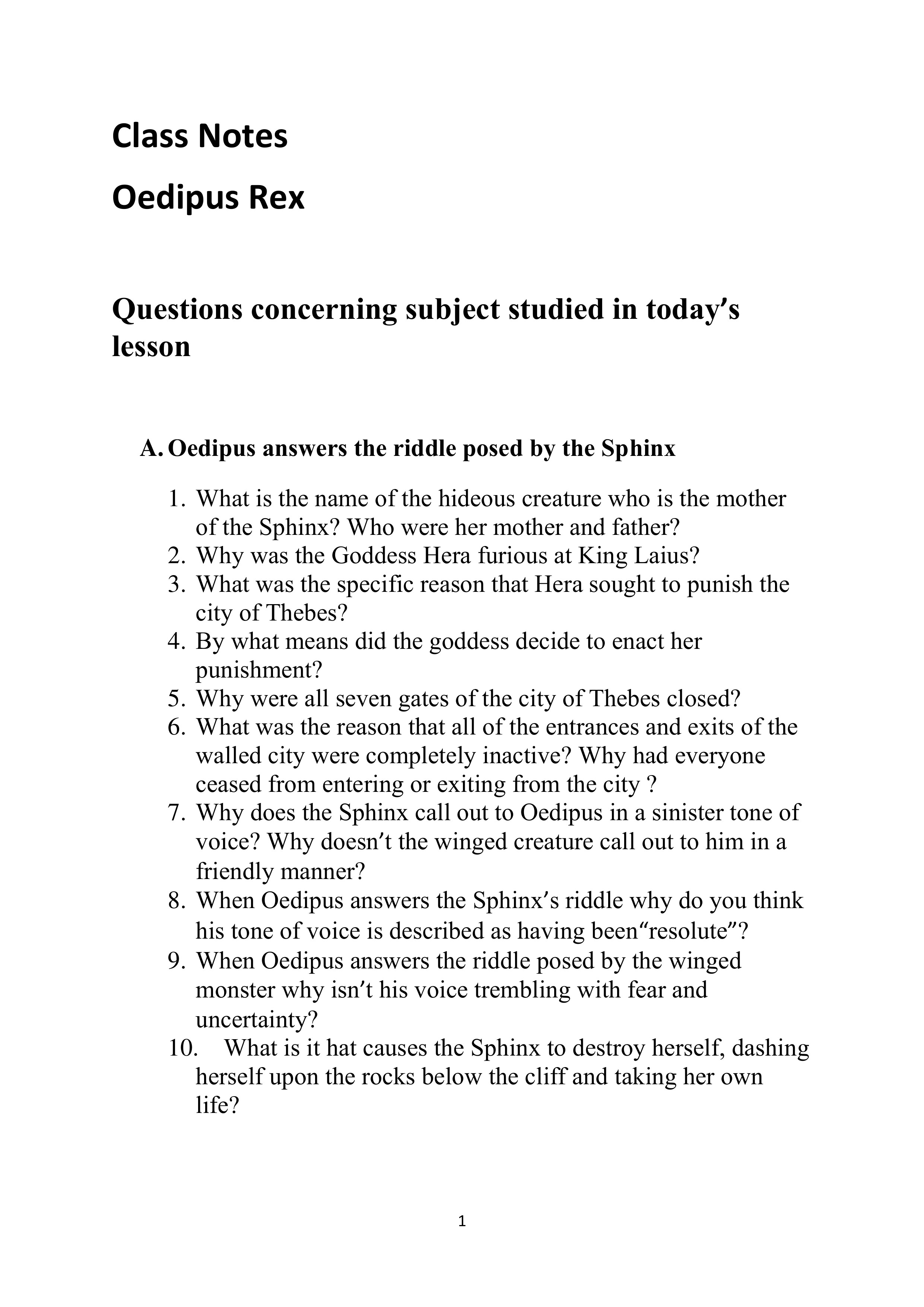
Notes covering the scene in which Oedipus encounters th...
Andrew is a dedicated, kind, and patient teacher. He consistently invests a significant amount of time preparing for each class and creates detailed slides that cover nearly all the relevant topics for my research. Andrew makes every class both fun and productive. He also patiently corrects my mispronunciations and expressions. With his help, I have made significant progress in academic speaking, which I used to struggle with.
I highly recommend Andrew for his exceptional proofreading and editing services. Andrew has shown a firm commitment throughout our collaboration to helping me refine my essays. His attention to detail is impressive. He helps identify grammatical errors and provides concise summaries to ensure I understand the context. Andrew's reliability is unparalleled, always meeting our scheduled online sessions and providing timely feedback. His PowerPoint presentations are particularly helpful, visually highlighting areas for improvement. Overall, I am very grateful for Andrew's expertise, guidance, and support.
The best way to teach English writing for ESL learners at all levels is to assign them clearly defined essay topics focused on subjects which are meaningful, interesting or important to them, and then encouraging them to respond with their own thoughts and feelings. If the teacher is using a literary, historical, current news, topical editorial or social/nature studies text as the base class material, then encouraging the use of idioms, phrases and grammatical structures studied in class is a good way to reinforce this learning. But ideally, students learn how to write most effectively when responding in their own voice with respect to subjects which are meaningful to them.
ESL students can be most effectively taught the rules grammar, spelling and punctuation not by teaching the rules pertaining to written English usage in a rote manner, but rather by simply encouraging them to write about subjects which are interesting to them. After writing a paragraph or an essay, responding in their own voice with respect to a subject which is meaningful to them, the teacher then corrects all of the errors they have made with respect to grammar, spelling, punctuation, usage of idioms, while at the same time, in making the correction, demonstrating the correct way in the corrected sentence should have been written.
Students invariably make more rapid progress in strengthening their reading skills and expanding their vocabulary when being taught to read materials which they find interesting. The art of selecting materials which are both appropriate and interesting for Primary and Secondary school students, is something which comes with accumulated experience. In a sense, teaching reading to adult learners is somewhat easier, in terms of the selection of subject matter, since they will guide you.
In teaching students’ literary analysis and critical thinking, my first step is to provide them with a key passage in the literary text being studied and distinguish between the author’s analytical statements and statements of fact. In teaching students to identify the author’s point of view or analyze the tone of a literary passage, I train them to pick out what are the key statements in the text, since this will be essential in supporting their analysis, identifying what are the main themes in the work being studied. Next, having taught my students how to undertake this kind of basic textual analysis, I move on to the next stage, which is namely teaching them how to think critically about the study text, by training them to make their own key assertions about the author’s point of view and the main themes of the work.
First I ask them to read an entire passage aloud, if they are more advanced students, or only a few sentences, if they are beginner or intermediate students. I take care to allow them to read, at their own natural pace, using their existing pronunciation and enunciation skills. Then I read the passage myself, demonstrating how they should be read. In doing this re-reading, I highlight the words they mispronounced, or instances where they ignored the punctuation marks to model how the passage should have been read.
During an online class, the best way to improve public reading skills is to permit a student to read a passage from the piece of literature being studied naturally, in their own voice, and without interrupting them. As I listen to them, I make mental notes as to weaknesses they display in reading aloud, frequently reading too quickly, not pausing for the punctuation marks, not placing emphasis on key words, especially if they are dramatic or otherwise important. After making this observation, I then re-read the passage, demonstrating by my own example what a reading of the passage should sound like, when done by someone who fully understands its meaning. In addition, since many words in English may have two meanings, and sometimes even three, I review the passage studied in depth, to make sure that my students have understood the author's intended meaning. I also review the literary usages in the passage, which are no longer common in spoken English. Similarly, I also review the use of idioms in the passage which they may not have fully understood. Finally help help them recognize key words which set the tone of the passage as being factual, dramatic, sarcastic, ironic, judgmental, comic or solemn.
The best way to teach grammatical rules in English is to explain them once simply, demonstrate once how a rule is used, and then encouraging students to write sentences in which they are required to use the rule correctly. A perfect example is teaching the difference between different forms of the Past Tense in English: the Simple Past Tense, Past Perfect, Past Continuous and Past Perfect Continuous. In the same way that native speakers learn to speak and write their own native languages, the best way to teach ESL students the rules of grammar is to demonstrate in different repeated contexts the correct use of a given rule, reminding them why the rule is applicable, and then encouraging students to generate their own writing or language, using the same grammatical form.
The most effective way of motivating students who struggle with language is to provide them with study materials which are both appropriate for their level of English language attainment and which they simultaneously find interesting, amusing or otherwise engaging.
I am familiar with Hong Kong Primary and Secondary School English curriculum, but this may vary substantially from the curricula used at the same academic levels in the United State, U.K. Canada, Australia and New Zealand.
I do this by creating a mock exam or mock assignment, making it as similar as possible to the one they will have to deal in during the day school English classes.
The best way to ensure that students are actively engaged is to run highly interactive classes, in which students are given sentence writing exercises, are posed questions about the materials they are reading during the tutorial sentence, and to give surprise quizzes, all of which teaching techniques tend to keep the students alert, active and engaged by the class proceedings.
I can provide a great deal of common-sense guidance with respect to the best strategies for taking English exams, but exam preparation is not the core focus of my teaching work.
Should the students require homework or take-home assignments, to be completed after class time, I have a great deal of experience preparing homework assignments designed to directly reinforce the subjects studied in class, including exercises requiring students to use the idioms, grammatical structures and vocabulary studied in class, for Primary to Intermediate level students, and for more advanced students, assignments requiring them to explain the gist, humor, irony or dramatic tension of the material covered in class. For the most advanced students, I may ask them to write a short story using a literary device studied in class, such as the ironic reversal of a character’s fortunes.
Preparing students to take the TOEFL and IELTS exams certainly falls within my expertise as an ESL, but standard exam preparation is not the core focus of my teaching work.
Yes, based on whether students are open to receiving my guidance, I indicate reading materials which might improve their English skills. To one student who was interested in reading the works of a great biographer of English language authors, I recommended the biographies of William Blake, William Shakespeare, Charles Dickens and T.S. Eliot authored by Peter Ackroyd. To another student, who inquired about what were the names of the great woman poets and authors of the 20th century, I recommended that she read the poetry of Sylvia Plath and the short stories of Katherine Mansfield and Flannery O’Connor, before tackling more difficult authors, such as Virginia Woolf.
The best way to train students, with respect both verbal and written skills in business English is to create mock scenarios which are simulations of situations they might encounter in real life, for example, dealing with a customer complaint, either in person, or in the form of a written email, lodging a complaint oneself to service provider, landlord or business establishment or persuading a customer that a certain product or service is the best choice. I design my classes to train my students to deal with each scenario reviewed both verbally and in writing. Managing or attending business meetings that are conducted in the business language is a subject which I reserve for more advanced levels of business English study, since this requires a basic level fluency in English as a pre-requisite for class attendees. However, in teaching how to hold or participate in business meetings, as an experienced teacher I create a mock scenario, such as a discussion of the advisability of shutting down a business division which up until recently was profitable but has recently been operating at a loss, giving the a summary of key phrases to be used in the meeting, as a syllabus for preparing to participate in the simulated business meeting.
I concentrate on teaching the use of literary devices to students in my more advanced Secondary School English classes and also to adult learners. This is because being able to grasp correctly how to use of literary devices represents an advanced stage in the study of English and assumes that the student has already grasped the basic rules of grammar and an essential base of fundamental vocabulary words. So, the best way to teach students to use literary devices both correctly and effectively is to find is to find a work of literature which uses a particular literary device, to great effect and then having the students try to use the same device in a take-home written assignment. The correct usage of literary devices can be subtle and difficult to grasp, and hence real-time, sentence making competition exercises during online class is not an appropriate context in which to teach them. Take, for example, the opening paragraph in Guy de Maupassant’s The Necklace, which uses to great effect the literary device of irony, as well as the passive voice, in the past tense to suggest the heavy feeling of fatalism which imbues the entire short story. By using literary works such as The Necklace as study material, I instruct my students to become familiar with the powerful literary device of irony and thereby learning how to inject feelings humor and incongruity into a piece of writing, in which a character perceives a situation in a manner which is at odds with what is real.
Students are unlikely to pursue their own writing interests in English unless they have some kind of motivation. Amongst my students, those who have achieved the greatest advances in their English writing capability are those who have kept running diaries of their daily activities, life at school, or subjects they find amusing, interesting or otherwise personally important. Amongst my students, some of the most successful ones who used diary keeping as a language study device. One student, who displayed English writing talent, kept a lengthy diary, transposed his description of experiences he had at school into a satirical fantasy, in which certain teachers and students were described in peculiar or bizarre terms. By the same token his description of student activities were conceived in terms derived from eerie science fiction novels, a device which was both amusing and effective.




 Bildungsabschluss
 Lernmaterialien



 Erhaltene Bewertungen
 Fragen an Sie