 Request a Tutor Diventa un tutor
Nakhon Pathom, Thailandia
Passionate and certified English tutor with a B2-level qualification and years of experience teaching Thai students from primary to secondary level. I specialize in making English ... Per saperne di più
My teaching approach is personalized, practical, and supportive. I focus on building a strong foundation in English by using simple explanations, real-life examples, and interactiv... Per saperne di più

University of science and technology in southern Philippines
Far East University
It encompasses both verbal and written communication, e...
Very good teacher. She is patient. She always want me to improve.
Teaching writing to ESL learners, especially young students, requires a balanced approach that builds language confidence while developing the core skills of written expression. My method is structured, supportive, and adaptive to individual needs, with a strong emphasis on language acquisition, visual support, and student motivation.
In an ESL classroom, teaching grammar, spelling, and punctuation requires a supportive and student-centered approach. Many learners feel intimidated by these technical aspects of English, especially when they differ from their first language. My goal is to help students build accuracy and confidence through clear instruction, engaging activities, and consistent practice. 1. Make Grammar Meaningful, Not Mechanical 2. Repetition, Practice, and Celebration
My approach to teaching reading in an ESL classroom focuses on building both decoding skills and reading comprehension through a structured and supportive environment. I begin with phonics to help students connect sounds with letters and decode simple words. I use songs, visual aids, and hands-on activities to make phonics engaging and accessible, especially for young learners. Alongside decoding, I prioritize vocabulary development by pre-teaching key words, using pictures, realia, and context clues to support understanding before and during reading. To build comprehension, I use strategies like predicting, questioning, visualizing, and summarizing. I model these during shared reading and gradually encourage students to apply them independently. I also incorporate culturally familiar and age-appropriate texts to keep students engaged and help them connect reading to their real-life experiences. Group reading sessions allow for guided practice, while independent reading encourages personal growth and confidence. Reading is integrated with listening and speaking, so students can talk about what they’ve read, answer simple questions, or draw what they understood. I assess comprehension informally through oral questions, retelling, and matching activities. I give specific feedback and praise effort to keep learners motivated. Above all, I aim to make reading enjoyable by using games, stories, and interactive tools. Creating a safe, encouraging space helps students take risks, grow their skills, and develop a lifelong love of reading in English.
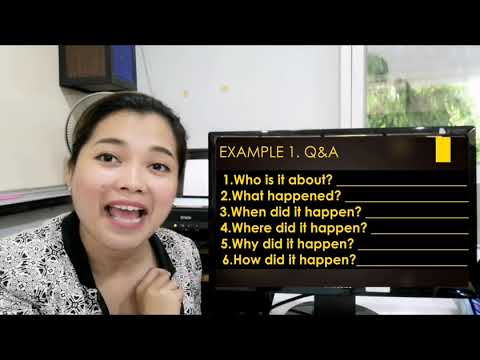
To help students develop literary analysis and critical thinking skills, I start by making texts accessible and relevant. I break down stories into manageable parts—characters, setting, plot, and theme—using visuals, story maps, and guided questions. For ESL students, I use simplified texts or bilingual versions when needed, gradually introducing richer language and more abstract ideas. I encourage students to ask and answer questions like, “Why did the character do that?” or “What lesson can we learn from this story?” which promotes inference and deeper understanding. I model how to think critically by “thinking aloud” during reading—showing how to make predictions, notice patterns, and connect ideas. I also use graphic organizers (like Venn diagrams or cause-effect charts) to help students compare characters, explore motivation, or track the development of a theme. After reading, students engage in discussions, role-plays, or writing tasks that ask them to support their opinions with evidence from the text. To build confidence, I start with guided analysis and gradually encourage more independent thinking. I praise thoughtful observations and offer sentence starters or question frames to scaffold responses (e.g., “I think the character felt ___ because…”). By creating a safe, inquiry-based classroom, I help students not only understand literature but also think more critically about the world around them.
Helping students with pronunciation and enunciation is a key part of my ESL teaching approach. I begin by creating a safe, non-judgmental space where students feel comfortable speaking and making mistakes. I focus first on sounds that are most essential for clarity—such as consonant endings, long and short vowels, and difficult sound pairs (like /r/ vs. /l/ or /th/ vs. /s/). I use a range of techniques including modeling, repetition, phonemic charts, mouth diagrams, and minimal pair practice to raise awareness of how sounds are formed. I also incorporate multisensory activities such as clapping syllables, using mirrors so students can watch their mouth movements, and practicing stress and intonation with songs, chants, or short dialogues. Listening practice is equally important—I use audio clips, videos, and read-alouds to help students hear correct pronunciation in context. I encourage students to repeat after me (“listen and repeat”), shadow native speakers, and record themselves to reflect on their speaking. Enunciation is supported through tongue twisters, reading aloud, and slowing down speech without losing fluency. I correct gently and in the moment, using clear gestures or modeling the correct form. I also give specific praise when improvement is noticed, to motivate and reinforce effort. Over time, this consistent focus helps students speak more clearly, confidently, and accurately in English.
I help students develop public speaking and presentation skills by building their confidence step by step. We start with simple speaking activities such as introducing themselves, describing familiar topics, or giving short explanations. I focus on clarity, pronunciation, and using simple, organized language. I also teach basic presentation structure—introduction, main points, and conclusion—so students can present their ideas clearly. To reduce anxiety, I create a supportive environment where mistakes are treated as learning opportunities, and I give plenty of praise for effort and progress. As students improve, we practice real presentation tasks such as giving a short speech, leading a discussion, or using visual aids like slides. I use role-plays, timed speaking drills, and video recording for self-reflection and feedback. I also teach useful phrases for transitions, engaging the audience, and answering questions. Through consistent practice, supportive feedback, and encouraging self-expression, students gain the confidence and skills they need to speak effectively in front of others.
Yes, I can explain complex English grammar rules in simpler terms by breaking them down into easy-to-understand parts, using real-life examples, and avoiding technical jargon. I focus on showing how the rule works in everyday situations rather than just teaching the definition. For example, instead of explaining the “present perfect” with grammar terms, I might say, “We use it when something started in the past and still matters now—like ‘I have eaten,’ meaning I’m not hungry anymore.” I also use visuals, timelines, sentence-building activities, and comparisons to the student’s native language to make abstract rules more concrete and relatable.
When working with students who struggle with the language, my first priority is to build their confidence and make them feel safe to try. I create a supportive classroom environment where mistakes are seen as part of learning. I praise effort, not just accuracy, and use simple, achievable tasks to help students experience small wins. For example, I start with speaking or vocabulary activities where they can participate through pictures, gestures, or one-word answers, gradually moving to more complex tasks as their confidence grows. I also tailor lessons to their interests and strengths—using familiar topics, games, songs, or visual aids to make learning more engaging. This keeps them emotionally connected and motivated to keep trying. Peer support is another key strategy: I use pair or group activities where stronger students can model language use and encourage their peers without pressure. Visuals, sentence frames, and repetition are tools I often use to reduce frustration and provide structure. Most importantly, I celebrate progress. Whether a student writes their first full sentence or speaks up in class for the first time, I acknowledge their effort. I also help them set small, clear goals so they can track their own improvement. By combining emotional encouragement with structured support, I help students feel empowered and motivated, even when the language feels challenging.
Yes, I am familiar with the English curriculum and course requirements in Thai schools, as I have experience teaching English at both the primary and secondary levels in Thailand. This background has given me a strong understanding of the national curriculum standards, language skill progression, and the expectations for each grade level. I am comfortable planning lessons that align with the MOE (Ministry of Education) guidelines and can adapt my teaching to meet the academic and communication goals set by the school.
I help students prepare for English exams and assignments by first identifying the specific areas they need to focus on, such as grammar, reading comprehension, writing, or speaking. If a student requests exam preparation, I recommend they book a dedicated session so we can review key topics thoroughly, go over the exam format, and practice with past papers or sample questions. During the session, I guide them through test strategies, time management tips, and common question types. I also provide feedback on their practice work and help boost their confidence by highlighting their progress and strengths.
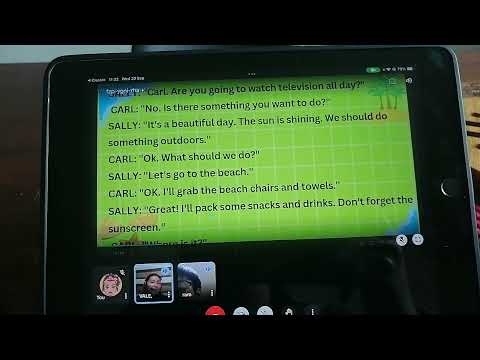
To ensure students are actively engaged during tutoring sessions, I focus on making learning interactive, personalized, and student-centered. I begin by building rapport and understanding the student’s interests, learning style, and goals. This allows me to tailor lessons using content that feels meaningful to them—whether that’s through games, real-life scenarios, visual aids, or digital tools. I break sessions into varied activities (e.g., vocabulary games, speaking practice, short reading tasks, interactive worksheets) to keep energy and focus high. I regularly check for understanding with quick questions, gestures, or short responses to keep the student mentally involved. I also use hands-on techniques like drawing, role-play, or sentence building with cards or manipulatives—especially for younger learners or students with learning difficulties. For online sessions, I use tools like interactive whiteboards, clickable drag-and-drop games, and real-time polls to keep students participating actively, not just listening passively. Importantly, I maintain a warm and encouraging tone, celebrating small successes and giving frequent, specific praise. I ask open-ended questions to get students thinking and expressing their ideas, and I adjust pacing as needed to keep frustration low and interest high. If a student starts to disengage, I quickly switch to a different activity, review a fun concept, or offer a brain break. Overall, I create a safe, dynamic space where students are not just learning—but enjoying the process of learning.
Yes, I can help students develop effective test-taking strategies for English exams by teaching them how to understand question types, manage their time, and stay focused under pressure. I guide them in practicing techniques such as skimming and scanning for reading sections, planning before writing, and using elimination methods for multiple-choice questions. I also provide tips for listening carefully in audio-based tasks and speaking clearly in oral exams. Through targeted practice and reviewing common mistakes, I help students feel more confident, organized, and prepared to perform well on their exams.
Yes, I am willing to provide additional practice problems and resources for independent study, depending on the student’s willingness and motivation to use them. I believe that consistent practice outside of lessons can greatly improve progress, so I offer targeted worksheets, online exercises, and reading or writing tasks that match the student’s level and goals. However, I always consider the student's learning style and schedule to ensure the extra work feels manageable and supportive, not overwhelming. I also follow up on their progress and offer feedback when needed to keep them encouraged and on track.
Yes, I am able to assist students with English language certification exams such as TOEFL and IELTS. I have personal experience taking these exams and achieved a B2 level, which demonstrates a strong intermediate proficiency in English. Through this experience, I became familiar with the test format, timing, question types, and strategies required for success. I am confident in my ability to guide and support my tutees in preparing effectively for these exams. I focus on all four key skills—reading, writing, listening, and speaking—while also helping students build vocabulary, understand grammar in context, and practice time management. I tailor my approach based on the student’s strengths, areas for improvement, and their target score. I also incorporate sample questions, mock tests, and guided feedback to track progress and build confidence. My goal is to help each learner not only pass the test but also feel more confident using English in academic or professional settings. I believe in encouraging a positive mindset and making the learning process focused yet engaging.
Yes.
I help students develop business English skills by combining practical resources with real-world communication practice. Aside from using a Thai-English reference book as a guide, I create lessons that focus on the specific language and cultural expectations of professional settings. This includes writing formal and semi-formal emails, preparing reports, participating in meetings, and improving overall business communication. I begin by assessing the student’s current level and identifying their goals—whether it’s writing clearer emails, giving presentations, or handling interviews and negotiations in English. I then provide model phrases, templates, and vocabulary tailored to their professional context. For example, we might work on subject lines and opening phrases for emails, or practice polite language for requests and follow-ups. For speaking skills, I use role-plays to simulate real-life business situations such as meetings, phone calls, and small talk with international colleagues. I guide students on tone, clarity, and cultural nuances in business communication. We also review common errors made by Thai speakers and practice correcting them through repetition and feedback. I make sure each session is practical and personalized, helping students feel more confident and capable in their workplace communication. By combining structured materials with interactive tasks, I help learners build both accuracy and fluency in business English.
I help students understand and apply literary devices by first explaining each concept in simple, relatable terms and using clear examples from texts they are reading. For instance, I might explain similes as comparisons using “like” or “as” and then highlight them in a familiar story. We explore how devices like metaphor, personification, and imagery add meaning, mood, or emphasis to a piece of writing. I encourage students to identify these devices in context and discuss their effect on the reader. To deepen understanding, I also guide students in using these techniques in their own writing, helping them see the connection between reading and creating literature.
I encourage students to pursue their own writing interests in English by giving them the freedom to choose topics that matter to them. I believe that when students write about what they care about—whether it's a favorite hobby, a personal experience, or a creative story—they are more motivated to express themselves, even if their language skills are still developing. I often provide open-ended writing prompts, journaling tasks, or personal reflection topics to inspire creativity. For example, I might ask, “If you could travel anywhere, where would you go?” or “Write a letter to your future self.” I also expose students to different types of writing—such as stories, poems, blog entries, emails, or even song lyrics—so they can discover what formats interest them most. During lessons, I support them with vocabulary, sentence structures, and brainstorming tools like mind maps and writing frames to help them organize their thoughts. I make it a point to celebrate their ideas, not just their grammar, and provide gentle feedback that builds confidence. For students with specific goals, like improving academic or professional writing, I blend their interests with real-world formats to keep learning purposeful and engaging. Ultimately, my goal is to help students find joy and ownership in writing in English, so they feel proud of their voice and growth.



 Titolo di studio
 Materiali didattici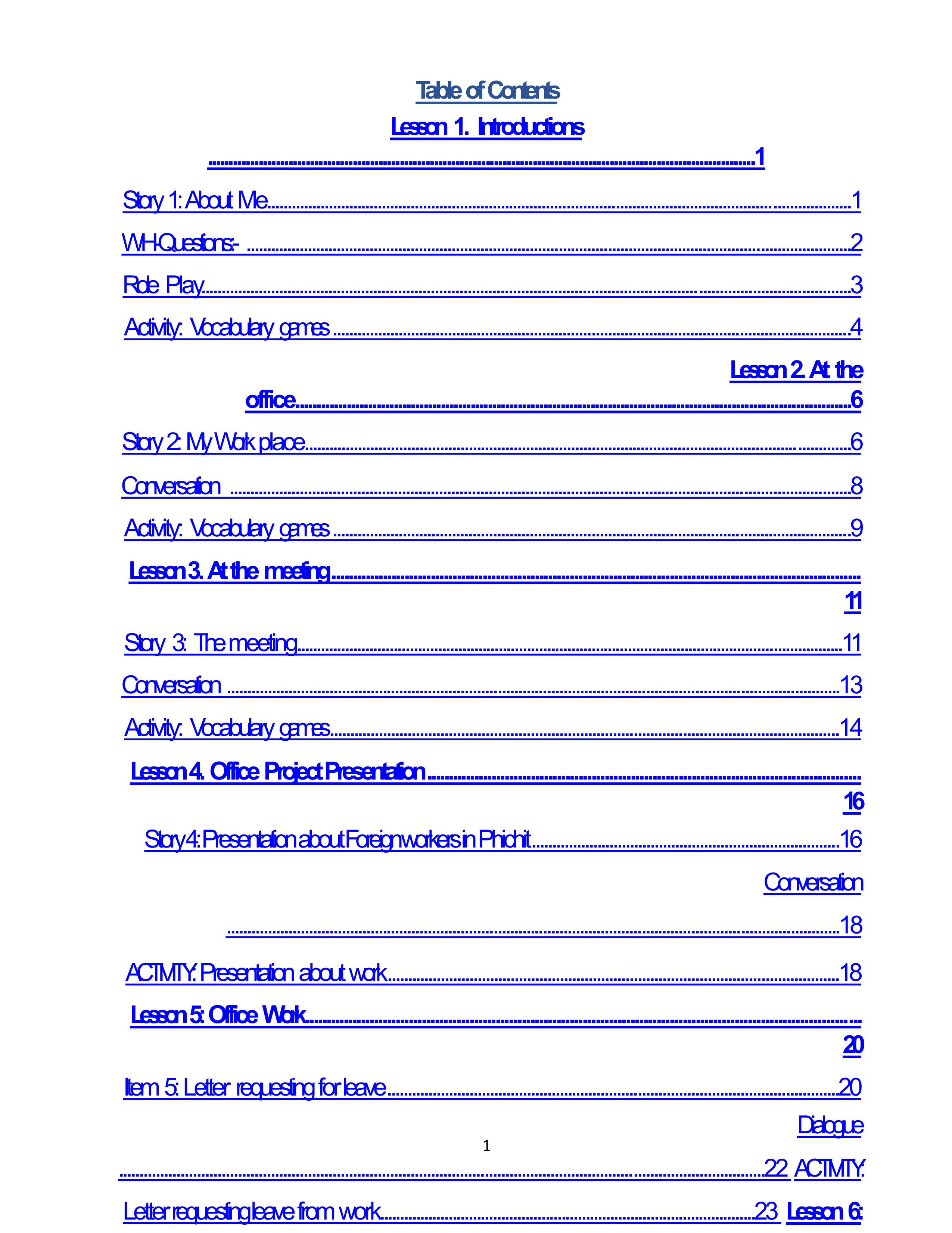


 Recensioni ricevute
 Domande per te