 Request a Tutor Diventa un tutor
Jersey City, U.S.A.
Hello! I'm Fabian, your Spanish teacher.
I have 20 years of experience teaching the Spanish language, with a focus on intermediate and advanced students. I specialize in helping... Per saperne di più
Personalized and effective teaching methods:
My approach as a Spanish teacher is designed so that learning is dynamic, practical and adapted to the needs of each student. I use ... Per saperne di più

Gramática española: • Uso de tiempos verbales (pr...
15 years to 50 years
In my approach to the planning and preparation of lessons, I follow a flexible structure adapted to the needs of each student. The process consists of several steps: 1. Evaluación de las necessidades del estudiante: Before starting classes, I realize an initial evaluation to understand the level of the student, his objectives and specific areas in which he wishes to improve, either in grammar, fluency, vocabulary or professional topics. 2. Diseño de clases personalizedas: A partir de la evaluation, creo un plan de lecciones personalized que integra ejercicios prácticos de gramática, conversación y vocabulario. This plan is flexible, lo que permite ajustements conforme avanzamos, en funcio del progreso del estudiante. 3. Materiales y recursos variados: I use a combination of authentic materials like articles, videos, podcasts, and interactive exercises to make the classes dynamic and realistic. This includes daily situations, cultural topics and professionals. 4. Enfoque communicativo: The lessons are oriented to the practice of conversation, with simulations of real situations that allow the student to apply Spanish in daily or professional contexts. También incorporo revisiones constantes para afianzar lo aprendido. 5. Continuous feedback: At the end of each session, I provide detailed feedback on the student's performance and signal areas to improve, which will help optimize future classes. También assign taskes para reinforcer los temas tratados. This approach guarantees that each class is effective and that the students see continuous progress towards their linguistic goals.
1. Initial evaluations: At the beginning of the course, I perform a diagnostic evaluation to understand the level of the student in Spanish. Esto me ayuda a identificar sus fortalezas y areas de mejora. 2. Seguimiento continuo: Durante el proceso de aprendizaje, realizo un monitoreo constante a través de ejercicios conversacionales, actividades escritas, y ejercicios de comprendación oral y lectora. This allows me to evaluate how the student progresses in key skills. 3. Detailed feedback: Después de cada session, ofrezco specific feedback sobre los avances del estudiante, indicating where he has improved and what aspects he needs to practice. Esto les ayuda a comprender claramente su progreso. 4. Exámenes y pruebas periodicas: Utilizo pruebas periodicas o simulaciones de situaciones reales para evaluar la fluidez, el dominio gramatical y el vocabulario. Estas pueden ser orales o escritas, y me permiten ver el nivel que ha alcanzado el estudiante. 5. Metas personalizadas: Ayudo a mis estudiantes a establishar metas claras y medibles, como lograr una determinada fluidez en conversaciones cotidianas o profesionales. Then, evaluate if they have reached esas metas at the end of each cycle or module of study. 6. Self-evaluation: Foster self-evaluation and reflection, allowing the student to consider how he feels about his progress and adjust his expectations in accordance with the personal objectives that have been established.
1. Tasks and personalized tasks: The tasks are designed according to the level and specific objectives of each student. They can include writing exercises, voice recordings, reading articles or writing emails in Spanish, depending on the context in which the student wants to improve (for example, daily or professional conversation). 2. Flexible delivery and deadlines: Students have the flexibility to deliver their assignments within a reasonable time frame. This is important to allow them to manage their time in agreement with their other responsibilities. 3. Detailed revision: I review each task carefully, paying special attention to grammar, correct vocabulary use, fluency and coherence. I also observe progress in key areas such as pronunciation, when using audio work. 4. Constructive feedback: After reviewing the work, I give detailed and constructive feedback. I highlight what has been done well and point out areas that need improvement. In addition, I usually provide suggestions for correcting errors and improving future tasks. 5. Interactive marking: In many cases, we mark assignments during the sessions, which allows for a more interactive discussion. This is particularly useful in conversation exercises or those that require a more detailed explanation. 6. Next steps: In addition to marking assignments, I often assign additional exercises or variants of the same assignment if I notice that the student needs more practice in certain aspects. This reinforces understanding and mastery of the topic. This approach guarantees that the tasks not only reinforce the learning, but also serve as a continuous evaluation tool and improve the student's linguistic abilities.
1. Platforms of videoconference: I use tools like Zoom or Google Meet, which offer functions like screen sharing, digital tablet and the possibility of recording sessions. This facilitates the interaction in real time and allows the students to revise the lessons afterwards.
Si claro
1. Personalizing content: I try to tailor lessons to each student's personal interests and goals. If a student is struggling, I often introduce topics that are more appealing to them or related to their passions (e.g. music, sports, travel, culture), which helps them connect better with the material. 2. Setting small, achievable goals: I break down learning into small milestones so that students don't feel overwhelmed. Achieving these small achievements gives them a sense of progress and success, which is a great motivation to keep going. 3. Interactive teaching methods: I make use of games, dynamic exercises, discussions, and activities that encourage active participation. For example, role-play activities or simulations that allow them to practice the language in real-life scenarios. This makes them see learning as something practical and useful. 4. Positive reinforcement and constructive feedback: I celebrate successes, no matter how small, and give positive feedback to build student confidence. When mistakes occur, I present them as learning opportunities, highlighting that making mistakes is part of the normal learning process. 5. Incorporate technology: I use technological tools such as apps, videos, and interactive resources to vary the dynamics of classes. These platforms can make learning more engaging, especially for students who are more disengaged. 6. Flexible teaching style: I adapt to different learning styles. Some students learn best by listening, others by writing or through conversational practice. I identify what the student's dominant style is and adapt lessons to that style to make them feel more comfortable and motivated. 7. Reflection on long-term goals: When I notice a student feeling disengaged, I often remind them of their long-term goals. Reinforcing why they are learning the language (whether for personal, professional, or academic reasons) can help them regain motivation. 8. Create a supportive environment: I create an environment where the student feels comfortable expressing their difficulties without fear of being judged. When they feel supported and understood, they are more likely to re-engage with learning. These strategies allow me to help students overcome their challenges and reconnect with the material in a more effective and meaningful way.
Sí claro



 Titolo di studio
 Materiali didattici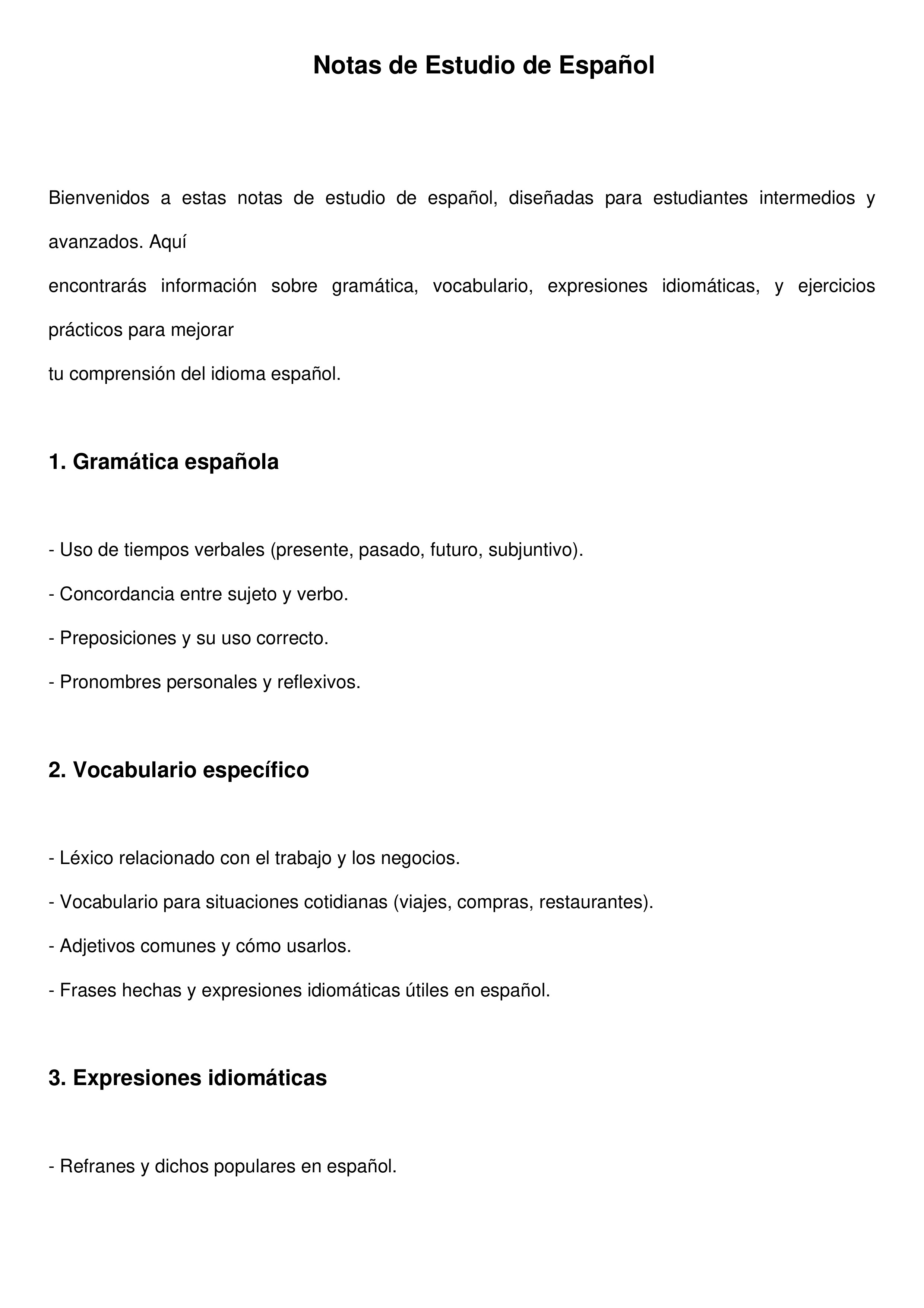


 Domande per te