 Request a Tutor 家庭教師になる
Bangkok, タイ
I have over 15 years of tutoring experience. I am available for private classes in Bangkok. Online classes are available with discounts. ( I have students who are currently staying... 続きを読む
Focus on students’ interests and apply useful skills to further their knowledge, writing research papers and exam preparation.
For toddlers and teens: I obtained a certificate in... 続きを読む

SciencesPo Grenoble
Complutense de Madrid
King’s College Madrid
Chinese Language Exam Preparation ( part time)
Instituto Cervantes
-> Clear explanations of the Golden Age under Elizabeth...
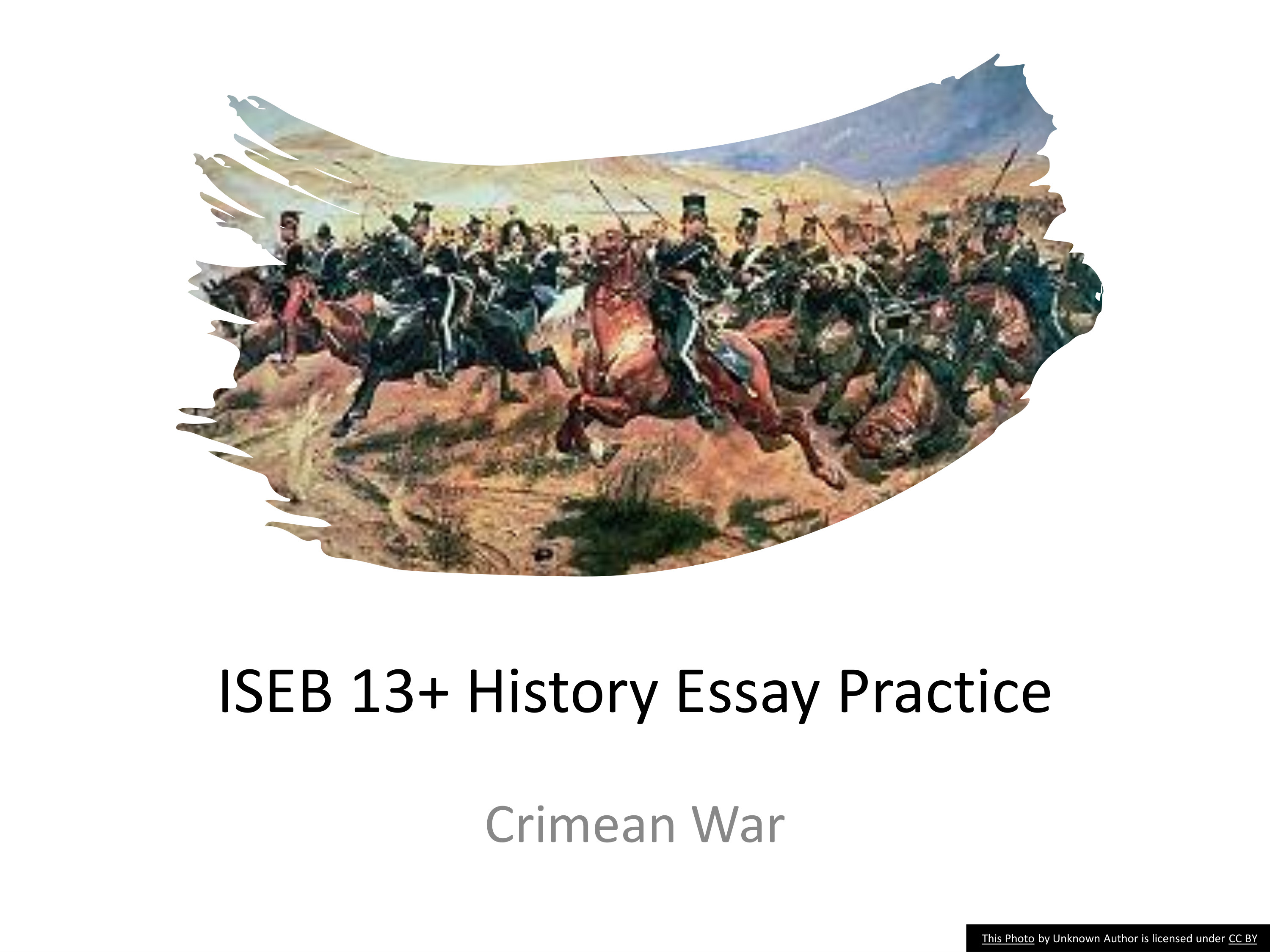
-> Clear explanations of the Crimean War and other KS3 ...
This is a complete guided writing lesson presentation d...
What type of questions could the CEM Verbal reasoining ...
Many students get confused with these terms and this wi...
This PPT can be used in a class to teach students how t...
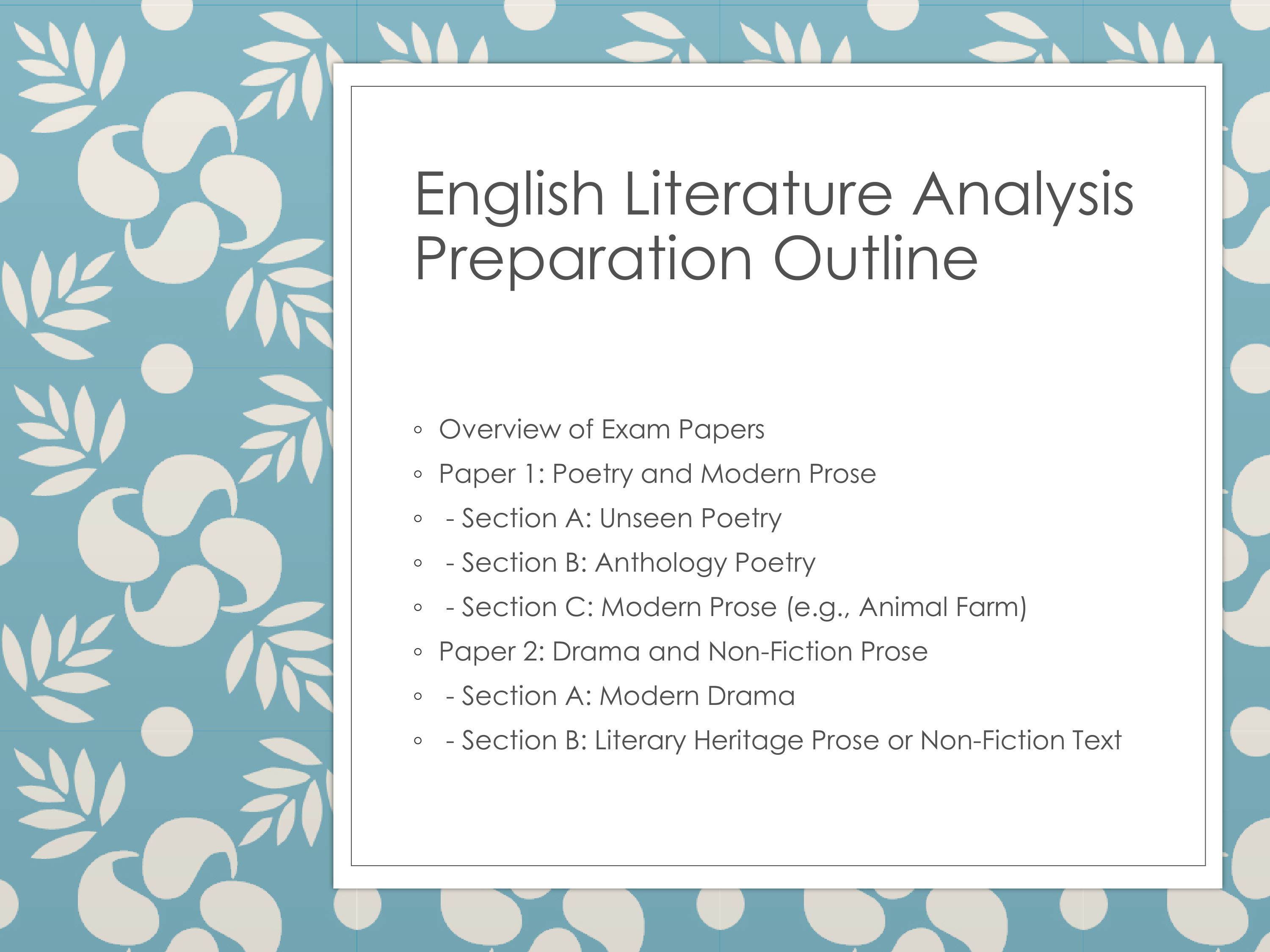
a brief intro to how to preparefor English Literature (...
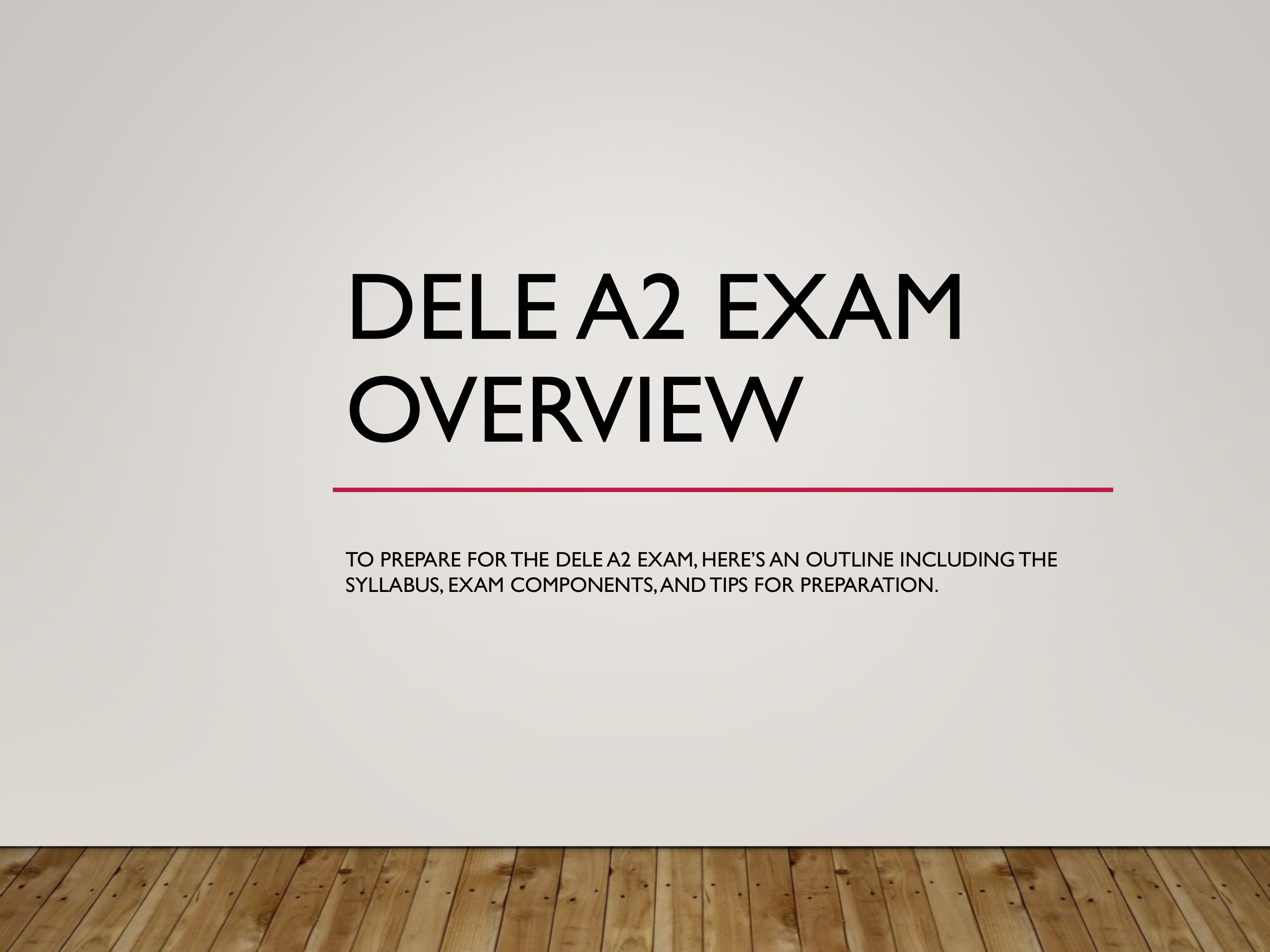
Are you sitting DELE A2? What should you know in terms ...
A guide and example of what to do when you are consider...
Explain about the DSAT, how many questions, time and ty...
A guide to all level of students on how to write an Eng...
For ks1-2-3 students who wish to refresh their knowledg...
Example answer key to paper in May 2023. How to show to...
An example of answer to PastPaper of Edexcel English Li...
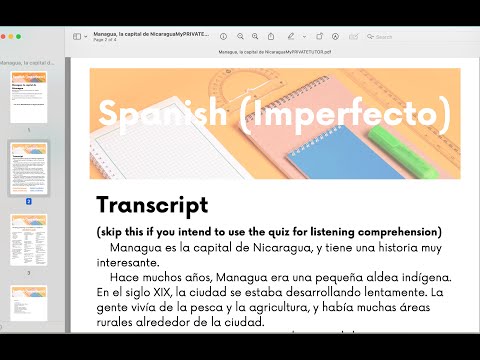
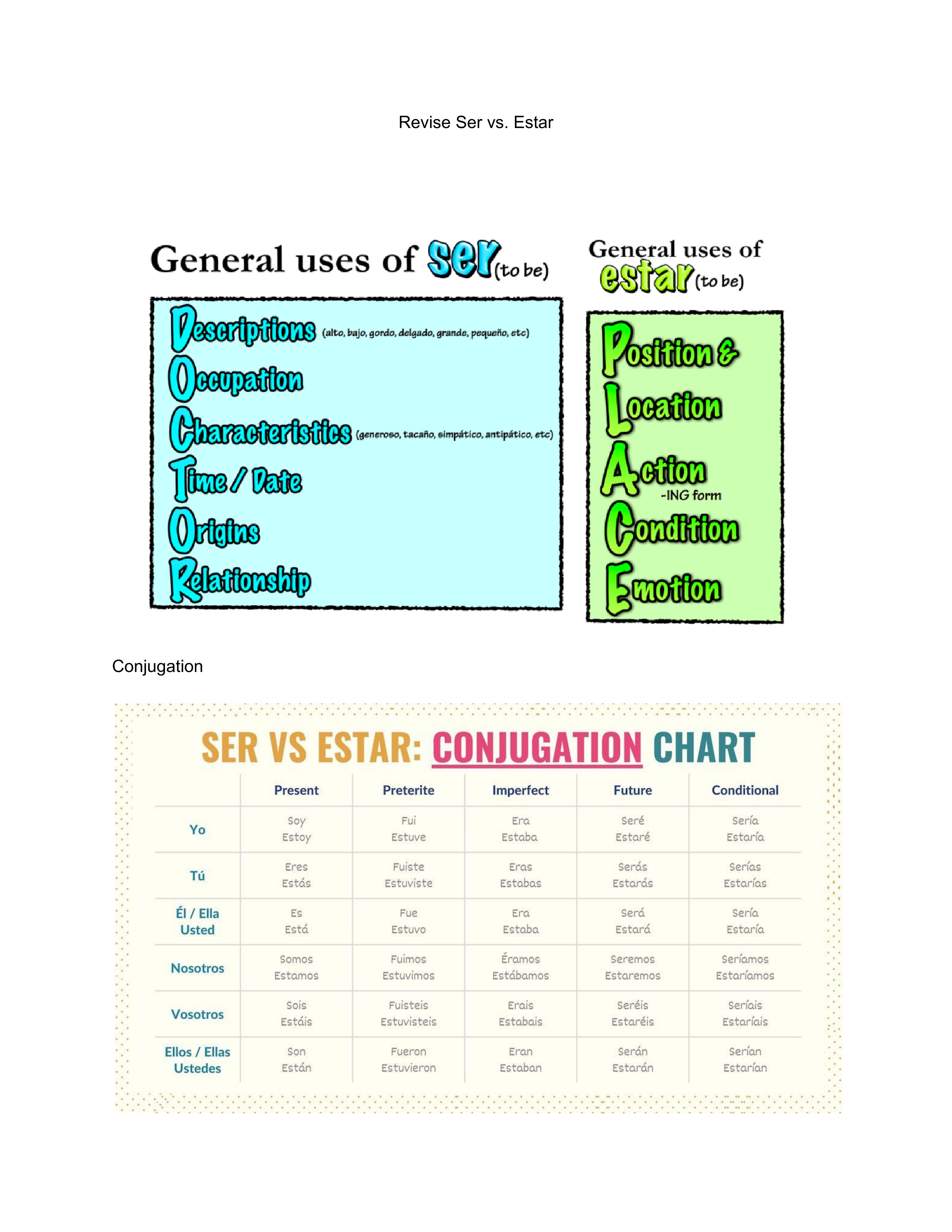
Make conjugation of verbo estar more fun with a story e...
(Part1) Level A1 Spanish lesson about New York. With au...
(Part1) Level A1 Spanish lesson about New York. With au...
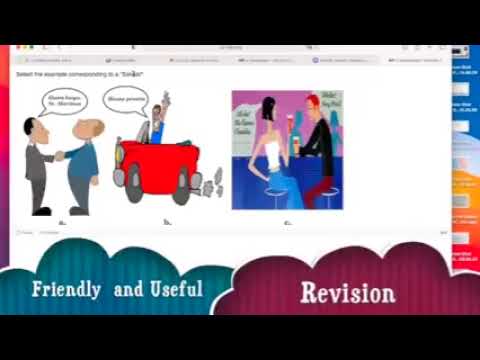
This PPT can be used together with another free multipl...
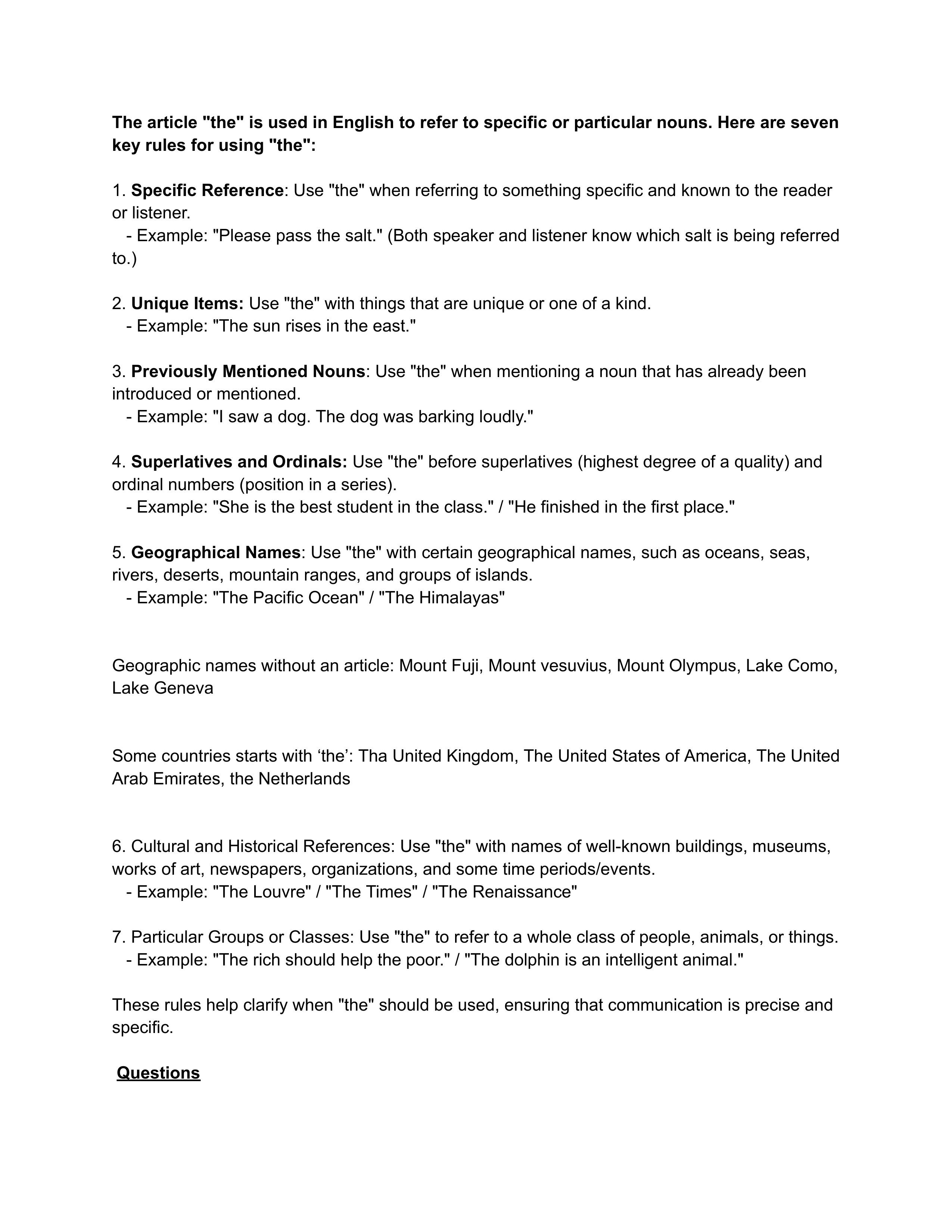
A guide on how to write a good thesis statement in your...
for those who prepare for First language IGCSE. please ...
Exam introduction, time management, and model answers. ...
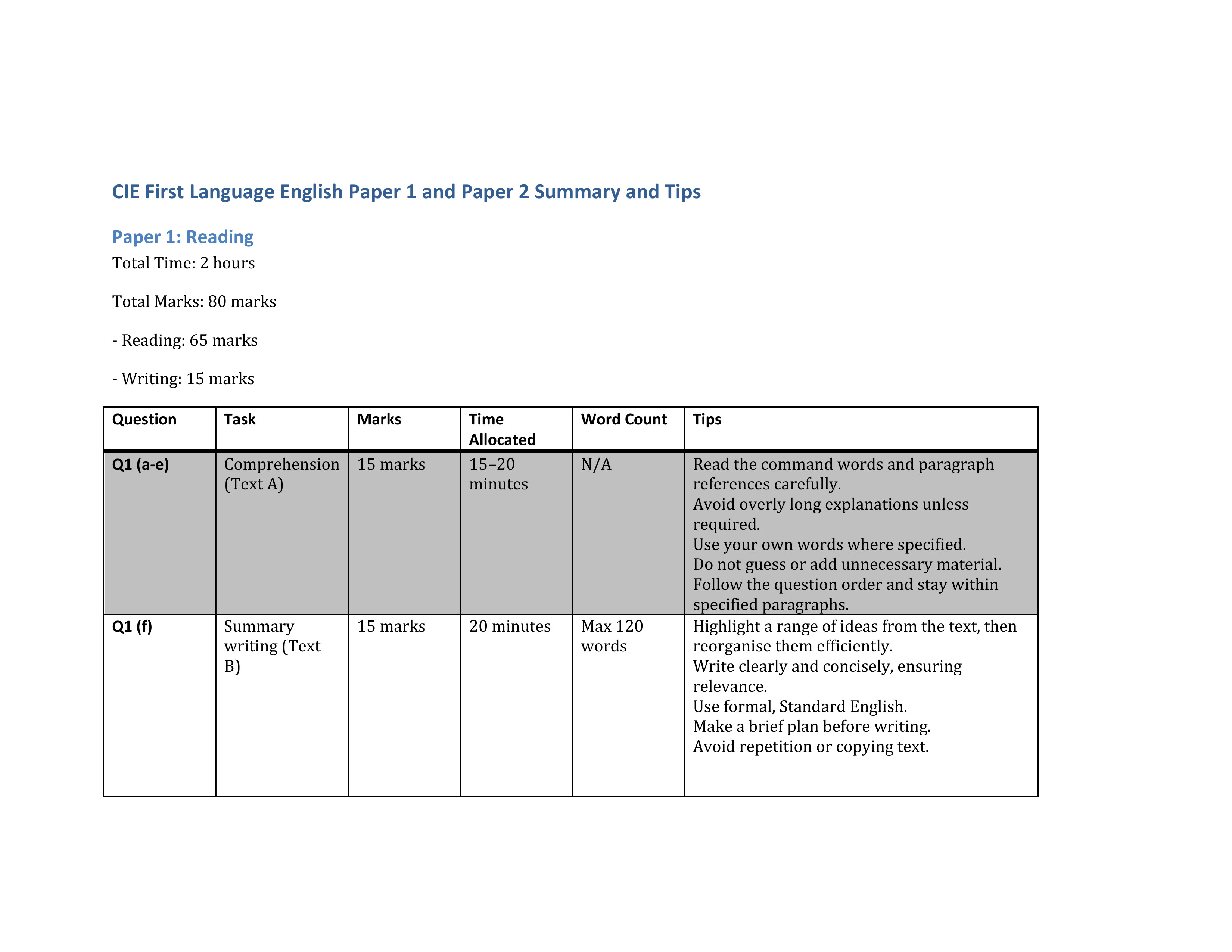
Details of duration, marks, and important things to kno...
updated in 2024 for 4EA1 Pearson Edexcel International...
An overview to English First Language IGCSE exam (CIE b...
This presentation reveals strategies and techniques for...
details, time, and tips on how to prepare for IB Paper ...
Discover the secrets to acing your IGCSE First Language...
Learn about how to conjugate the imperative tense, try ...
Find out what kind of language devices there are, examp...
Learn how news articles are structure, how to write a h...
What does structural analysis in English mean? This ppt...
Learn about poem writing and how to analyse them alread...
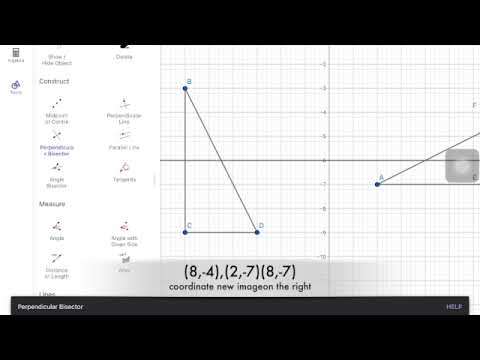
Let children move the jobject to fit the description ?...
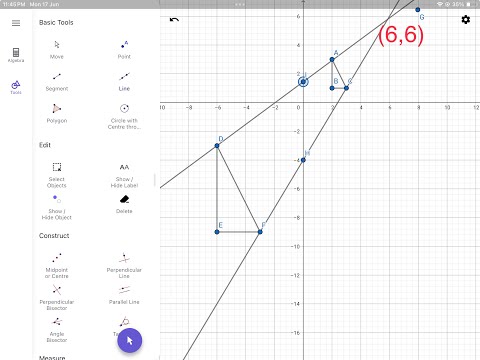
If you do not have a tracing paper, how will you find t...
Find the method of how to find a centre of rotation of ...
I have create a free interactive sheet for those who wi...
All of our participants attend international schools. B...
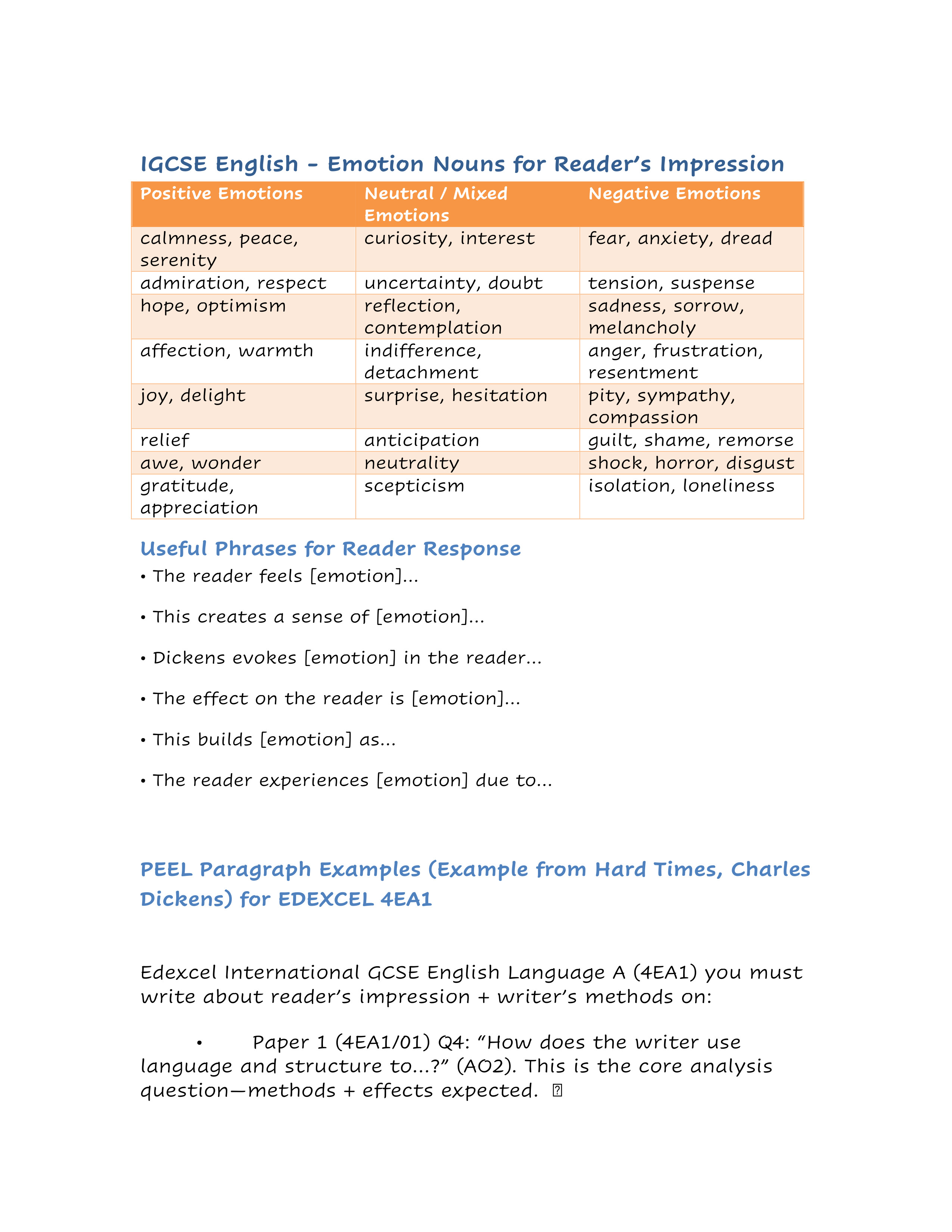
How to use precise emotive nouns (e.g. tension, admirat...
A comprehensive guide to prepare for your CIE 0500 Engl...
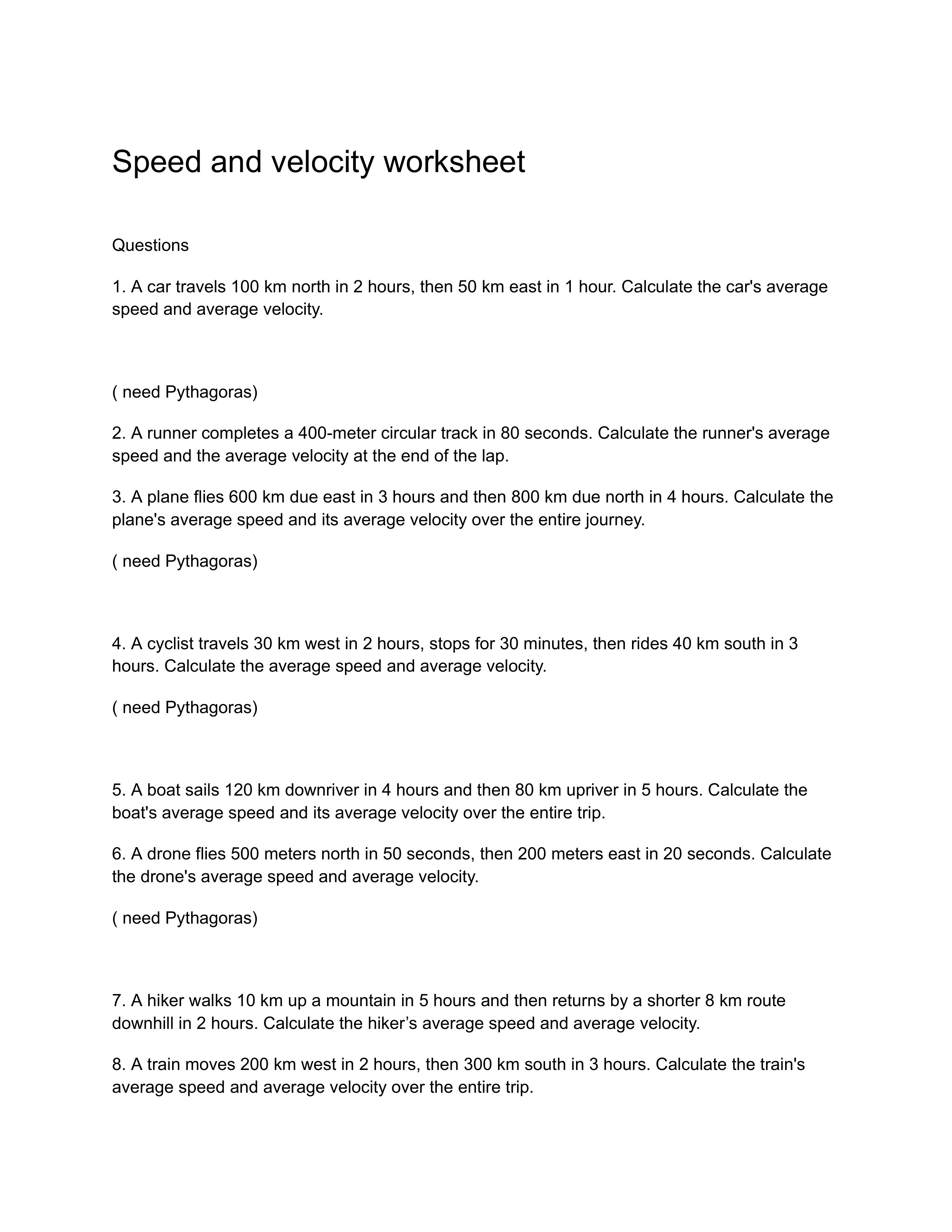
try some exercise on moment. O vary unit, distance and ...
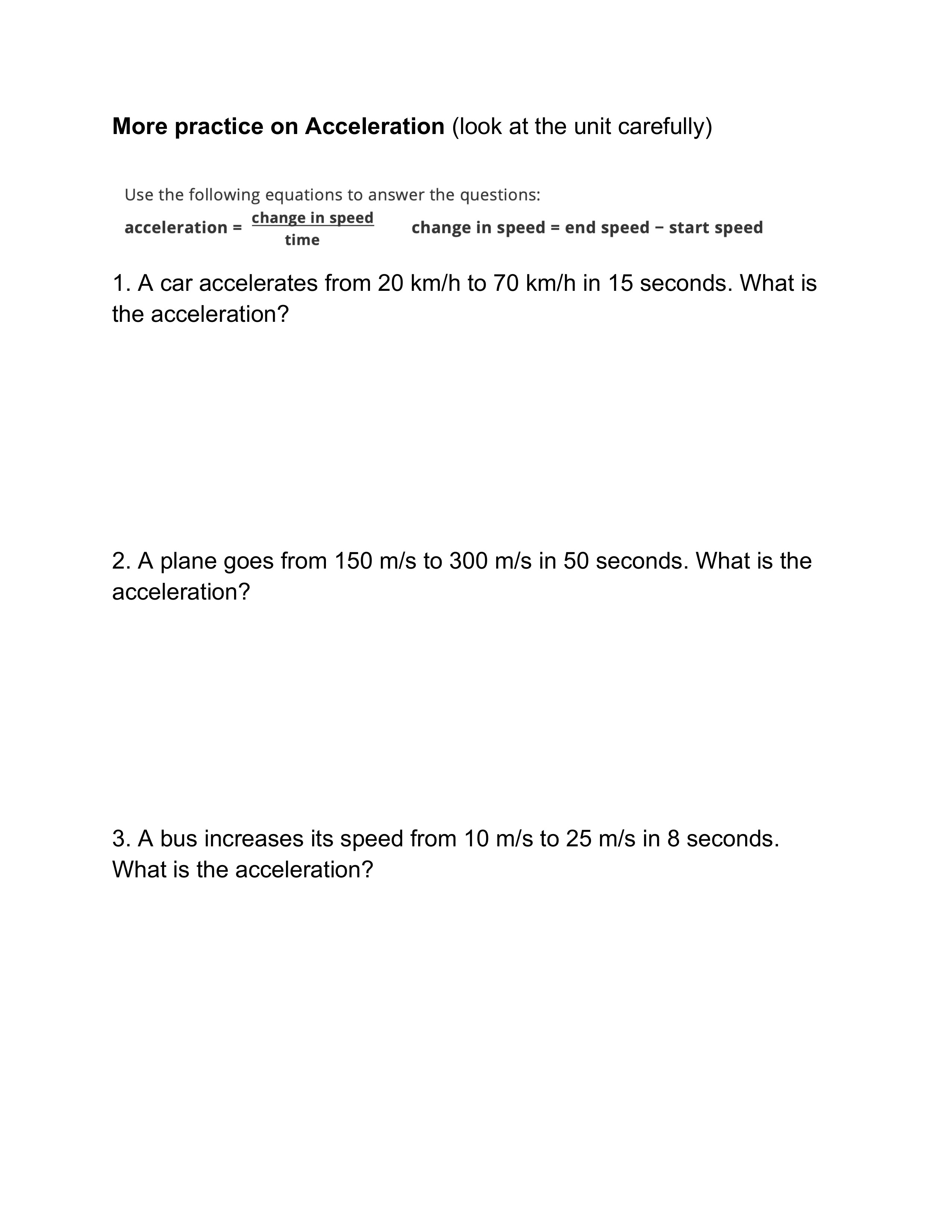
Practice calculating acceleration in unit m/s^2 . Make ...
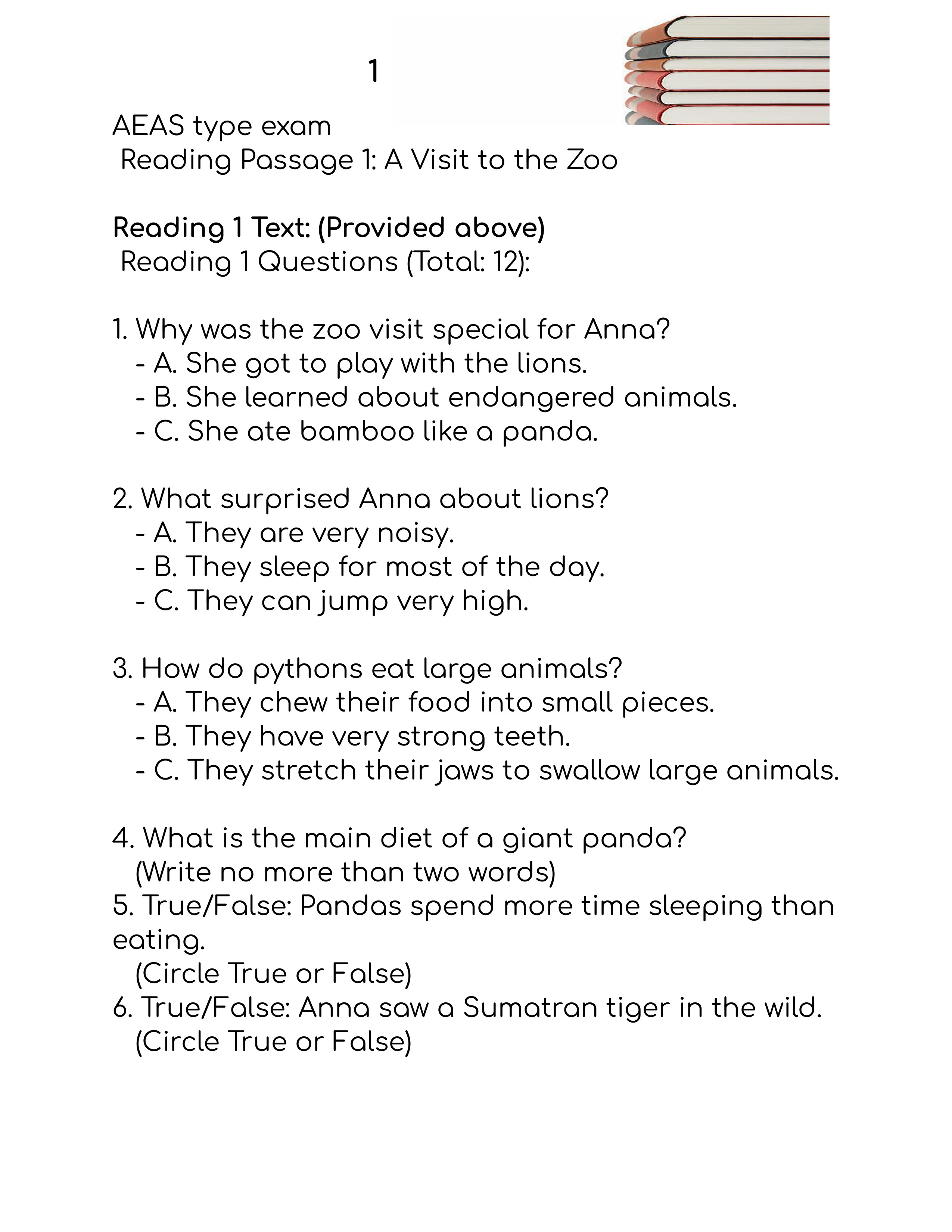
practice your reading skills so that you understand the...
this exercise is separated, because it focuses more on ...
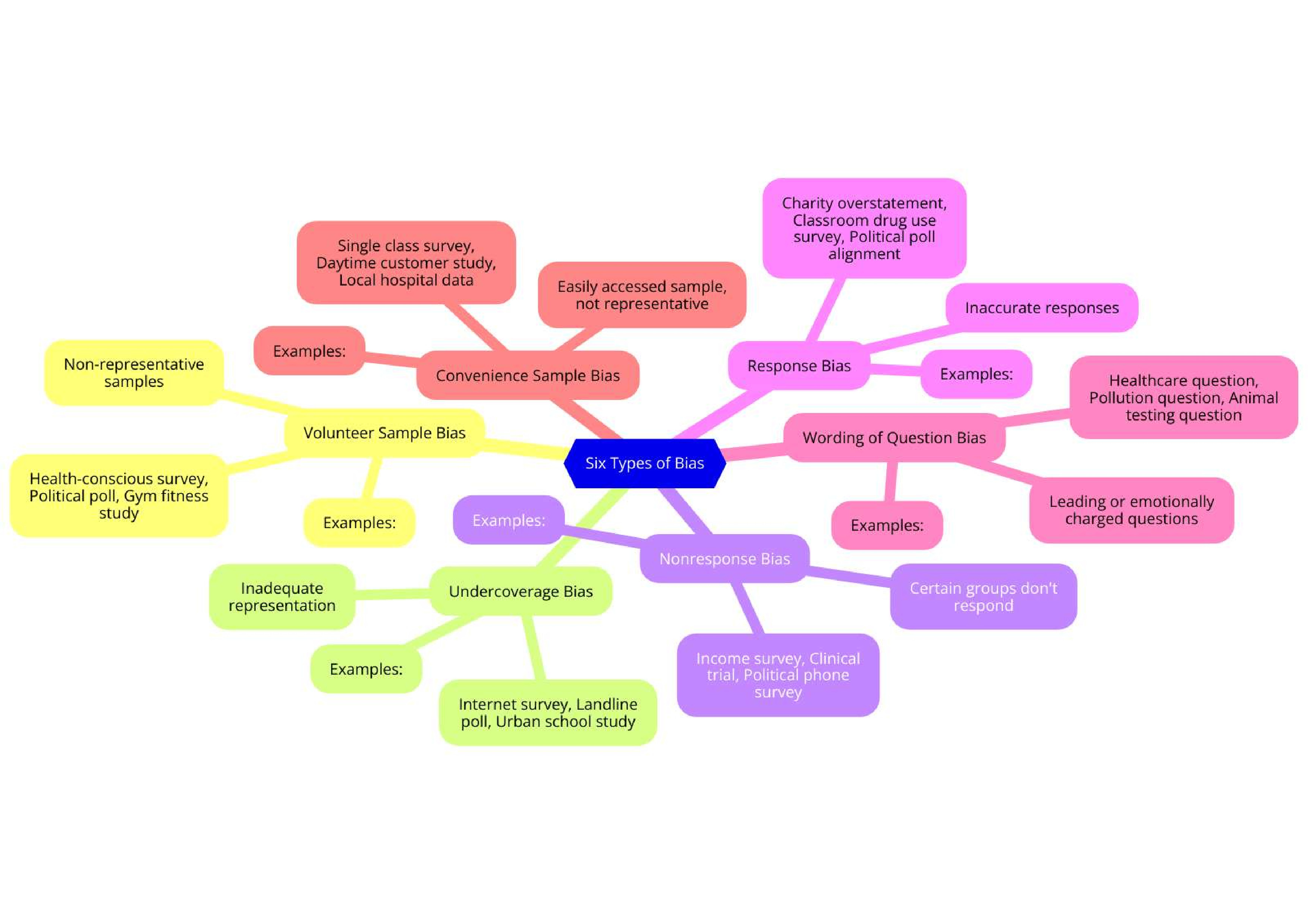
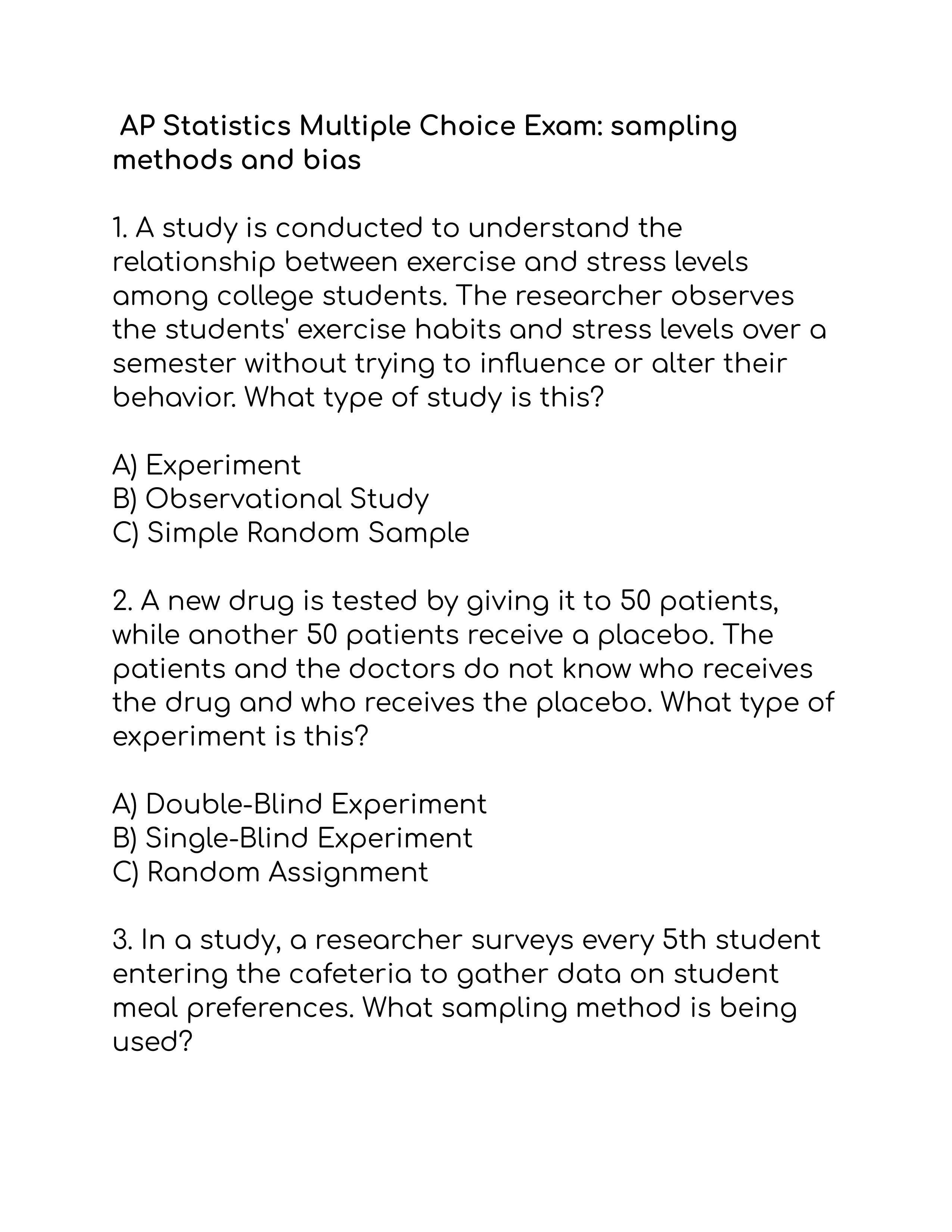
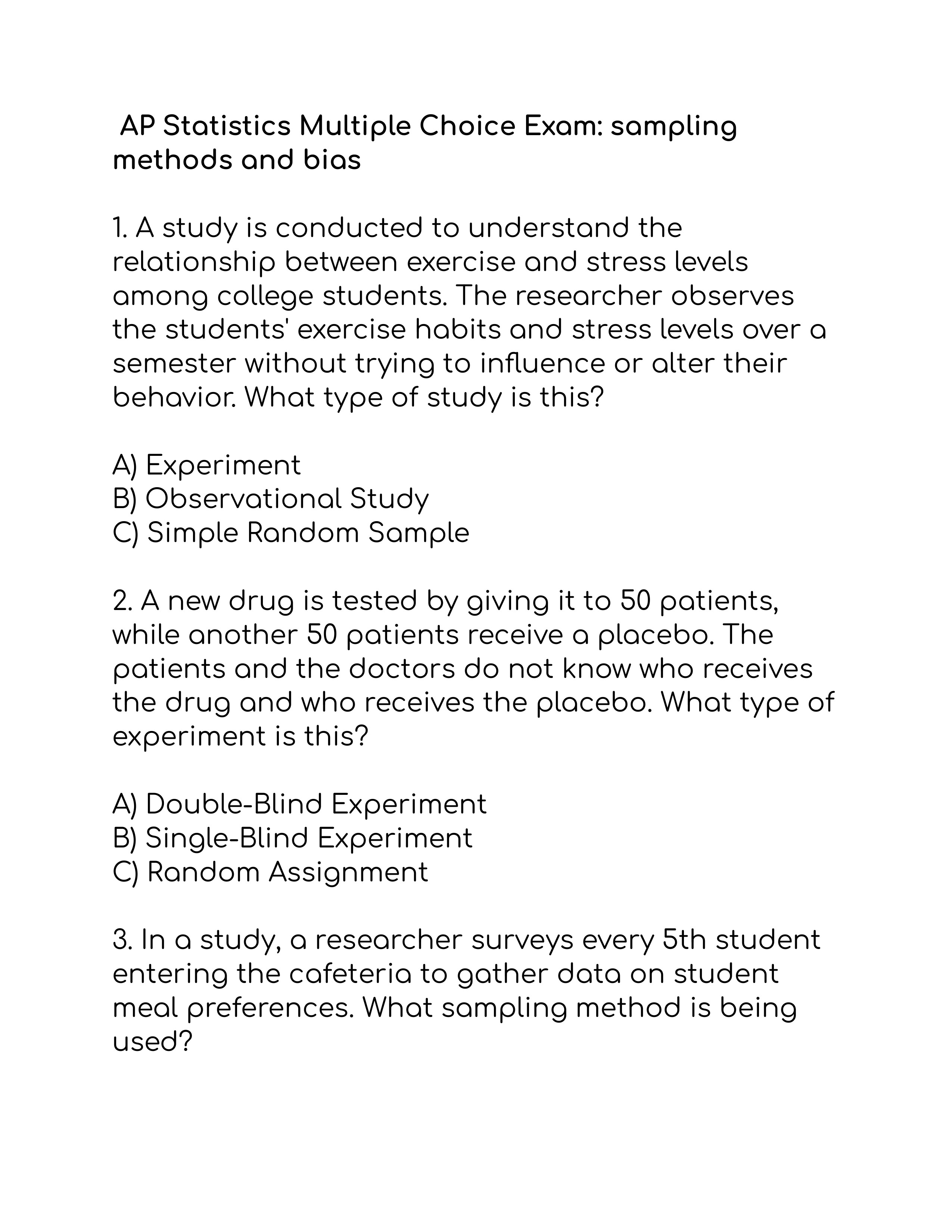
Test your knowledge with 25 multiple choices of samplin...
Test your knowledge with 25 multiple choices of samplin...
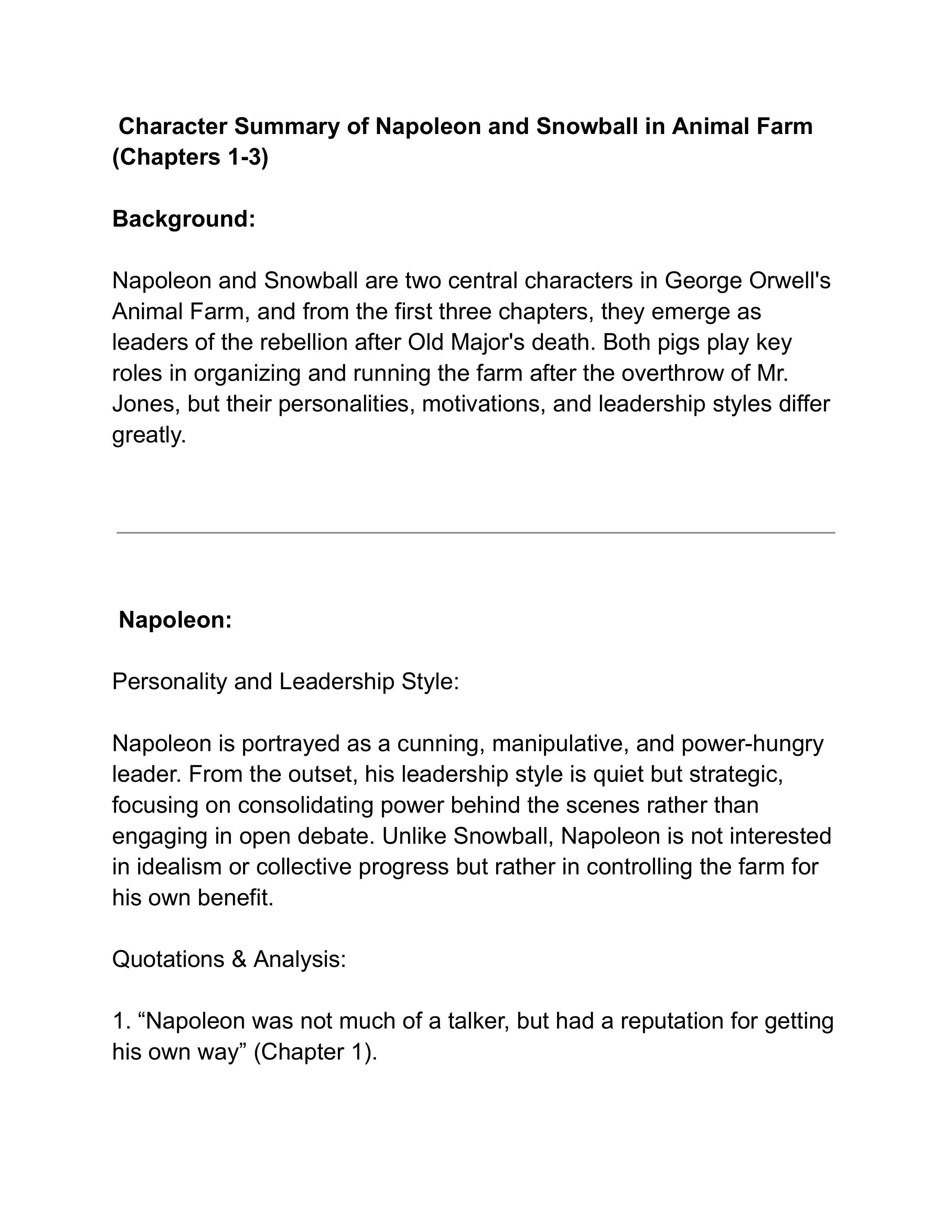
A 1 page note for student who start reading The Animal ...
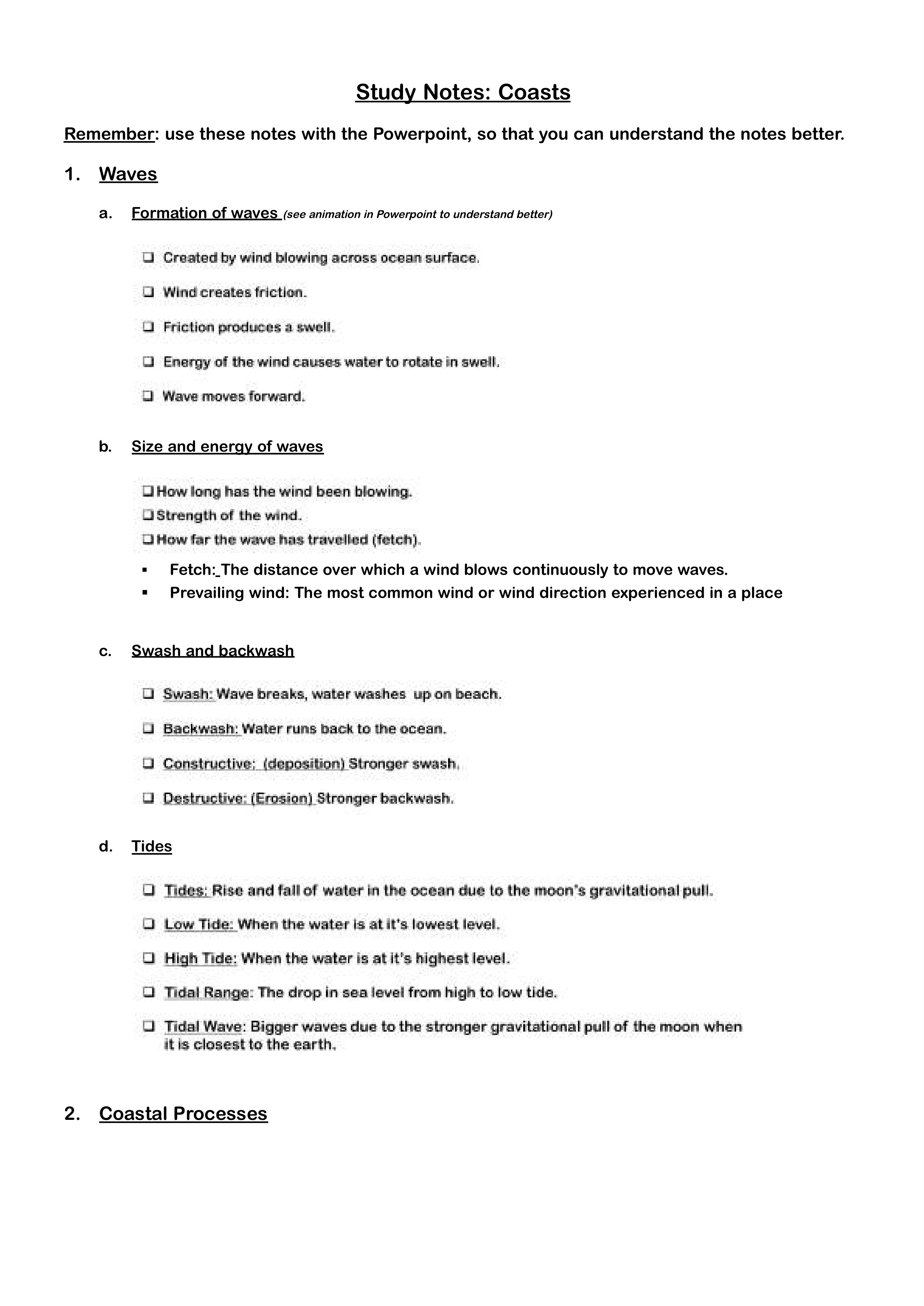
Summary of Geography, Coastal Landscape, from waves, fo...
past paper question in 2022, example of how the answer ...
Use in combination with the slide (PPT) on Asia free on...
interactive worksheet free for Myprivatetutor -audio l...
Prepare the general knowledge of those who will sit MAP...
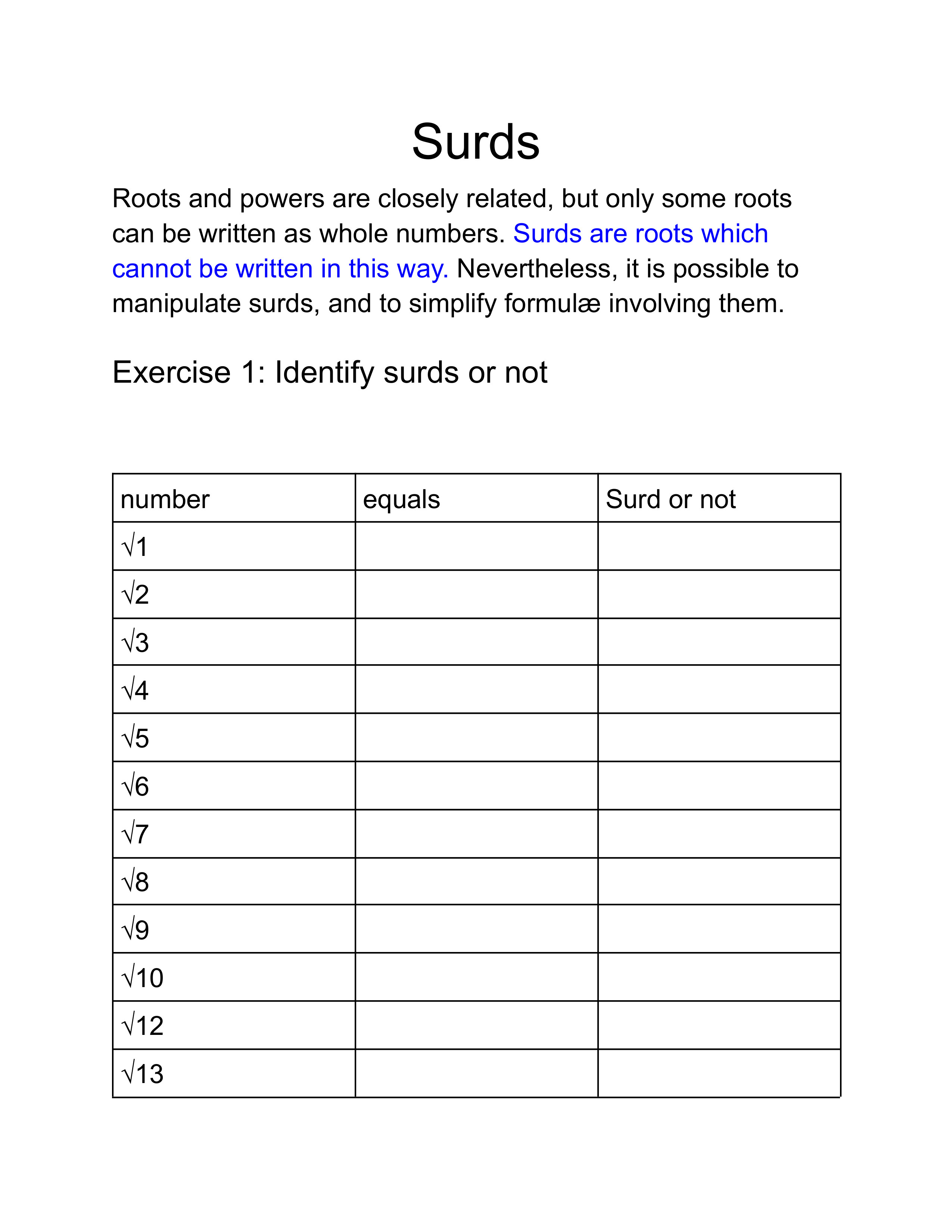
make learning surds become much easier. try this worksh...
Let's recap to make yourself confident and less confuse...
This pdf outlines what Grade 8 students need to know ab...
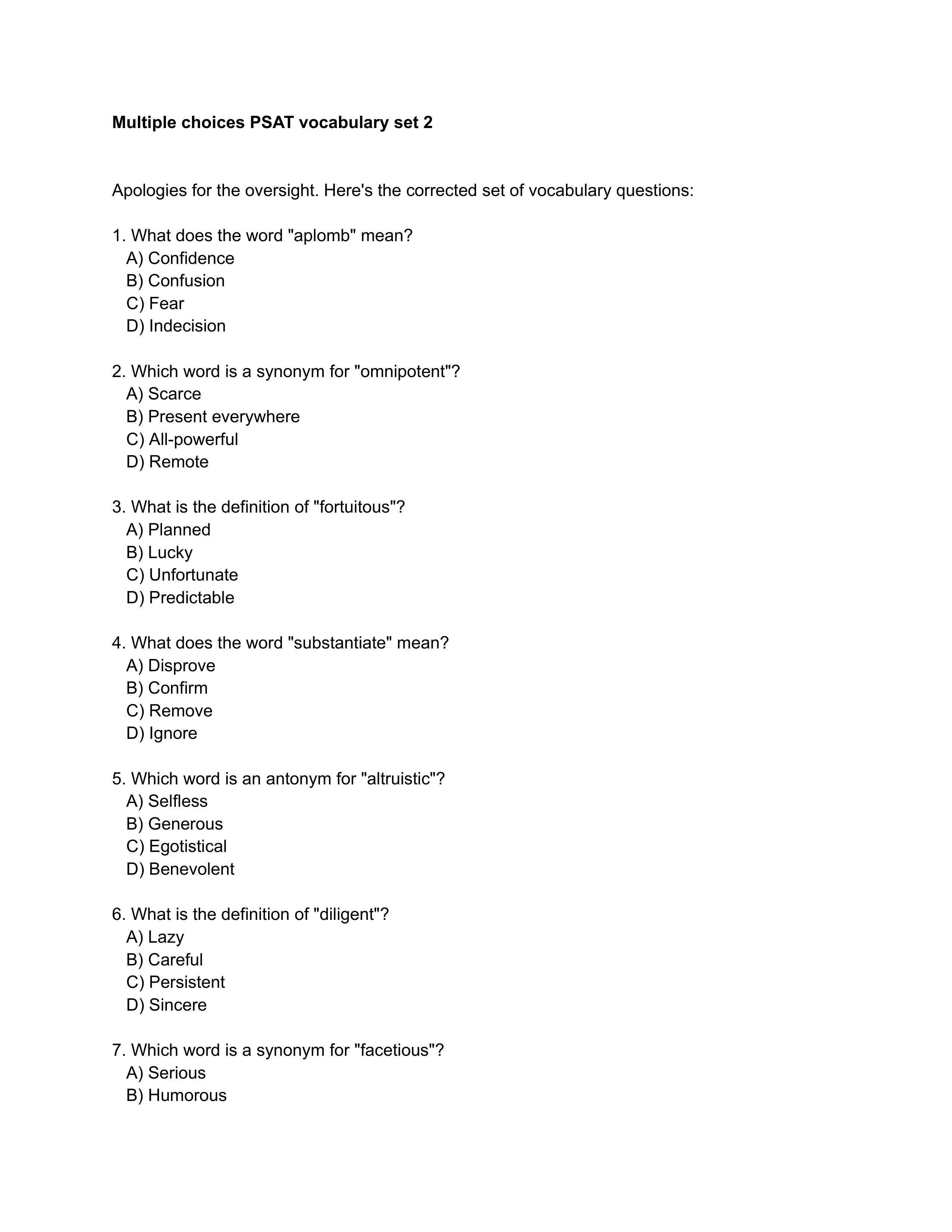
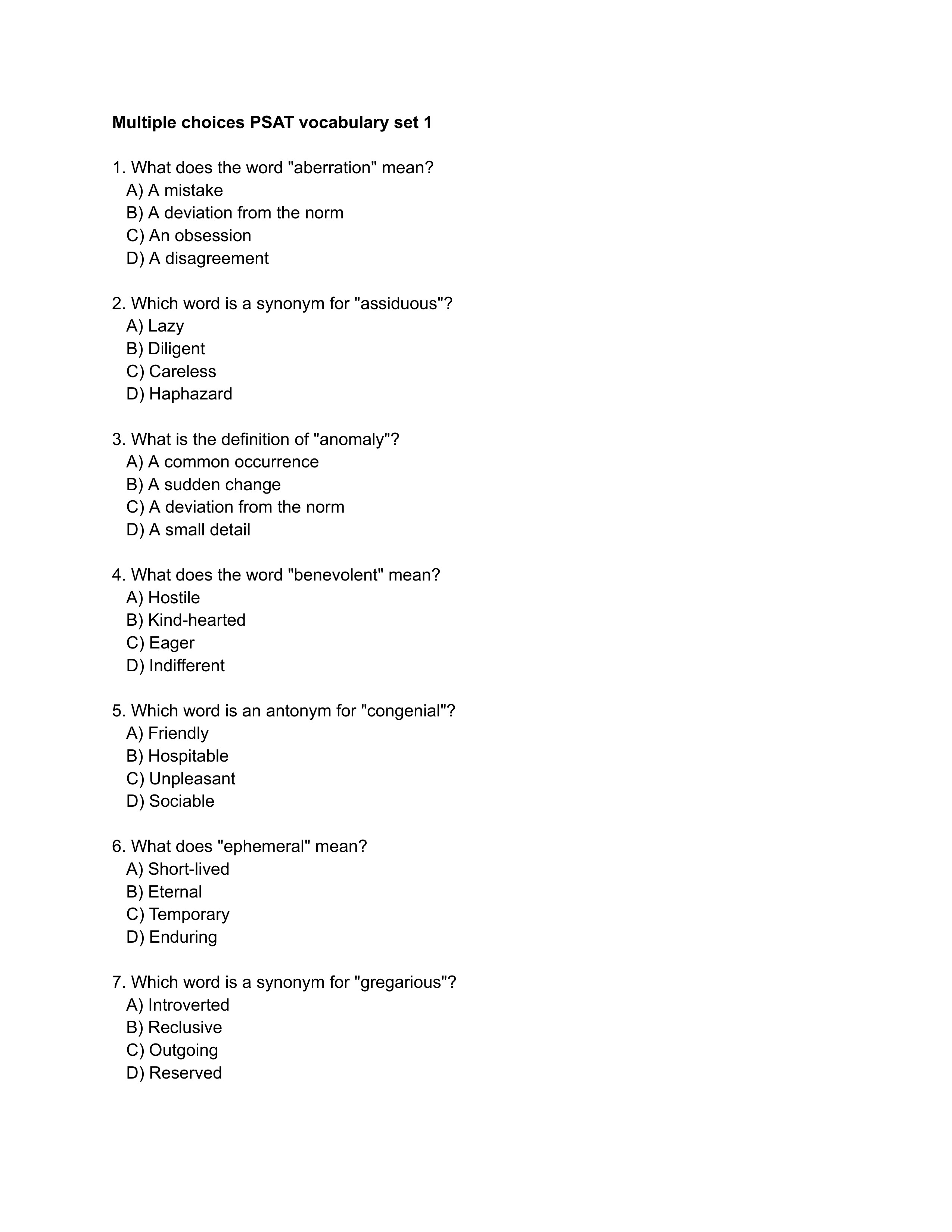
Let's boost your PSAT vocab! Join us for quick exercise...
"Test your vocabulary skills for the PSAT English exam!...
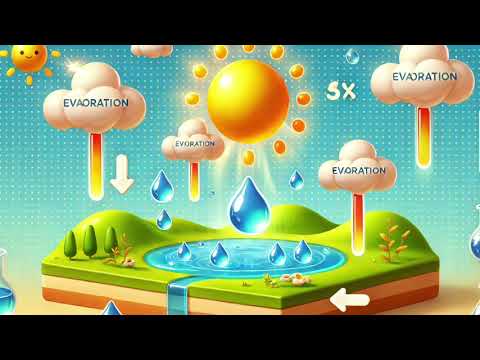
Hey Grade 8 students! Ever wondered why the weather cha...
Hey Grade 8 students! Ever wondered why the weather cha...
Hey Grade 8 students! Ever wondered why purity matters ...
Hey Grade 8 students! Ever wondered why purity matters ...
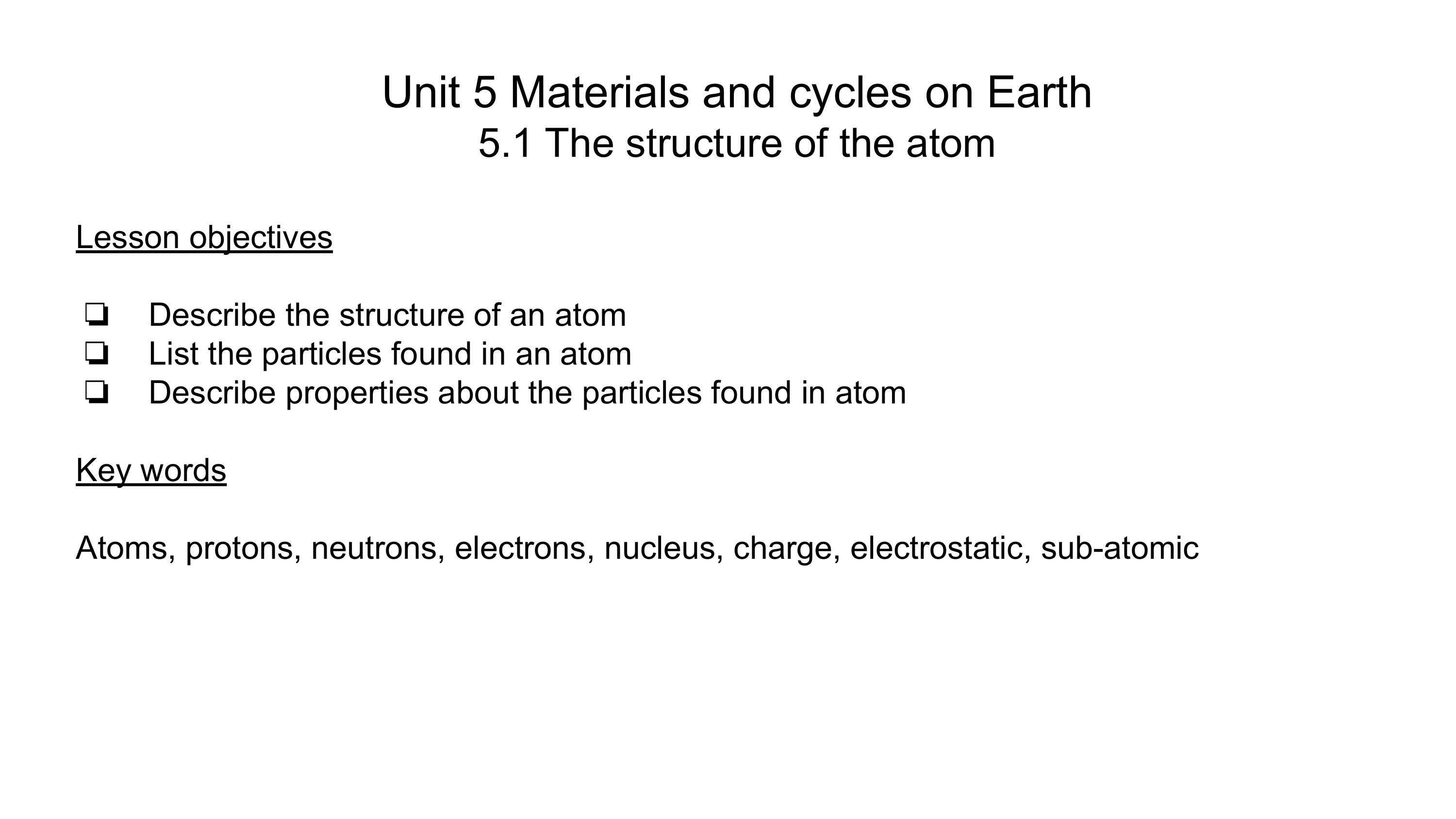
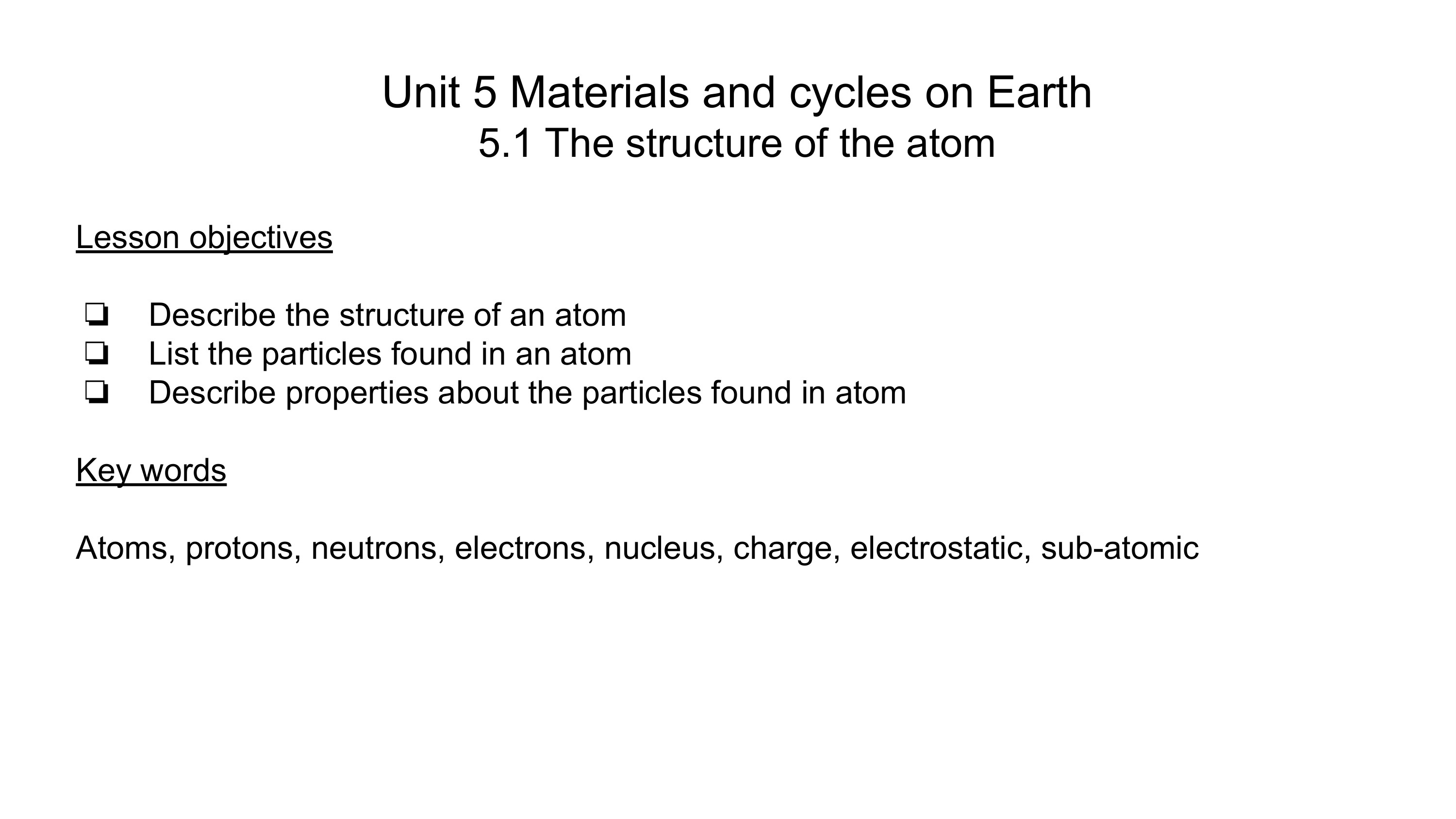
Prepare to unravel the secrets of the atom as we explor...
Prepare to unravel the secrets of the atom as we explor...
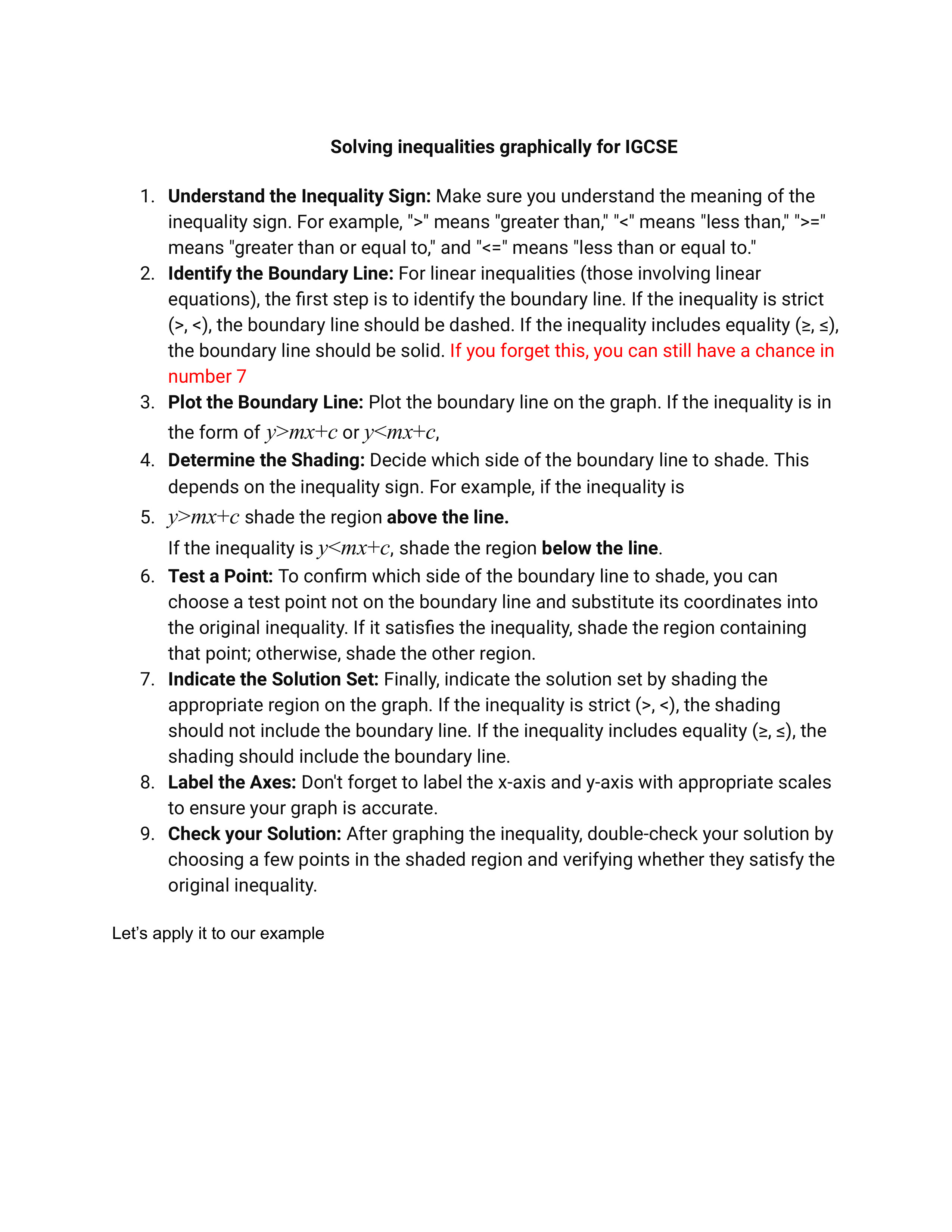
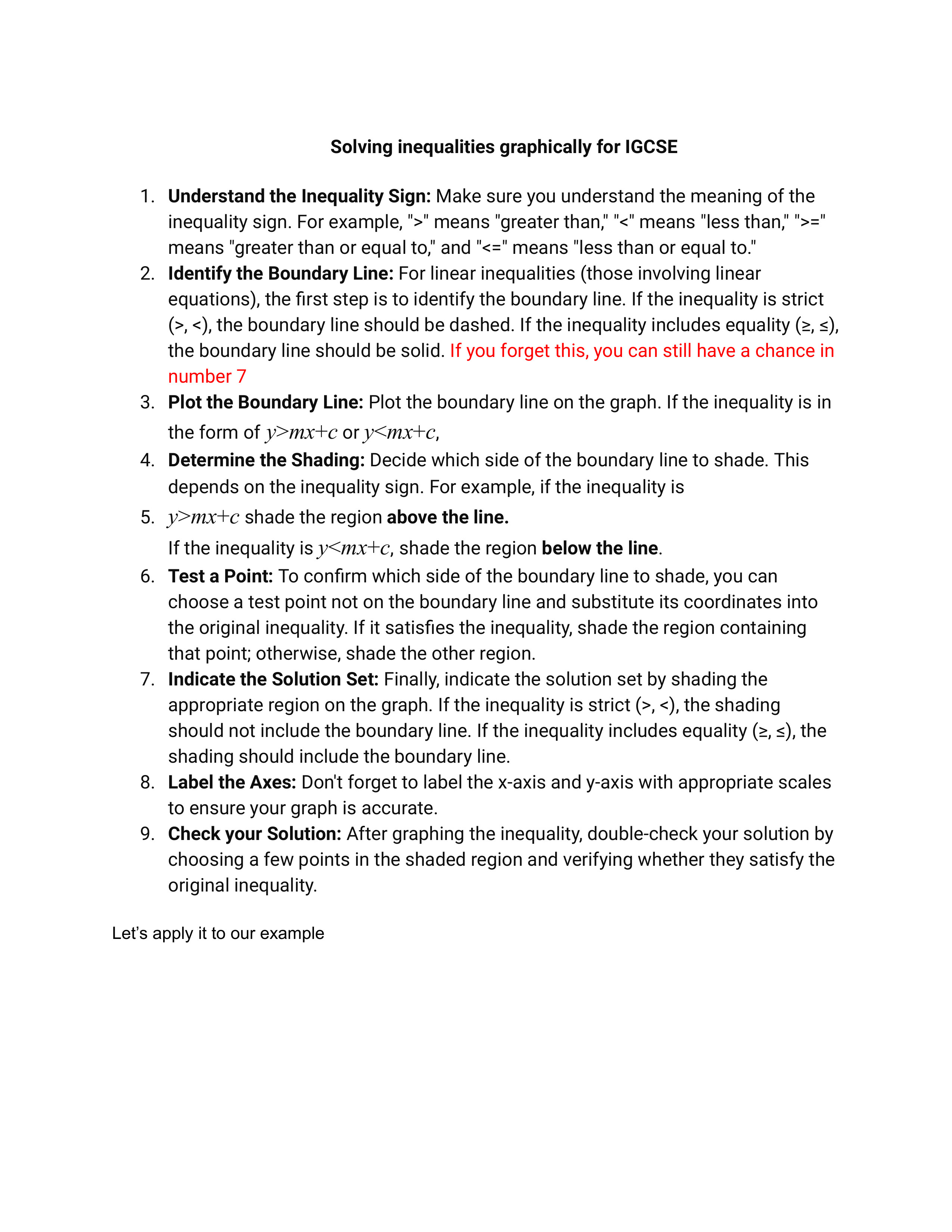
Diveinto the fascinating world of linear inequalities! ...
Diveinto the fascinating world of linear inequalities! ...
Learn about English History (Grade 7, Year 8) on What d...
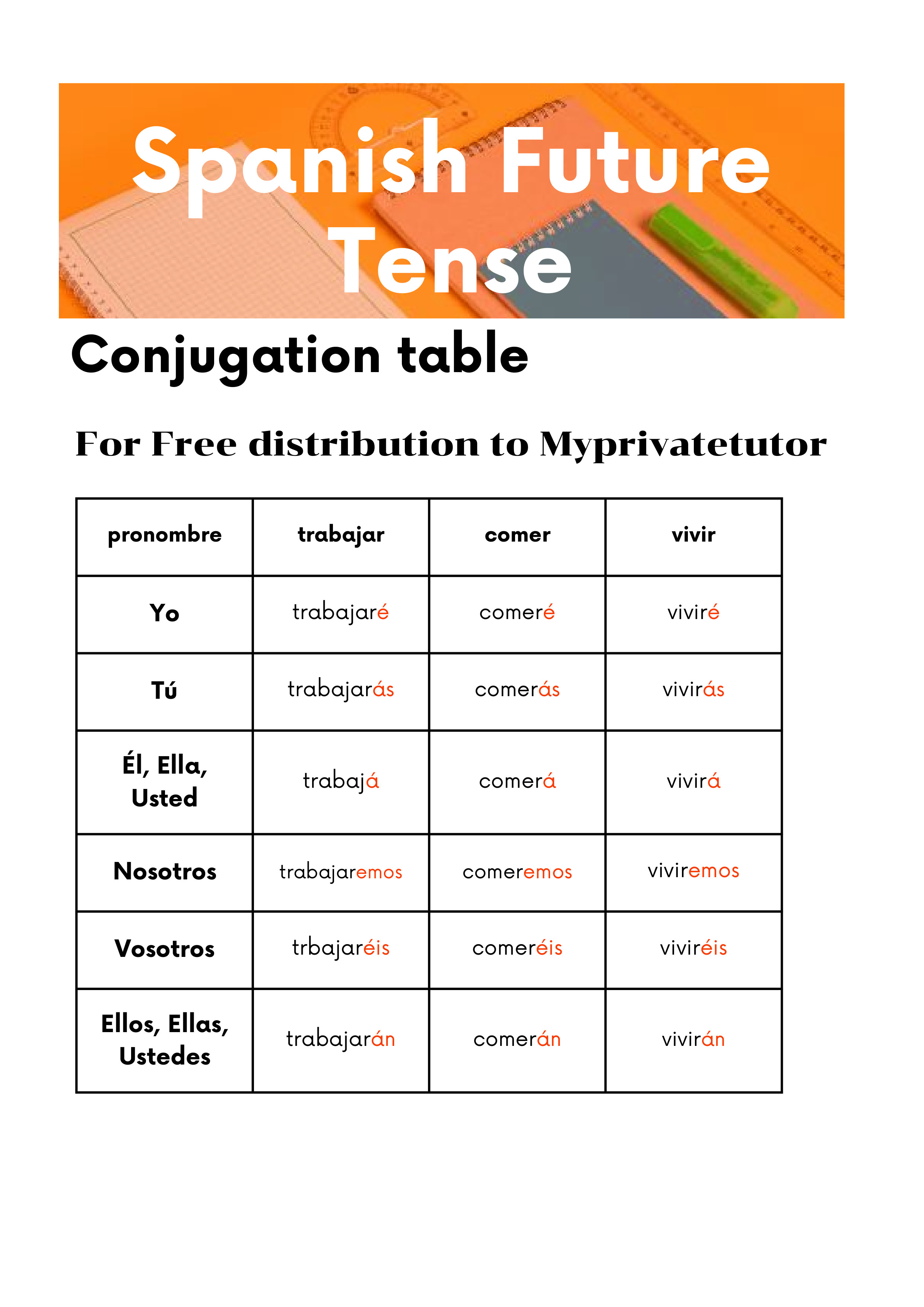
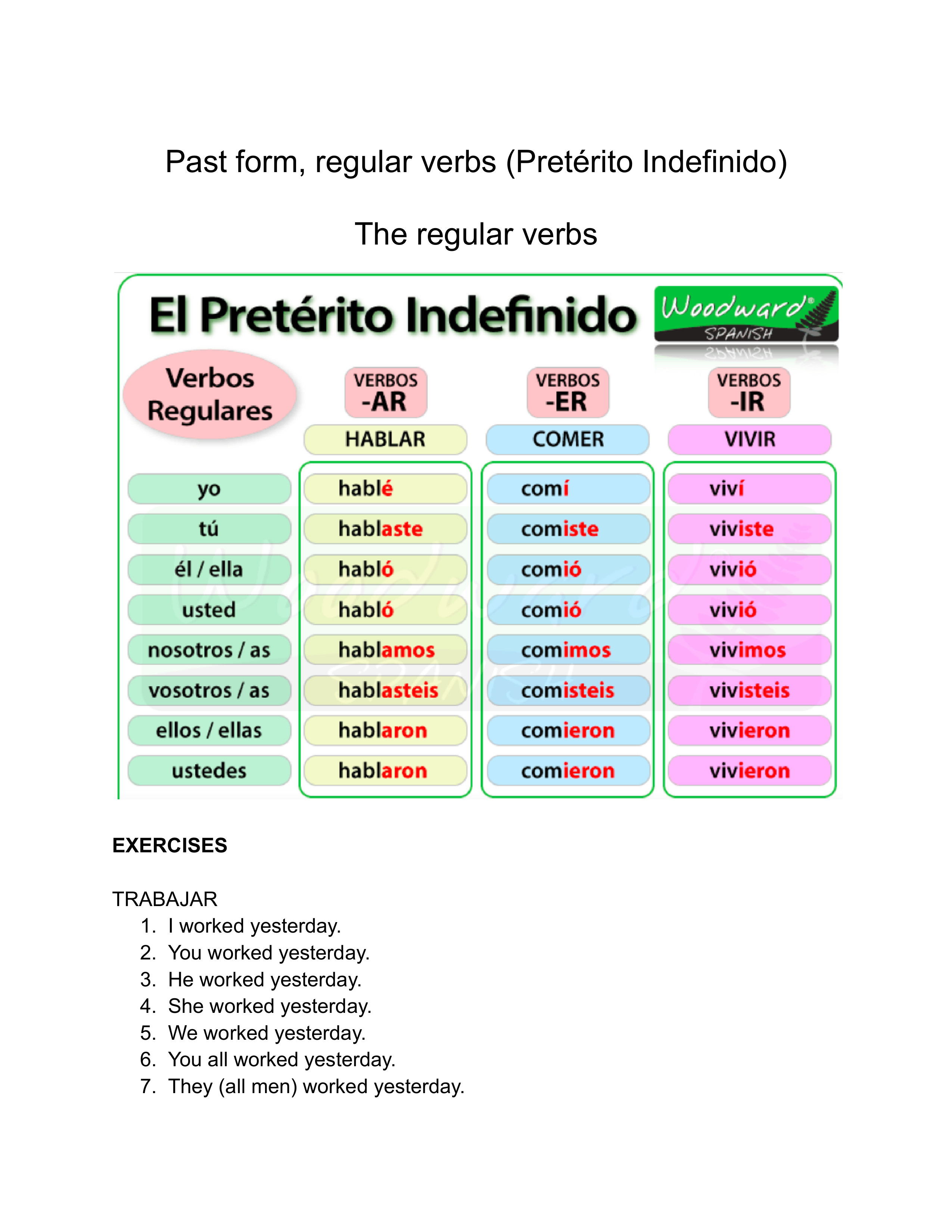
Make a good habit of conjugating the simple past tense ...
Learn how to use them and do some basic exercises, with...
See the difference of these exams so yku can decide wha...
Reading and Grammar SAT, and PSAT. From Grade 9- 12
I focus on three key areas in teaching SAT Language exam strategies: time management, test-taking skills, and guessing strategies. (1) Time Management: I train students to practice with timed sections, teaching them to balance speed with accuracy by skimming passages and prioritizing questions. (2) Test-Taking Skills: I guide students in understanding question types, identifying distractors, and using process of elimination to improve accuracy. (3) Guessing Strategies: I encourage educated guessing by eliminating improbable options, emphasizing that it’s better to guess than leave an answer blank.
(1) Stay Updated: Regularly review official updates and materials from the College Board and ACT to stay informed about any changes in the test format and content. (2)Use Official Resources: Incorporate official practice tests and questions into my lessons to provide students with the most relevant and accurate practice. (3) Feedback and Adaptation: Gather feedback from students who have recently taken the tests to adjust my lessons based on their experiences and the latest test trends.
My teaching methodology for SAT or ACT Language lessons is personalized and adaptive: (1)Diagnostic Assessment: Start with a diagnostic test to identify strengths and weaknesses. (2)Personalized Plans: Create tailored study plans targeting specific needs. (3)Interactive Lessons: Use varied instructional techniques to cater to different learning styles. (4)Regular Feedback: Provide ongoing feedback and adjust strategies based on progress. (5)Skill Building: Focus on core skills and test-specific strategies like time management and guessing.
Objective: Learn strategies to revise sentences and paragraphs for clarity and correctness. Duration: 45 minutes Warm-Up (5 minutes) (1)Review common grammar and style issues. Quick quiz to assess understanding. Introduction (5 minutes) (2)Discuss the importance of clarity and coherence. Explain the types of related questions on the SAT. Guided Practice (15 minutes) (3)Analyze example questions. Highlight strategies like eliminating wordiness and correcting grammar. Practice (15 minutes) (4)Complete practice questions individually. Apply discussed strategies. Review and Feedback (5 minutes) (5)Discuss answers Provide individual feedback and address questions. (6)Homework: Assign additional practice questions. Write and revise a short paragraph using learned strategies.
I assess a student's English language proficiency level using: *(1)Diagnostic Tests: Gauge reading, writing, and grammar skills. (2)Writing Samples: Evaluate essays to identify strengths and weaknesses. *(3)Reading Exercises: Assess comprehension and analytical abilities. (4)Interviews: Check speaking and listening skills. *(5)Ongoing Assessments: Monitor progress through quizzes and participation. * My preference
(1)Official SAT Prep Books: Practice tests and questions for familiarity. (2)Grammar and Writing Guides: Resources covering rules and techniques. (3)Reading Passages: Selections from literature and articles. (4)Online Resources: Interactive platforms and videos. (5)Supplementary Materials: Flashcards, exercises, and prompts.
(1)Modeling: Provide examples and demonstrate writing techniques. (2)Guided Practice: Offer structured activities with feedback. (3)Writing Prompts: Inspire creativity and critical thinking. (4)Revision Techniques: Teach editing for clarity and coherence. (5)Feedback: Provide personalized feedback on students' writing.
(1)Direct Instruction: Explain rules and word meanings. (2)Contextual Learning: Use real-life situations for understanding. (3)Repetition and Practice: Reinforce learning through activities. (4)Integration: Connect lessons to reading, writing, and speaking tasks.
Yes, I offer mock exams for students to practice.
I teach students to write well-structured essays by: (1)Understanding the prompt. (2)Crafting a strong thesis statement. (I've created a PowerPoint on the website for this.) (3)Creating an outline for organization. (4)Writing an engaging introduction. (5)Structuring body paragraphs with evidence and analysis. (6)Summarizing key points in the conclusion. (7) Revising and editing for clarity and grammar. (8) Figurative language and tone
(1)Modeling correct patterns. (2)Practice drills and exercises. (3)Providing feedback on errors. (4)Recording and self-evaluation. (with student´s permission) (5)Interactive tools for practice.
(1)Active Listening: Encourage focused attention and effective note-taking (2)Pre-listening Activities: Prepare for tasks, especially vocabulary (3)Diverse Listening Materials: Include dialogues, lectures, etc. (4)Comprehension Checks: Assess understanding. (5)Inference: Help infer meaning from context. (This is more effective when read the script)
(1)Setting Clear Goals: Establish achievable objectives together, from the start, and revisit from time to time (2)Celebrating Progress: Recognize and celebrate small victories. (3)Personalized Learning: Tailor lessons to match interests and styles. This is key to my method (4)Encouraging Autonomy: Empower students to take control of their learning. (5)Providing Positive Feedback: Offer constructive praise for effort and progress. (6)Engaging Lessons: Design interactive and dynamic activities. Also ubiquitous in my lesson Supportive Environment: Foster a safe and inclusive classroom atmosphere.





 学歴
学歴
 学習教材
学習教材







 あなたへの質問