 Request a Tutor 家庭教師になる
Pretoria, 南アフリカ
Meet The Professor, your distinguished Mathematics Tutor from Pretoria. Professionalism and accountability are central to my teaching ethos. I ensure punctuality, maintain high sta... 続きを読む
In my teaching practice, I prioritize planning, preparing, and presenting mathematics lessons that are engaging and challenging. These lessons are designed to inspire curiosity and... 続きを読む

Tshwane University of Technology
This document revises sections based on Statistics and ...
I use a combination of visual aids, interactive tools, and step-by-step problem-solving techniques. For example, I often incorporate diagrams, graphs, and real-world scenarios to help students visualize abstract concepts. I also employ the Socratic method to encourage critical thinking by asking guided questions. For instance, when teaching algebra, I relate equations to practical situations like budgeting, making it easier for students to grasp the relevance of the subject.
Yes, I have extensive experience with platforms like Zoom, Google Meet, and Microsoft Teams. I use interactive tools such as virtual whiteboards, screen sharing, and apps like Desmos and GeoGebra for visual demonstrations. My preferred method of communication with students is a combination of video calls and instant messaging via platforms like WhatsApp or Google Classroom for follow-ups and quick clarifications.
I am particularly skilled in teaching algebra, number patterns, calculus, statistics, probability, trigonometry, financial mathematics, functions and geometry, as well as preparing students for standardized tests. To stay up-to-date with curriculum changes, I regularly review updates from educational boards, attend professional development workshops, and participate in online math forums and educator groups. For example, I recently adapted my teaching to include new approaches to data analysis introduced in the curriculum.
I maintain open and regular communication with parents through monthly progress reports, emails, or parent-teacher meetings. During these interactions, I provide specific feedback, highlight strengths, and discuss areas for improvement. For instance, I recently worked with a parent to create a personalized study plan for their child, who was struggling with fractions, which resulted in noticeable improvement.
Yes, I provide tailored practice worksheets, access to online tutorials, and recommend apps or websites for additional practice. For example, I often create interactive quizzes on platforms like Kahoot to make learning engaging and reinforce concepts covered in lessons.
I assign homework that reinforces the day’s lesson and encourages independent thinking. To ensure students understand the material, I review homework during the next session, address any errors collaboratively, and provide similar problems to solidify their understanding. For instance, when teaching trigonometry, I might assign real-world application problems like measuring heights of objects using angles and discuss solutions in detail.
I assess each student's preferred learning style—whether visual, auditory, or kinesthetic—through observation and direct discussion. I then tailor my teaching methods accordingly. For example, with a visual learner, I use graphs, charts, and visual aids, while for an auditory learner, I emphasize verbal explanations and encourage discussions.
Yes, I have experience teaching students with ADHD and dyscalculia. I use strategies such as breaking down tasks into smaller, manageable steps, incorporating hands-on activities, and providing frequent breaks to maintain focus. For example, I worked with a student with dyscalculia by using manipulatives and visual aids like number lines and gradually transitioned to abstract problem-solving as their confidence grew.



 学歴
学歴
 学習教材
学習教材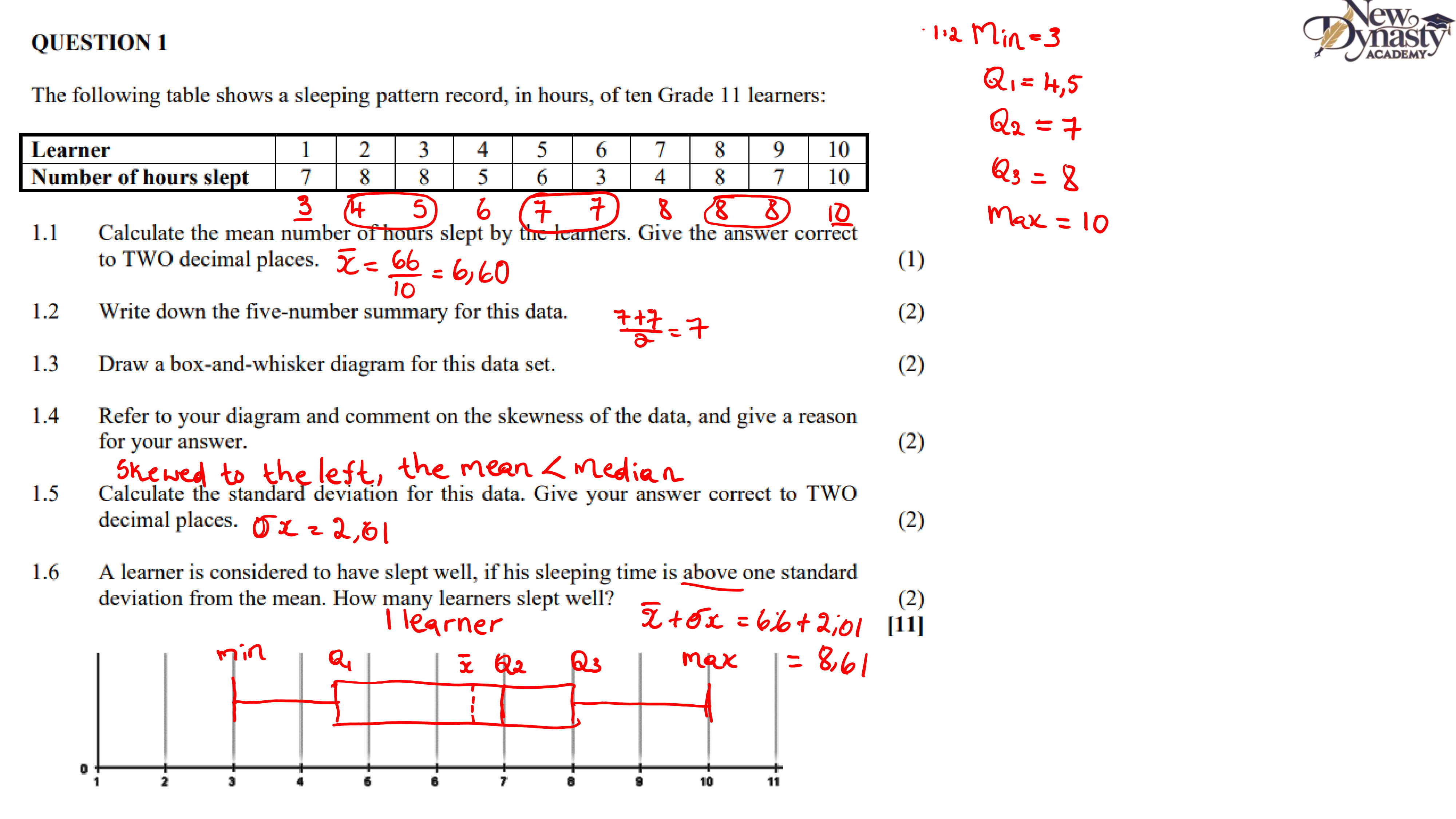


 あなたへの質問