 Request a Tutor 家庭教師になる
Amsterdam, オランダ
• Former Senior Tutor at Athena Studies & currently Quantitative Risk Specialist at a big bank
• Extensive experience in large group lectures & private tutoring.
• Previously rate... 続きを読む
My teaching style focuses on identifying exactly where you struggle, then guiding you through the "WHY" behind the concept and the "HOW" to apply it in real examples with clear VIS... 続きを読む

Utrecht University
Utrecht University
This is the summary of terminology that was introduced ...
I prepare students for economics exams by following the official course manual, lecture slides, and tutorials for that year, so they study exactly what matters. I also drill past exam questions to build familiarity and confidence. On top of that, I explain concepts through real examples from my experience working in major banks, helping students truly understand the intuition behind the theory.
I bring ethics into economics lessons by helping students see the real-life impact behind each concept. We look at who benefits, who might be disadvantaged, and how policies affect fairness and inequality. I use real cases from the finance industry to show how incentives, regulation, and decisions can create ethical dilemmas. This helps students think critically, not just follow formulas, and understand the responsibility that comes with economic choices.
I make application a core part of learning. By consistently linking theory → intuition → real example → practical tip, learners naturally carry the skills into their studies, careers, and personal decisions.
I’m particularly interested in current issues like high inflation, the FED’s interest rate decisions, global tensions, U.S. trade tariffs, and rising unemployment. I bring these topics into lessons by using them as real-time case studies to explain core economic concepts. For example, inflation helps illustrate monetary policy and purchasing power; FED rate hikes show how central banks stabilise the economy. By tying theory directly to what’s happening in the world, students understand the material faster and see why economics genuinely matters.
I don’t push any specific path—I simply give practical advice, share resources, and help students choose what fits their goals and strengths.
Total duration should be around 6-8 hours, number of sessions depends on the students' needs
I bring local and regional issues into lessons by comparing how different areas are affected by global economic forces. For example, I look at how inflation, interest-rate changes, or trade tensions play out in the EU, the U.S., or Asia, and what that means for local labour markets, prices, or industries. By linking global trends to regional impact, students see how economic theory applies to the places they actually live and care about.
I create plenty of space for students to speak up by encouraging open discussion and letting them raise their hands anytime they want to ask a question. I pause regularly to check for understanding, invite opinions, and make sure everyone feels comfortable jumping into the conversation. This keeps the session interactive and student-focused.
All the topics that are required for the exams



 学歴
学歴
 学習教材
学習教材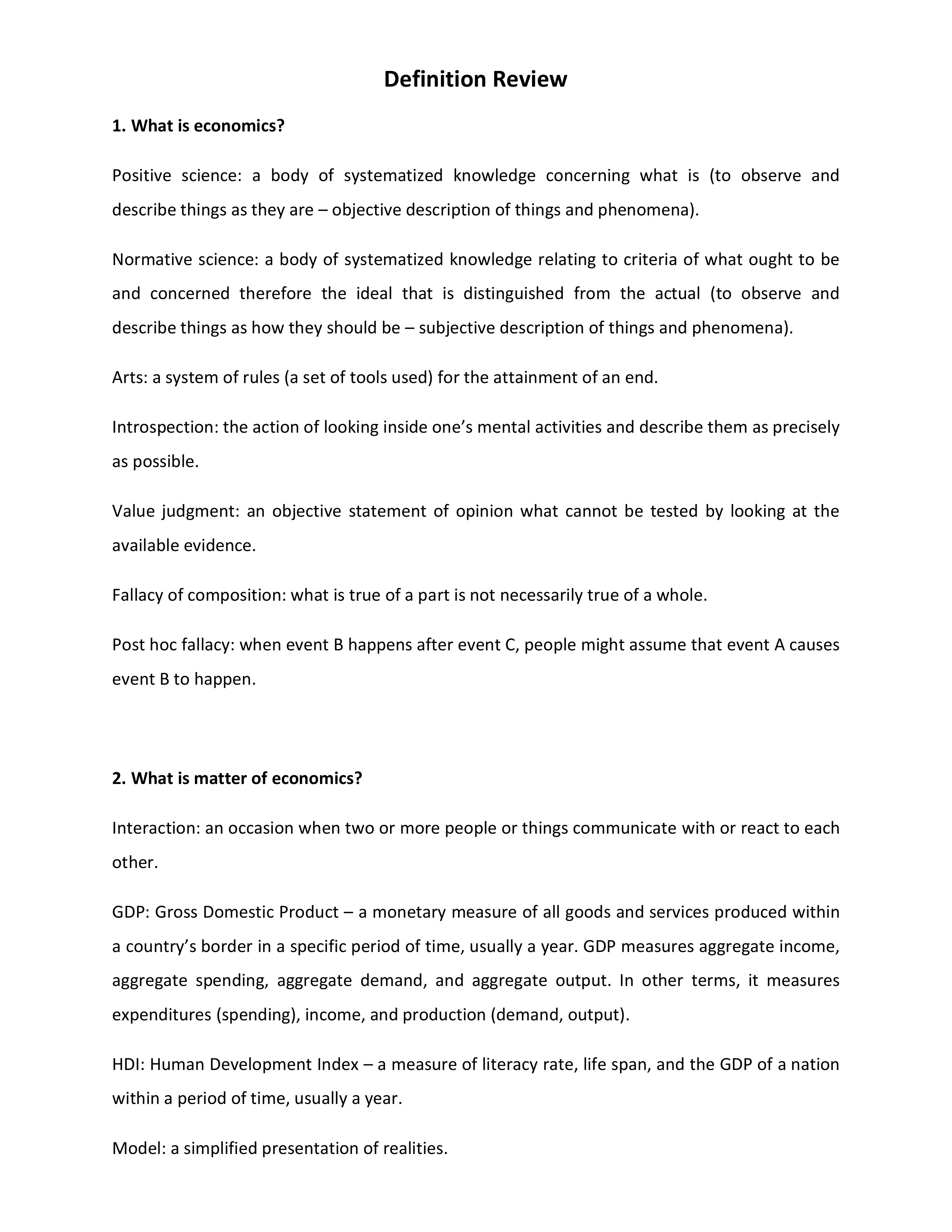


 あなたへの質問