 Request a Tutor Become a Tutor
Nakhon Ratchasima, Thailand
Please watch my video to learn more about me and my teaching approach.

Today in 2025, I am an expert ESL coach with a 100% focus on YOU ONLY & YOUR GOALS. I have my own pronunciation correction techniques & skills in helping you to learn new words, im... Read more
My focus is on 30-60 minute, structured lessons that are CUSTOM-TAILORED to your goals, challenges, learning, and work that is important to your personal development with English. ... Read more

Masters Institute
Northern Virginia Community College
my TEFL
myTEFL
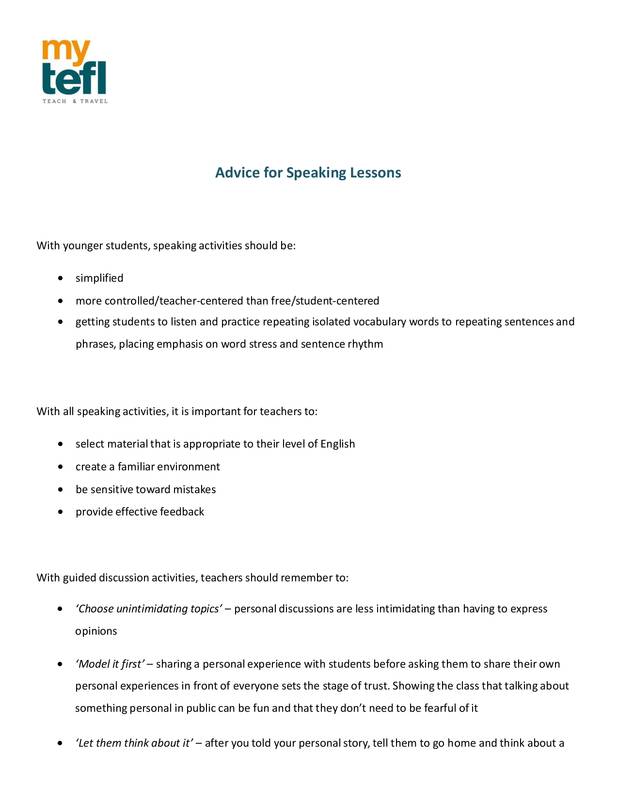
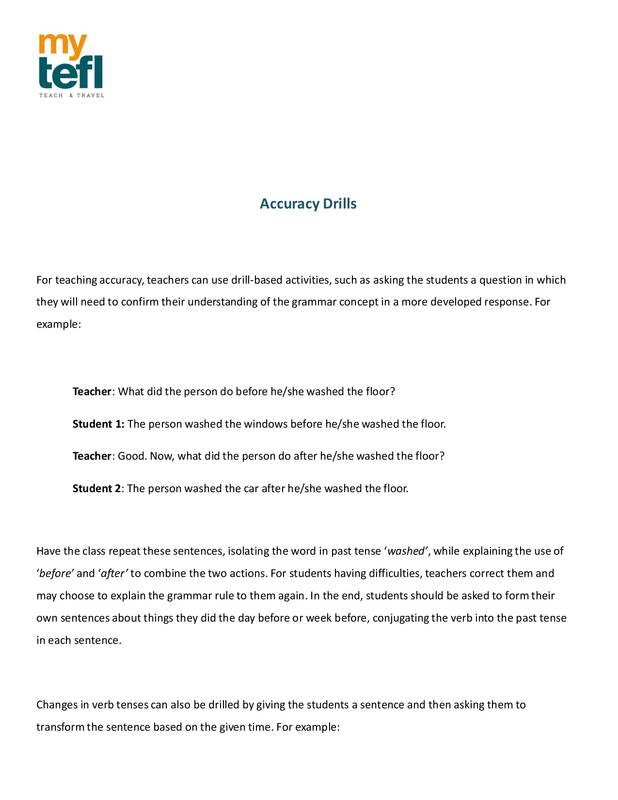
Another lesson from my personal Master TEFL training - ...
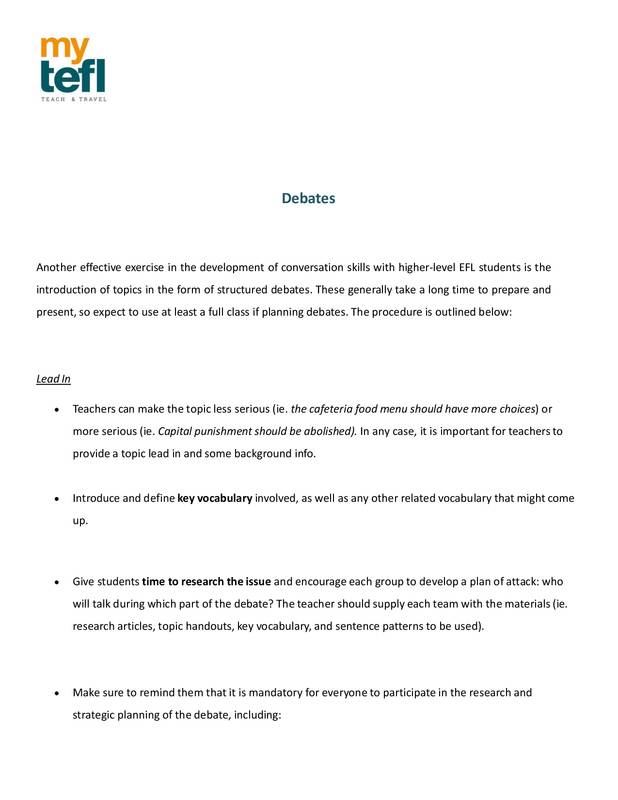
Another lesson from my personal Master TEFL training - ...
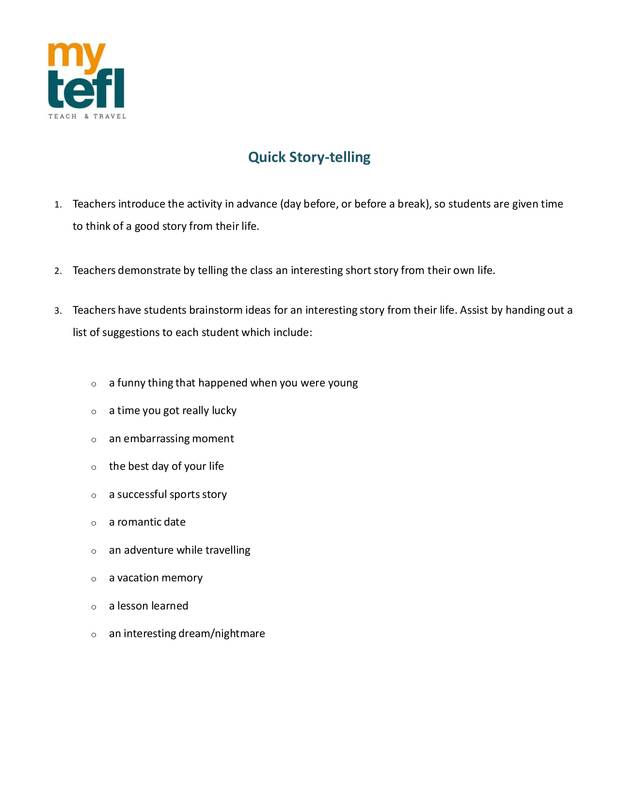
Another lesson from my personal Master TEFL training - ...
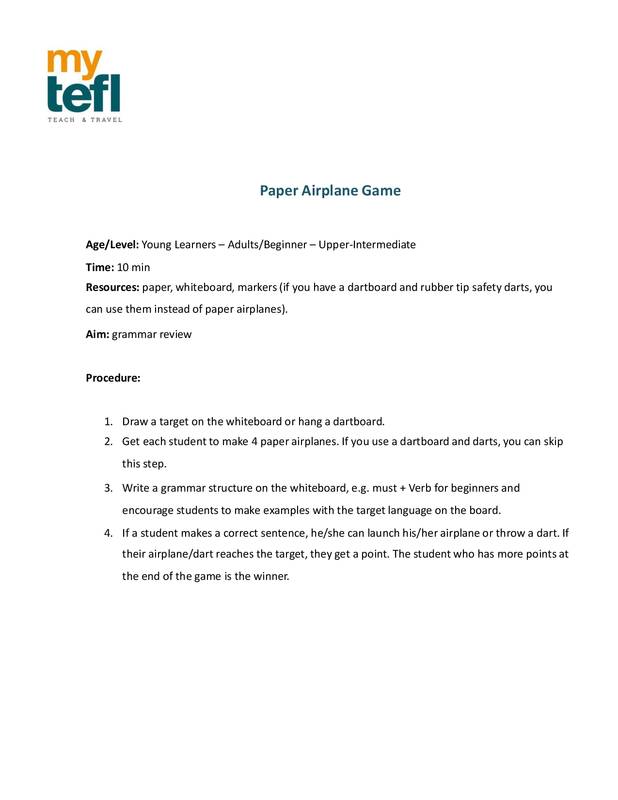
Another lesson from my personal Master TEFL training - ...
This is course material from my Master TEFL Training - ...
This is course material from my Master TEFL Training - ...
I have them practice writing letters, words and sentences first. We improve grammar, sentence structure and add more complex sentences as we go. We also learn the grammatical differences between speaking, and writing.
I like to use a digital white board or other visual materials. I make it simple - starting from nouns, types of nouns, to verbs - past - present - future - adjectives - adverbs - articles - prepositions - and finally, one more topic that even gives most Americans trouble!
I have them red articles that are either interesting to them, or help them in their academic or professional needs. I found reading allows me to also correct their pronunciation, stress, intonation, while they improve from the reading itself - and reading on helpful or interesting subjects makes it all the easier. I use Engoo a lot.
This is an advanced set of topics for ESL students - adults and children especially. For critical thinking, I like to keep the reading and comprehension questions on logical topics - like math, engineering, or even business, or politcs. In approaching literature, one first has to understand the "grammatical laxity" allowed - words can be used to paint pictures! You must learn what poems are, prose, writing for plays, film, maybe TV - creative writing, above all - learning more grammatical rules and terms that apply to the realm of fiction is also something I usally start off with - to get the almost boring rules out of the way first!
That is my speciality - I have my own method that is very easy to use, and follow. But, I cannot share it with you because it is my lethal weapon in English. I essentially teach you that mis-pronunciaiton is always about the position of your mouth, your lips, your tongue...ALWAYS...UNTIL YOU CORRECT THIS, YOU WILL NOT SUCCEED. Start there. The rest is classified unless you hire me to teach you. I will show you dramatic changes after one week, and teach you a system you can use on your own even without me to continue to correct all of the bad habits (usually) you made in "speed learning" Enlgish.
That depends on what the problem is: if is is fear, than I can use my psychological approach as I was top student in psychology once. As a musical performer, I performed in front of thousands of people, and so I definitely know what "stagefright" is. The rest will be focused on your pronunciation (important) and appearance - because confidence in these will make you confident overall. Also, let's take a look at your speech or presentation, and make sure it also inspires you, or, is excellent. Show worthy!
That is also what I am best at - I have my own method, where I start in order from simple to as hard as it gets - by the time you get there - you will have found that it was not hard at all. My method is NOT BORING. As I stated above: I make it simple - starting from nouns, types of nouns, to verbs - past - present - future - adjectives - adverbs - articles - prepositions - and finally, one more topic that even gives most Americans trouble!
I make sure we always practice using their own interests or goals as base material. I find that it is at least easier to try and learn to speak about topics that interest you - English you want to know. Other than that, It is all about identifying goals - achieving them together - growing confidence from that - while also growing your abilities seemingly right under your nose. It gets easier and easier with 30 to 60 minutes, once or twice per week. Speaking anyway. Then we can go places! Reading - you never forget Writing - depends on speaking Listening - a special skill I teach... Speaking - perhaps the hardest, and if you do not do it regularly, you may lose this ability - it is like a muscle - you have to exercise it.
Probably! I taught at 2 different private, bi-lingual schools in Thailand - in Bangkok, and later in Pattaya. I still tutor children worldwide, as well as adults, so I am active in the testing arenas - like TOEIC here in Asia, and, IELTS and TOEFL - for young adults or foreign-bound university students. Also, I am sometimes a tutor to children in America, grades kindergarten through grade 12 in high school.
I have lots of students whom I have worked with for sometimes many months, before taking and passing either the IELTS exam, or even the TOEFL exam - much more challenging, and takes time, but I have a record of success with this - from high school students (in Japan) to older adults even who needed to pass due to their profession. As a classroom English teacher here in Thailand, I regularly helped my classroom students prepare for exams I often wrote for them, or conducted from materials - Cambridge and Oxford materials - here in Thailand.
I ALWAYS keep to the students pace, and ALWAYS make it fun, interesting, etc. If something is not palatable, I switch - it is that simple. I have more than one way to get through a subject with your clear understanding, while making it painless, and even interesting.
Big time! From the psychology of tests, to actual techniques you can use, such as deduction, educated guesses - mostly I like to practice, practice, practice with material that is as close as possible to the actual test being taken. When you can pass that with minimal effort, you will be fine.
I do this all of thie time. Presenlty, I generate or create content for every student I work with, and I love doing it. I am a former computer expert, and now even use AI for graphics, images, slides, classroom props, and lots of new things, all of the time. I also use the best online resources I think there are for all phases of my instruction - reading, writing, listening and speaking American (or British) English.
I have lots of students whom I have worked with for sometimes many months, before taking and passing either the IELTS exam, or even the TOEFL exam - much more challenging, and takes time, but I have a record of success with this - from high school students (in Japan, India, China, Thailand, Brazil) and to older adults (already living in America) even who needed to pass due to their profession. I also keep myself up to date on the latest trends as these exams sometimes change, or, the focus is on a certain type of question more so than others. Each country more or less has their own application of these exams as well.
Yes, though I stress reading materials are often a boring way to learn English - save for grammar and reading. You need to make sure your pronunciaiton is correct (on your own) or, you will be seeing me for corrections later. I have worked with teacher editions of products form Cambridge, Oxford, but, mostly I now create my own as I have developed my own system of teaching English and often use Engoo Daly as reading - so I am able to teach students to talk about current events in many, many different areas of speaking. Academic, Business, Technology, Politics, History, Movies, Culture, Music, Fashion...bring it on. For advanced subjects like literature and poetry, my approach is different.
Having worked as a senior systems and network engineer, consultant and top technical instructor (in Silicon Valley, California, where I am from) I have practiced business and technical English, for many years, working with top companies including Epson, NEC, Honeywell & Lockheed Martin. I spend a lot of time helping adults prepare for technical interviews in IT or development in America. I am very current with English and how it is used in many different environments - business, industrial, technical.
This is usually my intro into teaching literature - learning hyperbole, metaphoe, similie, and others. These call for a diiferent set of rules, aside form grammar, and so Ilike to have a student very functinal in Engish grammar first. To help them understand, I use fresh, recent examples from movies, books, and popular things from their age group and culture, if I am able to. Or, I resort to classic examples from classics in American & British literature.
I would first sepeate whether it is creative writing, or objective, or even business writing. I guess I would make them aware of all of them. As a former musician, creative writing is a very good subject for me to teach, because, beyond English, it requires other talents that I can help a student to discover - the creative process - brainstorming - writing fiction versus non-fiction - "painting a picture with words", etc.





 Educational Qualification
 Learning Materials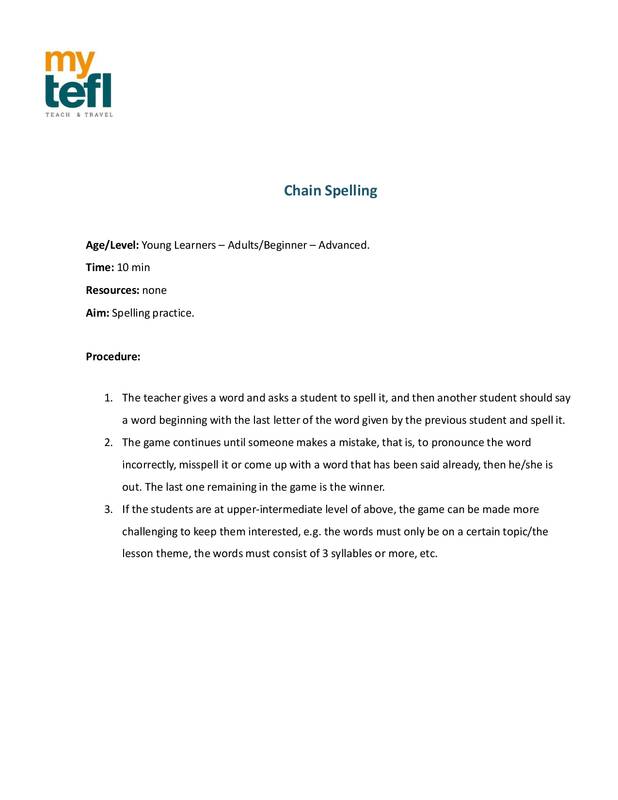


 Questions for You