 Request a Tutor Become a Tutor
Seongnam, South Korea
Please watch my video to learn more about me and my teaching approach.

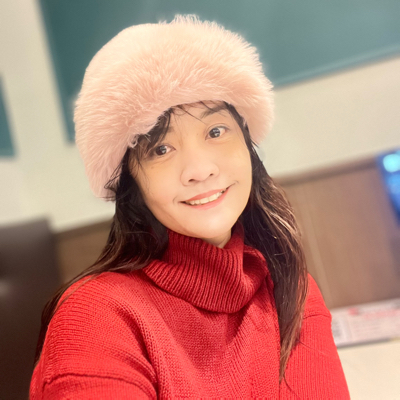
Hello! I’m Teacher Reese 🌟
I’m a passionate English teacher and private tutor based in Seoul, South Korea, with over 7 years of teaching experience. I hold a Bachelor’s Degree in ... Read more
I use different methods in teaching, which includes Visual and auditory.

De La Salle University Manila
Teacher Record
WORLD TESOL ACADEMY
WORLD TESOL ACADEMY
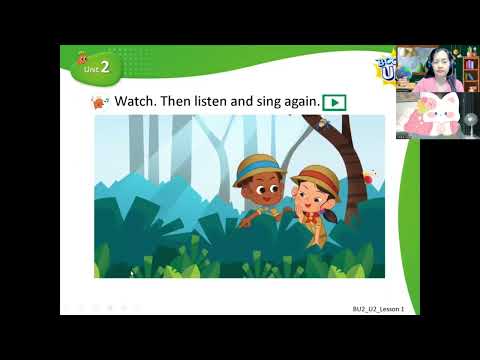
This class was 2 years ago with SeoIn. I started teachi...
Using model answers, helps students see the deep structure of writing tasks and strategies for ensuring that students write enough.
Primary pupils often benefit from visual aids and mnemonics. Incorporating colorful charts, posters, and mnemonic rhymes is useful to help them remember spelling rules, punctuation marks, and grammatical concepts. These visual aids create a memorable learning experience and serve as handy references in the classroom.
Reading is an essential component of education however most rural students are deprived due to so many factors including teacher deficit. Studies have shown that Reading is the greatest component of schooling, before one can speak fluent English you should be able to read fluently, all subjects in school including mathematics demand reading and understanding.
They are advancing learning through lessons, intellectual coaching, and authentic action. Learn to develop discussion protocols and get participants engaged and talking.
Help Students have fun in participating in activities, they learn the skills faster. The activities were planned with just the right amount of challenges so that Students were able to complete the activity at the end of the session. This improves their self-esteem and motivates them to try similar activities without any hesitation.
Effective communication is the foundation of successful relationships, both personal and professional. The ability to express thoughts and emotions clearly, empathize with others, and listen actively are all components of effective communication. Public speaking and presentation skills help individuals hone these essential communication competencies.
Yes, by giving examples and real-life situations to my students.
By teaching students to formulate effective questions, we help them gain a powerful intellectual tool and build confidence. When students learn to ask questions, it’s a way for them to engage with learning, solve problems, navigate challenges, assess media with a critical eye, and prepare to participate in a robust democracy.
Yes
Building Study Habits: Uncover techniques to set your goals, craft a productive learning routine, and make learning your daily activity. Learning Strategies: Get to know about different techniques to improve the effectiveness of your learning sessions. Plan Your Learning: Equip yourself with techniques to chart your learning objectives and the pathways to attain them. Mental Well-being: Understand the significance of mental health in your learning journey and acquire methods to prioritize it. Collaborative Learning: Elevate your education by harnessing the power of group synergy. Learn how to set up your Study Group. Learning Motivation: Dive into essential tactics to keep your passion for learning alive, ensuring you remain engaged and motivated, no matter the challenges.
1. Use live audio and video chat to engage students 2. Leverage interactive learning tools 3. Be transparent 4. Inject humor into the session where appropriate 5. Get personal
Yes
Yes
Yes
Yes
1. Focus on high-frequency vocabulary for work 2. Help students with vocabulary learning 3. Maximize student speaking time 4. Provide support for speaking tasks 5. Practice work skills your students need 6. Teach functional language phrases
Step One: Introduce a small number of related devices at a time Step Two: Show them what to look for Step Three: Practice identifying good analyses Step Four: Independent Practice Step Five: Analyze language in context
Career paths. I've taught lots of kids who have had no motivation and have been totally disengaged in their education and then suddenly changed their attitude completely, sometimes in a matter of days. I remember one student who returned from the mid-year holidays with a different attitude to everything about school. It was like he was a completely different person. The change was inspired by the fact that he'd realized that school wasn't something that his parents sent him to just to get him out of the house. He'd realized that if he wanted his dream career, he was going to have to work for it and the first step was improving his performance at school. Part of the maturing process involves long-term planning and consideration for your own future. A lot of kids take a while to realize that this is important while some realize it early on. The best way to motivate kids is to help them determine their career path and then make them realize how education can help them achieve their goals.



 Educational Qualification
 Learning Materials


 Questions for You