 Request a Tutor Become a Tutor
Bangkok, Thailand
Please watch my video to learn more about me and my teaching approach.

As a dedicated educator, I teach Mathematics and Science to lower secondary students (Years 6, 7, 8, 9, 10) following the British curriculum. My role involves:
Lesson Planning: ... Read more
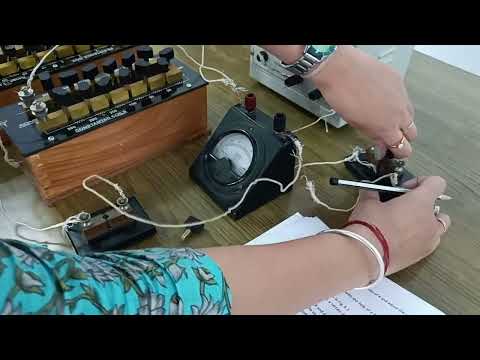
Inquiry-Based Learning: Encouraging students to ask questions and explore concepts independently, especially in science, through experiments and investigations. This method promote... Read more

Guru Nanak Dev University (DAV Jalandhar)
Jammu University
Guru Nanak Dev University
I usually work with students aged 9 to 18 years, covering grades 4 to 12. This includes teaching younger students foundational science and math concepts and guiding senior students in advanced physics topics. Let me know if you’d like further details about my teaching methods or experiences with specific age groups!
I approach lesson planning and preparation with a structured and student-centered strategy to ensure that lessons are engaging, effective, and aligned with learning objectives. Here’s my process: 1. Understand the Curriculum Review the syllabus and learning outcomes for the specific subject and grade. Align lesson objectives with curriculum standards (CBSE, IB, or Cambridge). 2. Know the Students Assess the students’ existing knowledge and learning styles. Incorporate differentiated instruction to cater to diverse abilities and interests. 3. Create a Lesson Framework Introduction: Start with a hook, such as a real-world connection, a thought-provoking question, or a short demonstration. Core Content: Use a mix of teaching methodologies, including explanations, multimedia (PPTs, videos), and interactive discussions. Activities: Plan hands-on experiments, problem-solving exercises, or collaborative group work to reinforce the topic. Closure: Summarize key points, answer questions, and assign follow-up tasks. 4. Use Teaching Aids Prepare visual aids (diagrams, charts) and real-life examples. Incorporate technology, like simulations or online resources, for enhanced engagement. 5. Evaluate and Reflect Include formative assessments, such as quizzes, peer reviews, or exit tickets, to gauge understanding. Reflect on what worked well and identify areas for improvement for future lessons.
I use a combination of formative and summative assessments to measure progress and assess learning outcomes effectively. My approach focuses on tracking individual growth, understanding, and mastery of the subject over time. Here's how I do it: 1. Clear Learning Objectives Begin by defining measurable learning outcomes for each lesson or topic. Share these objectives with students so they understand what is expected of them. 2. Formative Assessments Conduct ongoing assessments during lessons to monitor understanding, such as: Quizzes: Short, topic-specific quizzes to check comprehension. Class Discussions: Encourage active participation to gauge conceptual clarity. Peer Assessments: Students assess each other’s work for collaborative learning. Practical Tasks: Observe how students perform in experiments or solve problems in real-time. Provide immediate feedback to address misconceptions and reinforce learning. 3. Summative Assessments Organize tests or exams at the end of a unit or term to evaluate overall understanding. Design assessments that include: Multiple-choice questions for quick concept checks. Short-answer questions to assess application and reasoning. Project-based assessments for deeper, hands-on learning. 4. Tracking and Analysis Maintain detailed records of each student’s progress using a gradebook or software. Use data from assessments to identify trends, strengths, and areas for improvement. 5. Feedback and Goal Setting Share constructive feedback with students and parents regularly. Work with students to set achievable short- and long-term academic goals. 6. Self-Assessment and Reflection Encourage students to self-assess their performance and reflect on their learning. Use reflective practices, like journals or checklists, to help students take ownership of their progress.
Yes, I provide regular homework and assignments as part of the learning process to reinforce classroom teaching and encourage independent study. Here's how I approach this: Assigning Homework and Assignments Purposeful Assignments: Homework aligns with the lesson objectives and helps students practice skills or extend learning. Assignments vary in type, including problem-solving exercises, research projects, or reflective tasks. Balanced Workload: Ensure that assignments are meaningful and manageable, considering students' overall workload. Provide clear instructions, deadlines, and any necessary resources. Differentiated Tasks: Tailor assignments to cater to diverse learning levels and interests. For example, some students may explore advanced problems, while others focus on mastering foundational concepts. Reviewing and Providing Feedback Timely Review: Collect and review homework promptly to maintain relevance and ensure continuous learning. For large classes, I might use quick quizzes or peer reviews to complement my evaluations. Constructive Feedback: Provide individualized feedback highlighting strengths, areas for improvement, and strategies for better performance. Use encouraging language to build confidence and motivate students. Engage Students in Feedback: Allow students to discuss their work, ask questions, and clarify doubts during review sessions. Incorporate self-assessment or peer review to encourage critical thinking. Track Progress: Maintain a record of student performance on assignments to identify trends and tailor instruction accordingly. Innovative Methods Use technology tools like Google Classroom or MS Teams for assignment submissions, automated quizzes, and feedback. Encourage creative formats, like presentations, videos, or mind maps, to make assignments more engaging.
To enhance my lessons, particularly for online sessions, I utilize a variety of technology tools and resources that foster engagement, interactivity, and deeper understanding. Here's how I integrate them into my teaching: 1. Learning Management Systems (LMS) Google Classroom or Microsoft Teams: These platforms help organize lesson materials, assignments, and discussions, making it easier for students to access resources and submit work. Moodle: If I work with a school that uses Moodle, I can track progress, post announcements, and create interactive quizzes. 2. Interactive Tools Kahoot! and Quizizz: For interactive quizzes and games that make assessments fun and engaging. These tools allow real-time feedback and are great for reinforcing concepts. Nearpod: For interactive lessons where I can incorporate videos, polls, quizzes, and other activities within a presentation. Padlet: To facilitate group collaboration and create interactive boards for brainstorming, reflections, or organizing ideas visually. 3. Virtual Labs and Simulations PhET Interactive Simulations: I use these for science lessons, allowing students to explore physics, chemistry, and other scientific concepts virtually, which is especially useful for online labs. Labster: A virtual lab platform for in-depth experiments in subjects like biology and chemistry. 4. Video and Animation Tools Explain Everything: This tool helps me create whiteboard-style videos, annotate images, and visually explain complex concepts. Animoto and Canva: To make short, engaging explainer videos or visual presentations to complement the lesson. Edpuzzle: I turn existing videos into interactive lessons by embedding questions and comments, promoting active learning. 5. Document and Collaboration Tools Google Docs/Sheets/Slides: For collaborative group work and real-time student feedback. I can track changes, comment on student work, and encourage peer review. Jamboard: A digital whiteboard where students can contribute to lessons, collaborate on activities, and solve problems together. 6. Assessment Tools Google Forms or Microsoft Forms: For creating quizzes, surveys, and self-assessments that provide instant feedback to students. Socrative: To create quick formative assessments, including polls and quizzes, with real-time feedback. 7. Communication and Engagement Tools Zoom or Google Meet: For live lessons, breakout discussions, and one-on-one sessions. I can screen-share, use a digital whiteboard, and facilitate interactive activities. Flipgrid: To create video-based assignments where students share their thoughts, encouraging self-expression and peer interaction. 8. Resource Repositories YouTube: For incorporating educational videos, demonstrations, and real-world examples into lessons. I also create my own videos for specific topics (like physics experiments) on my channel. TED-Ed: I use this for videos that explain complex concepts in an engaging way, paired with follow-up questions or discussions. Philosophical and Scientific Journals: I often refer students to these resources to explore academic articles that help deepen their understanding of various topics. 9. Gamification and Rewards ClassDojo: A tool for tracking student behavior and progress, where students can earn points for participation, effort, or completing assignments. Badges and Certificates: I create e-certificates or digital badges for achievements, motivating students with recognition for their hard work.
Yes, I believe in offering continuous support to my students beyond scheduled lesson times to ensure their success and help them feel confident in their learning journey. Here are the ways I provide additional support: 1. Email Support Clarifying Doubts: I encourage students to reach out via email if they have any questions or need further clarification on topics covered during lessons. I aim to respond within 24 hours to provide explanations, resources, or guidance on assignments. Follow-Up on Assignments: If students need help with assignments, I review their work and send personalized feedback via email, suggesting areas for improvement or additional resources. 2. Phone or Messaging Support Quick Questions: For students who may prefer direct communication, I offer support through phone calls or messaging apps like WhatsApp. I find this particularly useful for quick questions, clarifications, or when students are working on assignments late into the evening. Emergency Assistance: For urgent issues, especially around exams or assignment deadlines, I provide extra help through phone calls or text messaging to address any concerns or roadblocks. 3. Online Office Hours Scheduled Check-Ins: I offer virtual office hours once or twice a week (either through Zoom or Google Meet) where students can drop in to discuss any difficulties they may be having with the material, ask questions about upcoming lessons, or get help with assignments. Small Group Sessions: If needed, I organize additional group sessions outside of regular class time to review challenging concepts or prepare for exams. 4. Dedicated Online Platforms Discussion Boards/Forums: For online courses, I may create a forum or discussion board where students can ask questions, share insights, and engage with one another outside of lessons. I monitor these platforms regularly and provide answers to any queries posted by students. Recorded Sessions: For students who need a review or have missed a lesson, I may record additional explanations or mini-lessons that they can watch at their own pace, ensuring they don’t fall behind. 5. Personalized Learning Materials Resource Sharing: If a student needs extra practice or finds certain topics particularly difficult, I send them additional study materials such as worksheets, video tutorials, or links to interactive websites. This allows students to learn at their own pace outside class. Guided Practice: I sometimes provide students with step-by-step guides to work through complex problems on their own, helping them build confidence in tackling challenging content. 6. Feedback Sessions Post-Lesson Reviews: After assessments, I offer personalized feedback via email or video calls, where I go over their performance, explain any mistakes, and suggest ways to improve for the next test or project. Goal Setting: I also engage students in setting academic goals based on their performance and provide regular check-ins to monitor their progress.
Yes, I have a few specific strategies for motivating students who are struggling or disengaged with the subject material. Here’s how I approach it: 1. Identifying the Root Cause Understanding Struggles: I start by having a one-on-one conversation or observation to understand why a student is struggling or disengaged. This could be due to a lack of foundational knowledge, lack of interest, or external factors affecting their learning. Targeting Gaps: Once I identify the root cause, I tailor the lesson to address these gaps, either by revisiting key concepts or by relating the content to the student’s interests. 2. Personalizing Learning Relating Material to Real Life: I strive to make lessons more relevant to their lives. For example, when teaching physics, I might use examples of real-world applications, like how physics is used in gaming or sports. This helps them see the practical value of what they’re learning. Connecting to Interests: I ask students about their hobbies and interests and try to incorporate these into the lesson. For example, if a student loves video games, I might explain concepts like velocity or motion using examples from gaming. 3. Making Learning Fun and Interactive Gamification: I use games and competitive challenges to engage students. For example, using quiz-based platforms like Kahoot! or Quizizz, where students can earn points and rewards for answering questions correctly, helps to turn learning into a fun, interactive experience. Hands-On Activities: For subjects like physics and science, I use hands-on experiments and demonstrations. Experiments like the effects of light on different materials or simple circuit-building can reignite their interest and make abstract concepts tangible. 4. Building a Growth Mindset Focusing on Effort: I emphasize the importance of effort over perfection. I celebrate incremental progress and small successes to help students build self-confidence. I encourage them to view challenges as opportunities to learn rather than obstacles. Mistakes as Learning Opportunities: I encourage students to embrace mistakes as part of the learning process. Instead of pointing out what went wrong, I focus on how they can improve and grow from their errors. 5. Positive Reinforcement Frequent Praise: I provide frequent positive feedback, especially for small achievements. This could be a simple verbal acknowledgment or a written note of encouragement. Praise boosts motivation, especially for struggling students who may feel overlooked. Reward Systems: I implement a system of rewards (like a "student of the week" or achievement certificates) for progress, participation, or improvement. This motivates students to stay engaged and strive for success. 6. Setting Achievable Goals Breaking Down Goals: I break down larger, intimidating goals into smaller, more achievable tasks. This makes the work seem more manageable and gives students a sense of accomplishment as they complete each step. Celebrating Milestones: Every time a student achieves a goal or milestone, no matter how small, I celebrate it. This reinforces the idea that their efforts are worthwhile and builds momentum. 7. Peer Support and Group Work Peer Tutoring: Pairing struggling students with peers who grasp the material well can be incredibly effective. Peer tutors often explain concepts in a way that resonates with their classmates, and the act of teaching can deepen the tutor’s own understanding. Collaborative Projects: I use group activities where students collaborate to solve problems. This not only encourages engagement but also allows students to learn from each other, boosting both social interaction and academic understanding. 8. Providing More Autonomy Student Choice: Giving students some autonomy over their learning can increase motivation. I allow students to choose certain topics or projects that interest them, which can make them feel more invested in the learning process. Self-Assessment: I encourage students to assess their own progress and set their own learning goals. This gives them ownership of their learning journey and helps them stay motivated to improve. 9. Utilizing Technology Interactive Tools: I use online simulations, interactive apps, and multimedia resources to make learning more dynamic. For example, using interactive physics simulations where students can manipulate variables and see real-time results can captivate their attention and foster engagement. Engaging Videos and Animations: For students who struggle with theoretical content, I often use animations and videos to explain complex concepts, like how light behaves or the principles of motion. Visualizing these ideas can make them more accessible and understandable. 10. Regular Check-ins and Open Communication Frequent Feedback: I provide regular, constructive feedback on assignments and assessments, focusing on both strengths and areas for improvement. I also encourage students to communicate openly if they are struggling with the material, so I can provide support early on. Office Hours and Extra Support: Offering extra time for students to ask questions or work through difficult material outside of regular class hours can be a huge motivator. I encourage students to attend my office hours if they need additional help. 11. Fostering a Positive Learning Environment Creating a Safe Space for Questions: I ensure that the classroom is a place where students feel comfortable asking questions without fear of judgment. I regularly remind students that there are no “silly questions” and that it’s okay to ask for help whenever needed. Encouraging a Supportive Classroom Culture: I promote a classroom culture where students support one another. When students are part of a positive, collaborative environment, they are more likely to stay motivated and engaged.
Yes, I do have experience working with students with learning differences and special needs, and I approach it with the mindset that every student can succeed with the right support and adjustments. Here's how I tailor my teaching for students with varying needs: 1. Differentiated Instruction Adapting Content: I modify lesson plans and materials to meet the individual needs of students. For example, for students with learning disabilities like dyslexia or ADHD, I provide resources in alternative formats, such as visual aids, audio recordings, and step-by-step written instructions. Varying the Pace: I adjust the pace of lessons to allow students more time to absorb the content. This is particularly helpful for students with processing delays or attention-related challenges. Tiered Activities: I create multiple levels of activities so that students can work at their own pace but still meet the learning objectives. For example, I may offer simpler problems for students who need extra practice, while providing more complex tasks for those who need additional challenges. 2. Use of Assistive Technology Text-to-Speech Tools: For students with dyslexia or other reading difficulties, I use text-to-speech software to help them process written material more easily. Interactive Tools: I use apps and programs like speech recognition software or interactive learning platforms that cater to different learning styles. These tools can engage students more effectively and provide real-time feedback. Visual Aids and Graphics: For students with learning differences, particularly visual learners, I use visual aids like mind maps, diagrams, and infographics to make abstract concepts more tangible and accessible. 3. Clear Instructions and Consistency Structured Routine: I maintain a consistent and structured classroom routine, which is crucial for students with autism or anxiety. Predictable schedules and clear expectations help these students feel more comfortable and focused. Step-by-Step Instructions: I break tasks down into smaller, more manageable steps and provide clear, concise instructions. This helps students with attention difficulties or executive function challenges stay on track. Visual Timetables and Checklists: For students who struggle with organization, I use visual timetables and checklists, which help them keep track of assignments and deadlines. 4. Scaffolded Learning Gradual Release of Responsibility: I use the “I do, we do, you do” model, starting with modeling and explaining a concept, followed by guided practice, and then independent practice. This approach allows students to build confidence and independence over time. Frequent Check-ins: I regularly check for understanding, providing immediate feedback and support when needed. This is especially important for students who may need more repetition or clarification before they grasp a concept fully. 5. Collaborating with Support Staff Inclusive Planning: I work closely with special education teachers, speech therapists, and other support staff to create individualized education plans (IEPs) for students with more significant learning challenges. These plans ensure that accommodations are in place to support their specific needs. Co-Teaching: In some cases, I have collaborated with special education teachers for co-teaching, where lessons are jointly delivered with tailored strategies and extra support for students who need it. 6. Flexible Assessment Alternative Assessments: I offer alternative ways for students to demonstrate their learning, such as oral presentations, video recordings, or project-based assessments, instead of traditional written tests. This gives students with learning differences the chance to showcase their strengths. Modified Rubrics: I use rubrics that are adjusted to the needs of students with learning differences, focusing on their progress and effort rather than just the final product. 7. Emotional and Social Support Building Confidence: I provide a lot of positive reinforcement and encouragement. For students who have faced academic challenges, I focus on their progress and achievements to boost their self-esteem. Peer Support: Encouraging collaboration and group work allows students to support each other, which can be especially beneficial for students with social-emotional challenges or those with autism spectrum disorders. Peer tutoring helps foster a sense of belonging and shared learning. Calming Strategies: For students with anxiety or behavioral challenges, I incorporate calming strategies into the classroom. This could include designated quiet areas, deep-breathing exercises, or short breaks to help students regulate their emotions. 8. Fostering an Inclusive Environment Creating a Safe Space: I make it clear that the classroom is a supportive and non-judgmental environment where every student’s needs are respected. I encourage empathy and understanding among all students, fostering an inclusive classroom culture. Adjusting Expectations: I set realistic and achievable goals for students with special needs, keeping in mind their unique learning processes and challenges. By doing so, I help them feel a sense of accomplishment, which motivates them to continue learning. 9. Parental Involvement Regular Communication: I maintain open communication with parents or caregivers to keep them informed about their child’s progress and challenges. This is essential for students with special needs, as parents can provide additional context or support at home. Collaborating on Strategies: I also ask for parent input on strategies that have worked well for their child, whether at home or in previous learning environments. This helps to create a consistent and effective approach to the student’s learning. 10. Focus on Strengths Leveraging Strengths: I try to identify and leverage the student’s strengths, whether it’s creativity, problem-solving skills, or a particular talent. Focusing on what the student is good at helps build confidence and keeps them engaged in the learning process.





 Educational Qualification
 Learning Materials


 Questions for You