 Request a Tutor Become a Tutor
Bangkok, Thailand
Please watch my video to learn more about me and my teaching approach.

As a dedicated educator, I teach Mathematics and Science to lower secondary students (Years 6, 7, 8, 9, 10) following the British curriculum. My role involves:
Lesson Planning: ... Read more
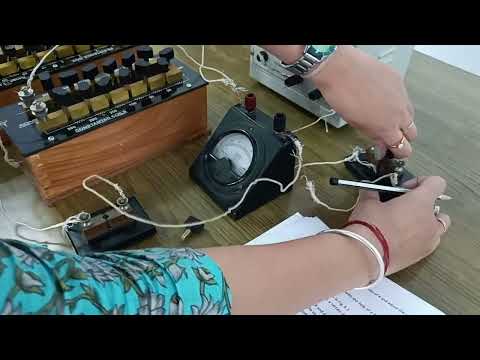
Inquiry-Based Learning involves encouraging students to ask questions and explore concepts independently, especially in science, through experiments and investigations. This method... Read more

Guru Nanak Dev University (DAV Jalandhar)
Jammu University
Guru Nanak Dev University
In teaching Math, I use a variety of methods to ensure that students not only grasp the core concepts but also gain confidence in problem-solving. Here are some of the key teaching methods I use: 1. Concrete to Abstract Approach Hands-On Learning: I start by using manipulatives and real-life examples to make abstract math concepts more tangible. For example, when teaching fractions, I use fraction strips or pizza models to help students visualize how fractions work. Once students understand the concept concretely, I gradually move to more abstract representations (e.g., using symbols and equations). Real-World Problems: I incorporate word problems that relate to real-life situations. This allows students to see the practical application of math and helps them understand its relevance. 2. Visual Learning and Representations Diagrams and Models: For many math concepts, visual aids are crucial. I use diagrams, graphs, and models to help students better understand the problem. For example, when teaching geometry, I use shapes and models to illustrate properties like symmetry, angles, and area. Mind Mapping: For problem-solving strategies or complex topics, I use mind maps to visually break down the steps and help students see the bigger picture. 3. Step-by-Step Problem Solving Modeling: I model problem-solving techniques by solving problems step-by-step in front of the students, explaining the reasoning and method behind each step. This helps students develop a structured approach to solving problems. Guided Practice: After modeling a problem, I work through similar problems with students, providing guidance and support. I encourage them to verbalize their thinking as they solve the problem, which reinforces the logic and steps involved. Scaffolded Support: For students who need extra help, I break down complex problems into smaller, more manageable parts. This helps build their confidence and ensures they don’t feel overwhelmed. 4. Active Learning Techniques Interactive Learning: I use interactive methods like quizzes, online tools, or group activities to engage students actively in solving problems. For example, using platforms like Kahoot! or Google Classroom to create interactive quizzes makes learning fun and reinforces concepts. Collaborative Problem-Solving: I encourage peer-to-peer learning by having students work in pairs or small groups to solve problems. Working together allows students to explain concepts to each other, deepening their understanding. 5. Flipped Classroom Pre-Lesson Videos: I often provide pre-recorded videos or reading materials before the class, so students come prepared with some background knowledge of the topic. In class, we then focus on applying the concepts through problem-solving rather than spending time on basic explanations. Active Class Time: In the classroom, I focus on interactive activities, exercises, and discussion-based learning to apply the concepts in context. 6. Differentiated Instruction Adjusting to Different Learning Levels: I adapt my teaching to cater to different skill levels within the class. For students who need extra help, I provide more foundational support and focus on gradual learning, while for advanced learners, I provide more challenging tasks to stretch their thinking. Tiered Assignments: I offer tasks that vary in complexity, so all students can work at their own level while still being challenged. For example, in algebra, I may give students with more experience a problem that includes variables on both sides of the equation, while others may work on simpler, one-variable equations. 7. Inquiry-Based Learning Exploration: I encourage students to explore math concepts through guided discovery. Rather than simply telling them the rules, I present problems that allow them to experiment and find patterns or solutions. This method builds critical thinking skills and a deeper understanding of the subject. Problem Posing: I encourage students to ask questions and come up with their own problems to solve. This approach helps foster creativity and independent thinking. 8. Math Journals and Reflection Journaling: I have students keep math journals to reflect on what they’ve learned, document their problem-solving processes, and track their progress. This is especially helpful for students who need time to process and internalize concepts. Self-Assessment: At the end of each lesson or unit, I encourage students to assess their own understanding. This helps them identify areas where they may need more support and reinforces the idea of learning as a continuous process. 9. Gamification and Motivation Math Games: I incorporate games to make learning more engaging, such as puzzles, online math games, or competitions. For example, I use Sudoku to practice logic and number patterns or math bingo to reinforce number skills. Reward Systems: I use a reward system where students earn points or badges for achieving specific goals, such as completing a challenging problem or mastering a concept. This motivates students and makes the learning experience more enjoyable. 10. Formative Assessment and Feedback Regular Check-ins: Throughout the lesson, I use quick formative assessments (like thumbs up/thumbs down, exit tickets, or quick quizzes) to gauge students' understanding and adjust my teaching accordingly. Instant Feedback: During problem-solving exercises, I provide immediate feedback to students, helping them correct mistakes and build on their understanding. This reinforces the idea of learning from errors and moving forward. 11. Real-Time Problem Solving and Practical Application Case Studies and Real-World Applications: I frequently present real-world problems related to math concepts. For instance, when teaching probability, I might give students a scenario involving games or weather forecasts to help them see how math is used in everyday life. Project-Based Learning: For more extended projects, I have students apply math concepts to real-world projects, such as designing a floor plan, analyzing data for a survey, or creating a budget. This not only makes the learning more practical but also shows students how math is used beyond the classroom. 12. Technology Integration Online Tools and Calculators: I use online calculators, virtual math labs, and graphing tools to help students visualize concepts and solve problems. For example, I use tools like Desmos for graphing equations and GeoGebra for geometry explorations. Interactive Whiteboards: During online lessons, I use interactive whiteboard apps to write and solve problems live, allowing students to follow along and participate in solving the problems. 13. Math Talks Group Discussions: I occasionally hold "math talks" where students share their approaches to solving a problem. This promotes different ways of thinking and encourages collaboration and critical discussion. Socratic Questioning: I ask open-ended questions to encourage students to think more deeply and justify their answers. This helps develop higher-order thinking skills and encourages a deeper understanding of math. These methods, used in combination, allow me to cater to different learning styles, help students build strong conceptual understanding, and give them the tools to solve complex math problems confidently.
Yes, I have experience teaching on online platforms and virtual tutoring, and I have developed a strong preference for utilizing a variety of tools and methods to ensure an engaging and effective learning experience. Online Teaching Platforms Experience: Zoom: I use Zoom for live lessons, where I can share my screen, use interactive whiteboards, and engage students in real-time discussions. I also appreciate the breakout room feature for small group activities and collaborative learning. Google Meet: For virtual tutoring or one-on-one lessons, I often use Google Meet. It’s straightforward and integrates well with Google Docs and Slides, making it easy to share materials. Microsoft Teams: For classes that involve more structured curriculum delivery, I use Microsoft Teams to organize resources, assignments, and group discussions. Kahoot!, Quizizz, and Socrative: These platforms help with quizzes, live polls, and formative assessments. I use them to make learning fun and to keep students engaged. Google Classroom: For assignment submission, resource sharing, and class organization, Google Classroom helps keep everything streamlined. Miro/Padlet: For brainstorming and mind mapping during lessons, these collaborative whiteboard tools allow students to add their thoughts in real-time, creating a dynamic learning environment. Preferred Methods of Communication: Video Calls (Zoom/Google Meet): I prefer video calls for live lessons and tutoring sessions because they allow me to interact directly with students, assess their body language, and engage them in discussions. I also share my screen to walk through problems step-by-step. Email and Messaging Platforms: For quick clarifications, assignment submissions, or follow-up questions, I encourage students to reach out via email or messaging platforms like WhatsApp or Slack. It’s an easy way for students to ask questions outside of scheduled sessions. Shared Google Docs: For collaborative work, especially on projects or assignments, I use Google Docs for students to work together on writing tasks, problem-solving, or brainstorming. It’s useful for giving instant feedback and allows me to track revisions in real-time. Discussion Forums: On platforms like Google Classroom or Moodle, I create discussion forums where students can post questions and comments related to the lesson. It encourages peer-to-peer learning and creates a community feel even in an online environment. Interactive Feedback: I give regular feedback via voice notes or video recordings to explain concepts in a more personalized way. This helps students understand my feedback better than just written comments. Online Tutoring Techniques: Interactive Whiteboard/Screen Sharing: I use digital whiteboards (Zoom, Miro, or Google Jamboard) to visually explain math problems, science concepts, or diagrams. It’s especially helpful for breaking down complex problems and concepts. Real-Time Problem Solving: I solve problems live during lessons, allowing students to ask questions as I walk them through the process. Engaging Tools: I incorporate quizzes, polls, and mini-games to keep students actively engaged in learning and to provide instant feedback. Recorded Lessons: For students who need to revisit lessons, I record my lessons and provide them access to watch at their own pace. This allows them to review difficult concepts and practice at their convenience. I prioritize clear, consistent, and supportive communication to ensure students feel comfortable asking questions and sharing their progress. Overall, the goal is to maintain an interactive, student-centered approach where technology complements the learning experience.
As a teacher with experience in both Math and Science, I have developed strong skills in teaching a wide range of Math topics, particularly those relevant to the curricula I’ve worked with, such as the CBSE, IB, and British systems. Here are the key Math topics I’m particularly skilled in teaching: Math Topics I Specialize In: Arithmetic and Number Systems: Fractions, Decimals, Percentages Ratios and Proportions Integers and Real Numbers Place Value and Rounding Addition, Subtraction, Multiplication, and Division Algebra: Linear Equations and Inequalities Expressions and Simplification Polynomials and Factoring Exponents and Powers Quadratic Equations Geometry: Basic Geometrical Shapes and Properties Perimeter, Area, and Volume of Different Figures (circles, triangles, quadrilaterals, etc.) Coordinate Geometry (Graphing points, lines, and slopes) Angles and their Properties Pythagoras Theorem and Trigonometry Basics Statistics and Probability: Data Collection, Organizing, and Representation (tables, bar graphs, histograms, etc.) Mean, Median, Mode Probability and Its Applications (simple events, experiments, and outcomes) Word Problems and Problem Solving: Critical thinking and problem-solving exercises Applying algebraic and geometric concepts to solve real-world problems Functions and Relations: Understanding Functions and their Graphs Direct and Inverse Proportions How I Keep Up-to-Date with Changes in the Curriculum: Reviewing Official Curriculum Updates: I regularly review curriculum updates and guidelines provided by educational boards like CBSE, IB, and the British Curriculum to stay informed about changes in standards and expectations. I subscribe to newsletters and updates from official education bodies and forums. Professional Development Courses: I participate in online courses, webinars, and workshops related to teaching methods, subject knowledge, and curriculum changes. Websites like Coursera, edX, and Khan Academy offer valuable resources for keeping current with both curriculum updates and teaching techniques. Peer Collaboration and Teacher Communities: I actively collaborate with fellow educators, both online and in-person, to share insights and discuss changes in teaching strategies and curriculum. Platforms like LinkedIn, Reddit’s Teacher Communities, and professional Facebook groups help me stay connected to the larger teaching community. Educational Conferences and Seminars: I attend relevant educational conferences or seminars, both in-person and virtual, that focus on Math education. These events often showcase the latest curriculum innovations and teaching strategies. Researching New Educational Tools: I continuously explore new tools and technologies for Math instruction. By staying updated with platforms like Google Classroom, Kahoot!, Quizizz, and Geogebra, I ensure my teaching methods are both modern and engaging. Student Feedback: Regular feedback from students helps me identify areas where the curriculum might need updating or improvement. I stay flexible in adapting lesson plans and resources to meet the needs of my learners. By combining the latest curriculum information with effective teaching strategies and modern technologies, I strive to provide the best possible learning experience for my students. I also believe in maintaining a student-centered approach, which means adapting my teaching to suit the diverse needs and learning styles in my classroom.
Effective communication with parents is crucial to ensure that students receive the support they need in Math and that any challenges are addressed promptly. Here’s how I approach communication with parents about their child’s progress and challenges in Math: 1. Regular Updates and Reports: Progress Reports: I provide periodic progress reports, which highlight the student’s performance in assignments, tests, and projects, as well as their overall understanding of key concepts. These reports help parents track how their child is doing and identify areas where improvement is needed. Skill Development: I focus on explaining specific skills or concepts the student has mastered or needs to work on, making the feedback more detailed and actionable. 2. Parent-Teacher Conferences: One-on-One Meetings: For more in-depth discussions, I schedule parent-teacher conferences either in person or virtually. This provides an opportunity to address any academic concerns, share strategies for improvement, and discuss ways parents can support their child at home. Goal Setting: During these meetings, we discuss academic goals, celebrate the child’s achievements, and set realistic expectations for future learning. This allows both the parents and I to be on the same page regarding expectations. 3. Regular Communication Channels: Email Updates: I use email to send regular updates about the child’s progress, upcoming tests, assignments, and any areas of concern. I also offer a clear way for parents to get in touch with me if they have any questions. Learning Platforms: If the school uses a learning management system (e.g., Google Classroom, ClassDojo), I update parents through this platform about their child’s assignments, grades, and class participation. 4. Addressing Challenges: Identifying Struggles: If a student is struggling with certain Math concepts, I make sure to inform the parents early on. This might include difficulty with specific topics like fractions or algebra or issues with test performance. Collaborative Solutions: I offer suggestions for additional support, such as tutoring sessions, extra practice materials, or using online resources like videos and interactive tools to reinforce learning. Behavioral and Attitudinal Challenges: If a student is disengaged or having behavioral issues in Math, I discuss how to encourage a positive mindset toward learning and might suggest strategies to build their confidence and motivation. 5. Feedback on Homework and Assignments: Detailed Feedback: I provide constructive feedback on homework, quizzes, and assignments. If a student is struggling, I make sure the feedback is specific, guiding them on how to improve, whether that’s revisiting certain problems or seeking additional help. Highlighting Improvements: When a student shows improvement, I make sure to acknowledge and share that progress with parents, reinforcing positive behavior and growth. 6. Engagement in Student’s Learning: Encouraging Parental Involvement: I encourage parents to engage with their child’s learning outside of school by practicing Math at home, providing resources for additional learning, or simply being more involved in their child’s study routine. Resources and Support: I share resources, apps, websites, and practice materials that parents can use to support their child’s Math learning, especially if their child is struggling. 7. Emergency or Immediate Concerns: Prompt Communication: If any immediate concerns arise—such as a lack of progress, personal issues affecting learning, or missed assessments—I communicate with the parents right away, usually via phone or email, to ensure swift action and intervention. 8. Celebrating Successes: Positive Reinforcement: I also communicate with parents to celebrate their child’s successes, whether it’s mastering a difficult concept or achieving a high grade on an exam. Positive reinforcement keeps parents informed and encourages students to keep working hard. By maintaining a balance of regular updates, open lines of communication, and a proactive approach to addressing challenges, I work to ensure that parents are always involved in their child’s Math education and can support them effectively at home.
Yes, I believe in providing students with additional resources and materials to help reinforce the concepts they learn in lessons. These resources are tailored to support their individual learning needs and help them gain a deeper understanding of the subject matter. Here's how I supplement my lessons: 1. Practice Exercises: Worksheets: I provide customized worksheets with a variety of problems that range from basic to advanced difficulty levels. These worksheets help students practice key concepts and apply what they’ve learned in class. Problem Sets: I assign problem sets that focus on specific topics or skills the student is working on. These exercises are designed to build confidence and ensure students understand how to solve different types of problems. Practice Quizzes: Short quizzes or practice tests are given to help students assess their knowledge. These quizzes may include a mix of multiple-choice, short-answer, and problem-solving questions that mirror what they might encounter on exams. 2. Online Resources: Interactive Websites: I recommend websites like Khan Academy, IXL, or Desmos that provide interactive lessons, tutorials, and exercises for students to practice Math concepts in an engaging way. YouTube Tutorials: I share specific YouTube channels or videos that explain difficult topics in a simple, visual way. For example, for Math topics like algebra, geometry, or calculus, I recommend channels that provide step-by-step solutions and explanations. Math Apps: I suggest educational apps such as Photomath, Cymath, or Mathway, which can help students solve problems and understand the steps involved in problem-solving. 3. Study Guides and Cheat Sheets: Concept Summaries: I create or recommend concise concept summaries or "cheat sheets" that provide an overview of the essential formulas, definitions, and problem-solving strategies. These are helpful for quick revision. Mind Maps: For students struggling with organizing information, I provide mind maps that link concepts together, making it easier for them to see the relationships between different topics. 4. Additional Reading Material: Books: For students who want to explore topics in more depth, I suggest books or e-books related to the subject. These can provide additional practice problems and theoretical background. Articles and Journals: For advanced students, I recommend articles or research papers that can give them a broader view of the subject matter and connect theory to real-world applications. 5. Interactive Tools: Virtual Labs: I recommend virtual lab tools for Physics experiments, which can help students visualize scientific concepts in a safe and interactive way. Websites like PhET Interactive Simulations offer virtual physics labs and experiments. Graphing Tools: For Math students, I suggest using online graphing tools like GeoGebra or Desmos to graph equations and explore Math concepts visually. 6. Customizable Learning Resources: Online Flashcards: I create or recommend flashcards for topics that require memorization, such as formulas or definitions. Apps like Quizlet can be used to create digital flashcards for easy practice on the go. Google Classroom: For students who need more structured resources, I upload additional materials (PDFs, PowerPoint presentations, and videos) on Google Classroom to help reinforce concepts outside of class time. 7. One-on-One Support: Office Hours/Extra Help: For students needing more personalized assistance, I offer extra help sessions where we can go over specific questions or areas of difficulty. These can be arranged through video calls or in person. 8. Group Study Resources: Peer Collaboration: I sometimes encourage students to collaborate on group exercises or projects, providing them with collaborative tools like Google Docs or Padlet where they can work together and exchange ideas on topics they are studying. By providing a range of supplementary materials, I help students reinforce their learning, overcome difficulties, and prepare effectively for assessments. This variety also caters to different learning styles, whether students prefer hands-on practice, interactive tutorials, or visual aids.
My approach to homework assignments is designed to reinforce the concepts covered in class while fostering independent learning, responsibility, and critical thinking. Here’s how I structure and approach homework, along with strategies to ensure that students understand the material: 1. Purpose of Homework: Reinforcement: Homework serves as a way for students to practice and apply what they’ve learned in class. It helps consolidate their understanding and gives them the opportunity to explore topics in more depth. Mastery of Concepts: I assign homework that focuses on mastering key concepts, allowing students to work at their own pace and revisit areas of difficulty. Preparation for Assessments: Homework assignments often serve as a precursor to upcoming tests, quizzes, or projects, ensuring that students are continuously reviewing the material. 2. Types of Homework Assignments: Practice Problems: For subjects like Math and Physics, I assign a mix of practice problems with varying difficulty levels. This helps students apply theoretical concepts to real-world problems and gradually build their problem-solving skills. Short Reflection Essays or Summaries: I occasionally assign reflection essays or summaries where students explain concepts in their own words, demonstrating their understanding. Research Tasks: For more advanced students, I provide homework that encourages independent research, such as exploring a specific real-world application of the concept or reading related articles. Project-Based Assignments: For certain topics, I assign project-based tasks that encourage creativity and allow students to apply their knowledge to create presentations, models, or experiments. 3. Balancing Homework Load: Manageable and Purposeful: I ensure that homework assignments are of a reasonable length, not overwhelming students with excessive tasks. I aim for 20-30 minutes of focused work per subject, depending on the complexity of the material. Clear Instructions: I provide clear, step-by-step instructions for assignments so students can easily understand what is expected of them. For more challenging tasks, I may break them down into smaller steps or provide guiding questions to direct their work. 4. Ensuring Understanding of Concepts: In-Class Review: At the start of each class, I review homework assignments, discussing any common challenges or misconceptions. This provides an opportunity for students to ask questions and clarify their understanding. Student Feedback: I actively encourage students to ask questions if they’re unclear about a concept or a problem from their homework. This ensures that they understand the underlying principles before moving on to the next topic. Check for Mastery: I incorporate regular formative assessments (e.g., quizzes, quick checks for understanding) to gauge whether students are grasping the concepts. If homework reveals misunderstandings, I may provide additional explanations in class or during office hours. 5. Providing Feedback on Homework: Timely and Constructive Feedback: I provide feedback on homework promptly, highlighting both strengths and areas for improvement. If a student makes mistakes, I give detailed explanations of where they went wrong and offer tips for solving similar problems in the future. Encouragement: I aim to provide positive reinforcement when students perform well, motivating them to keep progressing. For students struggling with homework, I use encouraging language to help them view mistakes as learning opportunities rather than failures. Personalized Feedback: In cases where a student repeatedly struggles with a particular concept, I give individualized feedback and may offer additional resources or one-on-one tutoring to address their specific needs. 6. Monitoring and Adjusting Based on Progress: Tracking Progress: I track homework completion and performance to identify any trends in student understanding or areas where students are consistently struggling. This allows me to adjust my teaching approach if needed. Adjusting Difficulty: If students are consistently completing their homework with ease, I may increase the difficulty of assignments to challenge them further. Conversely, if students are struggling, I provide additional support and may simplify tasks until they are ready for more challenging work. 7. Ensuring Active Participation: Interactive Platforms: For online classes, I sometimes use interactive platforms like Google Classroom, Quizlet, or Kahoot to assign and collect homework. These platforms allow me to monitor progress in real-time and engage students with interactive quizzes or exercises that they can complete outside of class. 8. Encouraging Self-Reflection: Self-Assessment: I sometimes ask students to reflect on their homework performance, such as identifying areas where they found difficulty or the strategies they used to solve problems. This helps develop their metacognitive skills and encourages them to take ownership of their learning process. 9. Homework as a Discussion Point: Group Work: Occasionally, I ask students to discuss their homework with peers, explaining how they approached certain problems. This peer teaching not only reinforces their understanding but also encourages collaborative learning and fosters a deeper understanding of concepts. By assigning purposeful, manageable homework and actively engaging with students through feedback and in-class discussion, I ensure that homework contributes to a deeper understanding of the subject. This approach also allows me to identify and address any gaps in student knowledge while maintaining a supportive and motivating environment.
To ensure that my teaching approach is compatible with each student’s learning style, I take several steps to adapt my methods and create a learning environment that supports different needs and preferences. Here’s how I tailor my approach: 1. Identifying Learning Styles: Initial Assessment: I start by getting to know my students through informal assessments, surveys, or one-on-one conversations where they share their preferred ways of learning (e.g., visual, auditory, kinesthetic). This helps me gain insight into their strengths and challenges. Observation: Throughout lessons, I pay close attention to how students engage with different types of activities. For example, some students may respond well to lectures, while others may excel when doing hands-on tasks or group discussions. Feedback: I regularly ask for student feedback about the activities and teaching methods used in class, which helps me understand how students are learning best. 2. Adapting Instructional Strategies: For Visual Learners: Use of Visual Aids: I incorporate diagrams, charts, mind maps, and visual representations of concepts, such as drawing models or using slides to show examples. Color Coding: I use color coding in notes, diagrams, or on the board to help students visually organize information, making it easier to distinguish key concepts. Videos and Animations: For more complex topics, I integrate educational videos or animations that provide a dynamic visual explanation of abstract concepts (e.g., physics experiments, math problem-solving). For Auditory Learners: Verbal Explanations: I make sure to provide clear, concise verbal explanations and engage in discussions to allow auditory learners to absorb information through listening. Group Discussions and Debates: I encourage group activities where students can discuss concepts, share ideas, and learn from each other. This is particularly useful for topics that benefit from discussion and verbal interaction. Recording Lessons or Instructions: I may provide audio recordings or podcasts to help auditory learners review lessons outside of class at their own pace. For Kinesthetic Learners: Hands-On Activities: I incorporate interactive, hands-on learning opportunities, such as experiments, group projects, or practical applications of theory. For example, in math, students may use physical objects or manipulatives to explore concepts like fractions or geometric shapes. Movement-Based Learning: I integrate movement by having students participate in role-plays, simulations, or physical activities that reinforce learning, especially in science experiments or problem-solving exercises. Technology Tools: I use interactive apps or virtual tools that allow students to engage with content in a dynamic, hands-on way (e.g., virtual labs, math games). 3. Differentiating Content Delivery: Flexible Teaching Materials: I create differentiated lesson plans that offer multiple entry points to the content, allowing students to choose how they access the information. This could mean providing alternative resources like readings, videos, or guided notes. Pacing Adjustments: I adjust the pace of my lessons based on the needs of the class or individual students. If some students need more time to grasp a concept, I will provide additional exercises, resources, or offer one-on-one sessions to help them catch up. Scaffolded Support: For students who require additional support, I break down complex concepts into smaller, manageable steps and provide scaffolding (e.g., step-by-step guides, guiding questions) to help them understand and build on their knowledge. 4. Providing Multiple Ways for Students to Express Understanding: Choice of Assessments: I offer various assessment options for students to demonstrate their understanding, such as written reports, presentations, models, or even video projects. This allows students to express what they’ve learned in a way that aligns with their learning style. Collaborative and Individual Work: I incorporate both individual assignments and group work to cater to both independent and collaborative learners. Group work helps students who thrive on social learning, while individual work supports those who prefer to work at their own pace. Formative Feedback: I provide ongoing feedback throughout the learning process, allowing students to self-reflect on their progress and adjust their learning strategies based on their personal preferences. 5. Offering Flexible Learning Environments: Online Tools and Resources: For students who may need to review concepts outside of class or require additional time to grasp the material, I provide access to online resources such as tutorials, practice exercises, or discussion forums. Platforms like Google Classroom or Kahoot can cater to different learning preferences. Learning Stations: In the classroom, I sometimes set up learning stations where students can rotate through different activities (e.g., visual tasks, problem-solving exercises, group discussions) to cater to their preferred learning styles. Office Hours/Extra Help: I offer students the option to attend office hours or extra help sessions, where I can provide personalized instruction that aligns with their specific learning needs. 6. Encouraging Active Learning and Student Choice: Active Engagement: I focus on making lessons interactive and engaging by encouraging active participation. This includes asking students to explain concepts, solve problems on the board, or engage in peer teaching, which benefits kinesthetic and auditory learners. Allowing Choice in Learning: I occasionally allow students to choose between different topics or methods for completing assignments, giving them some autonomy over their learning. For instance, students can choose to create a project, write a report, or make a presentation on a given topic. 7. Evaluating and Adjusting Based on Student Progress: Observing Outcomes: I consistently monitor student progress through quizzes, assignments, and class participation to see if my approach is working. If a student is struggling despite accommodations, I adjust my teaching style to better meet their needs. Continuous Reflection: After each lesson or unit, I reflect on what worked well and what didn’t, and use this reflection to refine my approach to teaching, ensuring I can meet the diverse needs of all learners in future lessons. By actively adapting my teaching to align with different learning styles, I create an inclusive, supportive environment that helps every student feel engaged and successful in their learning. This approach not only enhances comprehension but also encourages students to take ownership of their learning journey.
Yes, I have experience working with students with learning disabilities and special needs, and I prioritize creating a supportive and inclusive learning environment to ensure that all students can succeed. Here’s how I adapt my teaching methods to accommodate their needs: 1. Understanding the Specific Needs of Each Student: Initial Assessment: I begin by understanding each student’s specific learning needs, which may involve reviewing any available educational assessments or having conversations with parents and special education staff to gain insights into the student's strengths and challenges. Individualized Education Plans (IEPs): If available, I review students’ IEPs to better understand their needs, accommodations, and specific learning goals. This helps me plan lessons that align with their individual requirements. Open Communication: I maintain regular communication with students, parents, and support staff to ensure that I am aware of any changes in a student’s needs and can adjust my teaching approach accordingly. 2. Adapting Lesson Delivery: Simplifying Instructions: For students with learning disabilities like dyslexia or ADHD, I simplify instructions and break down complex tasks into smaller, manageable steps. This helps students focus on one part of the task at a time. Use of Visual Supports: Many students with learning disabilities benefit from visual aids, such as graphic organizers, charts, and diagrams. I integrate these into lessons to reinforce concepts visually and make abstract ideas more tangible. Variety in Teaching Methods: I use a variety of teaching methods to address different learning styles and abilities. This might include visual, auditory, and kinesthetic approaches, and I rotate these methods depending on the student’s preference and the content being taught. For example: For math concepts, I might use physical manipulatives to help a student visualize mathematical problems, or incorporate interactive math games to keep students engaged. Extended Time: For students with processing delays, I allow additional time for completing assignments or tests. I avoid making them feel rushed, which can lead to anxiety and hinder their performance. 3. Providing Clear and Structured Learning Environments: Routine and Structure: I provide a clear, predictable routine for my lessons, which helps students with special needs (especially those with ADHD or autism) feel more comfortable and secure. This also helps them manage transitions between activities. Clear Expectations: I set clear expectations and use visual schedules or written outlines for lessons to ensure that students know what to expect throughout the session. Positive Reinforcement: I use positive reinforcement to motivate students. Praising effort and progress, rather than just correct answers, helps build their confidence and encourages a growth mindset. Check for Understanding: I frequently check for understanding by asking students to explain concepts in their own words, and I adapt the lesson if needed to ensure they have grasped the material. 4. Tailoring Assignments and Assessments: Modified Assignments: I provide alternative forms of assignments for students who may struggle with traditional work. For instance, I may offer oral presentations, graphic organizers, or project-based tasks as an alternative to written assignments. Flexible Assessment Methods: I modify assessments for students with special needs, offering accommodations such as extended time, oral assessments, or a quiet environment to help them demonstrate their understanding without unnecessary stress. Use of Technology: I often incorporate assistive technology such as text-to-speech software, audio books, or screen readers to support students who have reading or writing difficulties. For example: Students with dyslexia may benefit from software that reads aloud their assignments, allowing them to better comprehend the material without getting overwhelmed by decoding written text. 5. Providing Scaffolding and Support: Scaffolding: I offer gradual support for students to help them build their skills. For example, in math, I might provide step-by-step guidance when teaching a new concept, and then gradually reduce the amount of help as the student becomes more proficient. One-on-One Support: I make time for one-on-one check-ins or small-group work to provide more personalized attention. This helps me better gauge their understanding and tailor my approach in real-time. Peer Support: Whenever possible, I pair students with learning differences with peer mentors or buddies who can provide additional support. This can be especially helpful in collaborative tasks or group activities. 6. Modifying Classroom Environment: Quiet Spaces: I provide quiet spaces or allow students to work in different settings if they are easily distracted by noise or other environmental factors. Some students with ADHD or sensory processing issues benefit from a less stimulating environment to focus better. Sensory-Friendly Tools: For students with sensory sensitivities, I provide options such as noise-canceling headphones, soft lighting, or textured materials to help them focus and feel comfortable in the classroom. Seating Arrangements: I adjust seating arrangements to ensure students who struggle with attention or sensory overload are seated in an optimal place (e.g., away from distractions or in closer proximity to me for support). 7. Fostering Emotional and Social Support: Building Trust and Rapport: Establishing a strong, supportive relationship with students with special needs is crucial. I strive to create a safe and inclusive atmosphere where students feel comfortable asking questions and expressing any challenges they face. Social-Emotional Learning (SEL): I incorporate SEL strategies into lessons, helping students develop skills such as self-regulation, empathy, and communication. This is especially beneficial for students with emotional or behavioral challenges. 8. Collaborating with Support Staff: Special Education Team: I work closely with special education staff, counselors, and teaching assistants to ensure I’m providing the best possible support for students. They may provide valuable insights or assist in implementing specific accommodations during lessons. Regular Communication with Parents: I keep parents informed about their child’s progress and challenges, and work together to identify the best ways to support the student both at school and at home. Regular check-ins and feedback help ensure continuity in the student's learning experience. 9. Encouraging Self-Advocacy and Independence: Teaching Self-Advocacy Skills: I encourage students to advocate for themselves and communicate their needs. For example, I might ask students to let me know if they need additional time on assignments or if a particular approach isn't working for them. Building Independence: While providing support, I gradually encourage students to work more independently. For instance, I might help them develop strategies for managing their time, organizing materials, or approaching tasks in a step-by-step manner. By taking a flexible, individualized approach and incorporating a wide range of strategies, I can help students with learning disabilities and special needs access the curriculum and succeed in their studies. The key is to remain patient, understanding, and adaptable, creating a supportive environment that celebrates each student's unique strengths and challenges.





 Educational Qualification
 Learning Materials



 Questions for You