 Request a Tutor Become a Tutor
Manila, Philippines
Please watch my video to learn more about me and my teaching approach.

Hi there! I’m Jeff. With over 17 years of experience in higher education and the global corporate world, I’ve learned that the best way to teach is to put the student first. My goa... Read more
I utilize a Student-Centered Appraoch and Outcome-Based Education to prioritize your specific language learning goals rather than a rigid, one-size-fits-all syllabus.
Authentic A... Read more

University of the Philippines Diliman
University of the Philippines Open University
Pamantasan ng Lungsod ng Maynila
This presentation covers the three elements of business...
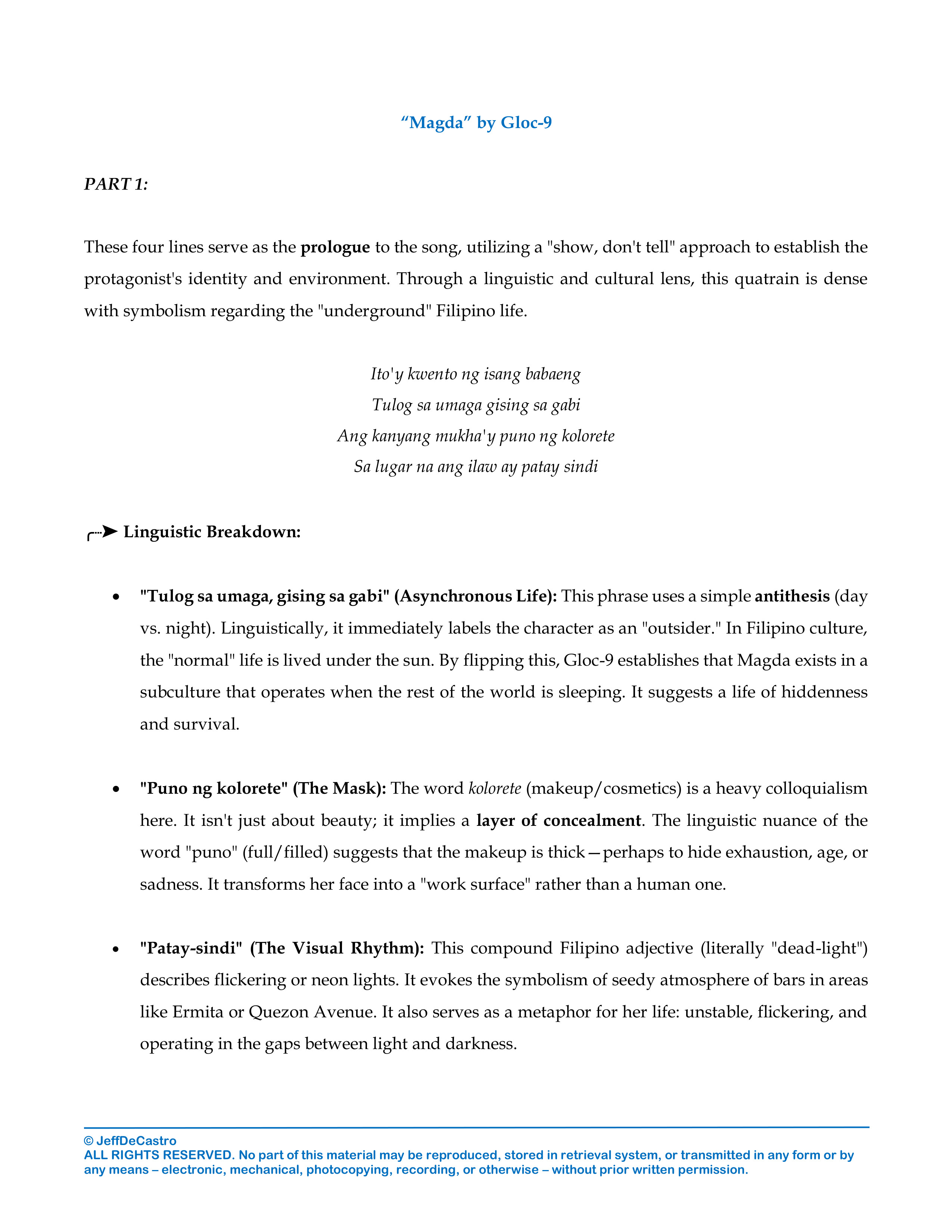
This Tagalog study guide shows compative linguistic and...
In my lessons, I use a blend of academic resources and practical, real-world tools tailored to my students' specific learning goals. My focus is on moving away from static textbooks and toward dynamic, functional materials that reflect how language is actually used. By using these varied materials, I ensure that our lessons remain engaging, relevant, and directly applicable to your life and career.
As an educator with over 17 years of experience, I have worked with a vast spectrum of learners—from absolute beginners to high-level corporate executives. My background in psychology, language and literacy education, and English studies allows me to adapt my teaching style precisely to where you are right now.
To improve listening comprehension, I move beyond simple passive listening. Drawing from my background in language and literacy Education, I focus on active decoding—helping you understand not just the words, but the rhythm, tone, and cultural context behind them.
To help my students speaking with confidence, I move beyond simple conversation. My approach is rooted in psychology and outcome-based education, focusing on reducing "speaking anxiety" while building technical fluency. I create a high-trust environment where mistakes are treated as "data points" for growth rather than failures.
While grammar is important, the most effective writing is built on strong ideas. My student-centered approach emphasizes: 1. Cohesion and Coherence: Ensuring paragraphs flow naturally and argument makes sense from beginning to end. 2. Vocabulary Precision: Moving away from "generic" words and selecting the exact term that conveys meaning—essential for professional business etiquette. Likewise, I don’t just correct errors; I explain the why behind the change. You will receive: 1. Annotated Reviews: Feedback that highlights patterns in writing, such as a tendency to use the passive voice or repetitive sentence starters. 2. The "Quick Fix" vs. "Deep Dive": We distinguish between minor surface errors (punctuation) and deeper structural issues that impact clarity.
To improve reading comprehension, I focus on moving toward active conceptual understanding. During sessions, we often use a shared screen or document to read together. This allows us to: 1. Pause and Reflect: We stop at "friction points"—sentences that are grammatically complex or culturally specific—and break them down until they make sense. 2. Live Mapping: We create visual maps of the text's arguments to see how one idea leads to the next.
I treat language as the "hardware" and culture as the "software." You cannot run one without the other. For examples: 1. Tagalog Learners: We don’t just learn the word "po"; we explore the deep-seated Filipino value of "paggalang" (respect) and how it shifts depending on age, social standing, and intimacy. 2. English Learners: We focus on business etiquette across different regions. We compare the directness of Western corporate communication with the more indirect, "high-context" communication styles often found in Asian business settings.
I view grammar as the "logic of the language"—a tool designed to help you express your thoughts with precision and impact. I never introduce a grammar rule in isolation. Hence, the goal is understand the strategic reason for using a specific structure before you learn the formula. We encounter grammar within a real-world context: 1. For Professional English: We might look at a successful business proposal to see how the passive voice is used to sound more objective and diplomatic. 2. For Tagalog Learners: We look at a social dialogue to understand how verb focus (actor vs.object) changes the entire meaning and emphasis of a sentence in a way that English does not.
Yes, I do. I believe that real progress happens in the gaps between our sessions. However, my approach to homework is purposeful and personalized. Using outcome-based methodology, assignments will be directly linked to the specific goals we’ve set such as: 1. Real-world challenge: I often assign tasks that require my students to use the language in actual life. 2. Multimedia immersion: To sharpen listening and cultural intuition, I curate content for my students to consume at their own pace. 3. Reflective Journaling: To build writing fluency and confidence, I often encourage my students a shared "learning journal." 4. Flexible and manageable: If my students have a busy week and can't get to it, we simply adjust. The goal is consistent progress, not stress.
My personalization strategy is a precise blend of educational psychology and data-driven adaptation. I don’t believe in a "one-size-fits-all" curriculum; instead, I treat our first session as a diagnostic phase to build a bespoke learning map. These include approaches and interventions such as: 1. Conducting a thorough analysis of my students' "linguistic profile". 2. Providing custom "cheat sheets" that address specific "friction points"—the specific grammar rules or pronunciation patterns that students find tricky, rather than a generic list. 3. Integrating students' interests in the subject matter. 4. Adapting my tone and teaching energy to match students' personalities, ensuring they feel comfortable and empowered to take risks. 5. Assigning personalized homework tasks that intersect with students' daily lives.




 Educational Qualification
 Learning Materials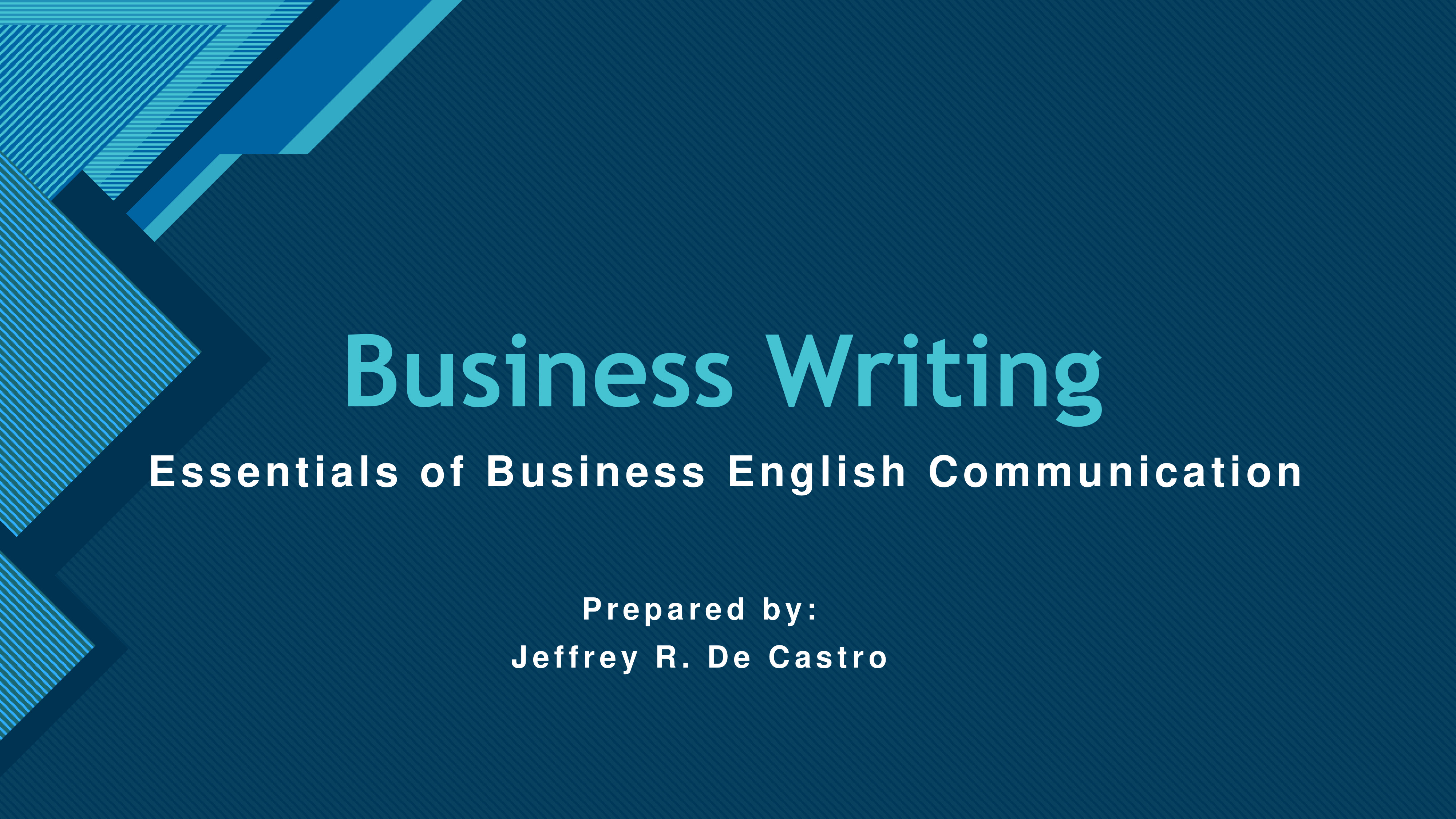


 Questions for You