 Request a Tutor Zostań korepetytorem
Tuen Mun, Hongkong
Skilled at inspiring students to excel academically and personally. Experienced in teaching both International Baccalaureate (IB) and Hong Kong Diploma of Secondary Education (HKDS... Przeczytaj więcej
Education is what remains after one has forgotten what one has learned in school.
- Albert Einstein
The quote above deeply reflects my bottom-line philosophy in teaching, which... Przeczytaj więcej

The Education University of Hong Kong
This PowerPoint presentation provides a brief history o...
I see this all the time. The issue usually isn't that they don't know the facts, it's connecting those facts to real-world problems or exam questions. My approach is to shift from pure memorization to applied thinking. I take concepts and immediately tie them to things they can relate to. Then, I practice past paper questions with them that use those scenarios. It's about building a bridge between the textbook and the real world, which builds both confidence and exam skills.
My students tell me things like, ‘I finally passed a math test for the first time ever,’ or one student recently said she'd totally lost hope in biology until we worked together, and now she’s so into it she's planning to go to med school. So, in terms of success rate, I'd say it's really high, because when I boost my students' confidence and get them actually interested, the good grades tend to follow naturally.
My main trick is to never start with the textbook definition. I always start with something they already know or care about. For example, before diving into something complex like phylogenetic trees, we’ll talk about their own family tree, why they look like their parents, what traits got passed down. Suddenly, it’s not this abstract chart; it’s a story about their own lineage.
This is actually the core of my teaching method, and it comes directly from the issue I see most often: students know the facts but don't know how to use them in a real scenario. My first step is always to bridge the gap personally. I don't start with a textbook definition. Instead, I start with something they already know. Then, I turn our lessons into applied problem-solving. We take that relatable concept and use it to crack open past exam questions
I make it a priority because it shows students that biology isn't just a static textbook, it's a living, breathing field. One of my favorite ways is to assign short, accessible articles or even science news summaries before class. This means we can jump straight into the good stuff: such as debating the ethics of CRISPR, or discussing what a new fossil discovery means for our understanding of evolution. I also love group research projects where they dive into a cutting-edge topic, like mRNA vaccine technology or the neuroscience of sleep. They don't just learn the new facts, they practice the real skills of finding credible sources, synthesizing information, and presenting complex ideas, which is exactly what they need in their further studies too.
My approach is to move them from just filling out a template to thinking like a scientist. Yes, we learn the standard structure: Introduction, Methods, Results, Discussion, but the core lesson I stress is that science is about interpretation, not perfection. I tell them, 'Your data is your data. The job isn't to have perfect results; it's to honestly explain why you got the results you did.
I believe ethical thinking is a skill, not just a list of rules. So, I make it active and personal. My primary method is structured student debates on real world dilemmas. We don't just read about CRISPR or animal testing; we take sides. I might ask, 'Should we edit genes to eliminate a hereditary disease?' or 'Where is the line in primate research?' By having to argue for a position, they're forced to engage deeply.
My most significant experience comes from my role as a Biology panel head in a secondary school, where I organized cross-disciplinary science projects. I didn't just help students with individual entries; I designed an environment where teams of biology, chemistry, and physics students would tackle one complex phenomenon, like ecosystem health or food preservation, from all three scientific lenses. My role was to be their facilitator and research coach: helping them synthesize their different data, refine their core hypothesis, and craft a compelling, unified narrative for their report and presentation.



 Kwalifikacje edukacyjne
 Materiały edukacyjne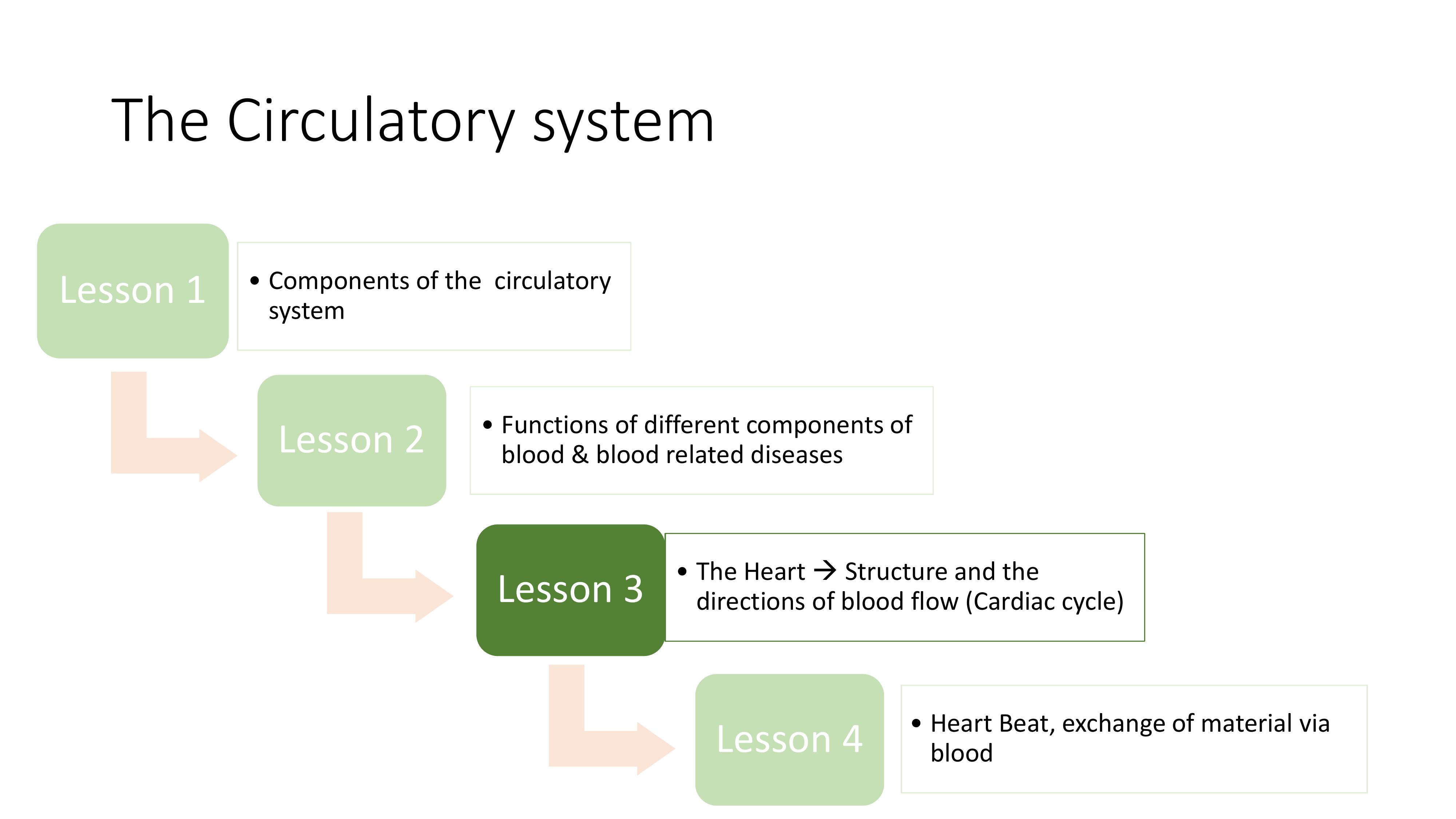


 Pytania do Ciebie