 Request a Tutor Become a Tutor
Wan Chai, Hong Kong
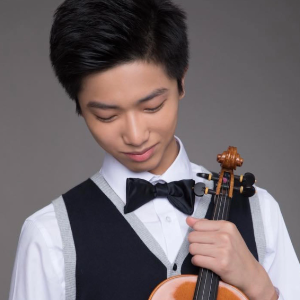
I completed my studies at the University of Adelaide, Australia, majoring in Violin. My dedication to the highest standards in music was recognized when I passed the ATCL performan... Read more
I bring insights from my general professional training to every single lesson. I have performed on stage, experienced the difficulties of strict rehearsals, and walked the road fro... Read more

The University of Adelaide
Trinity College London
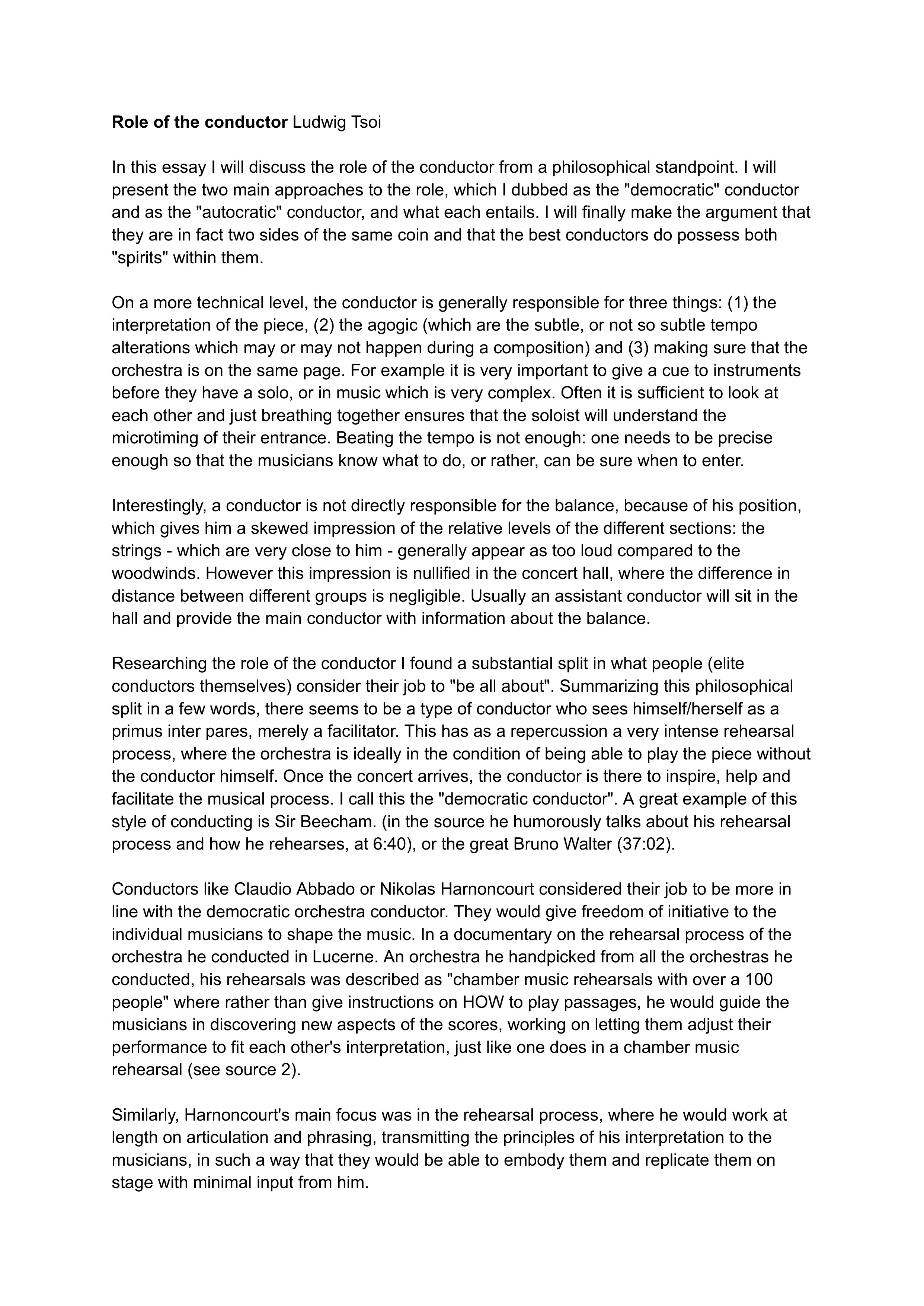
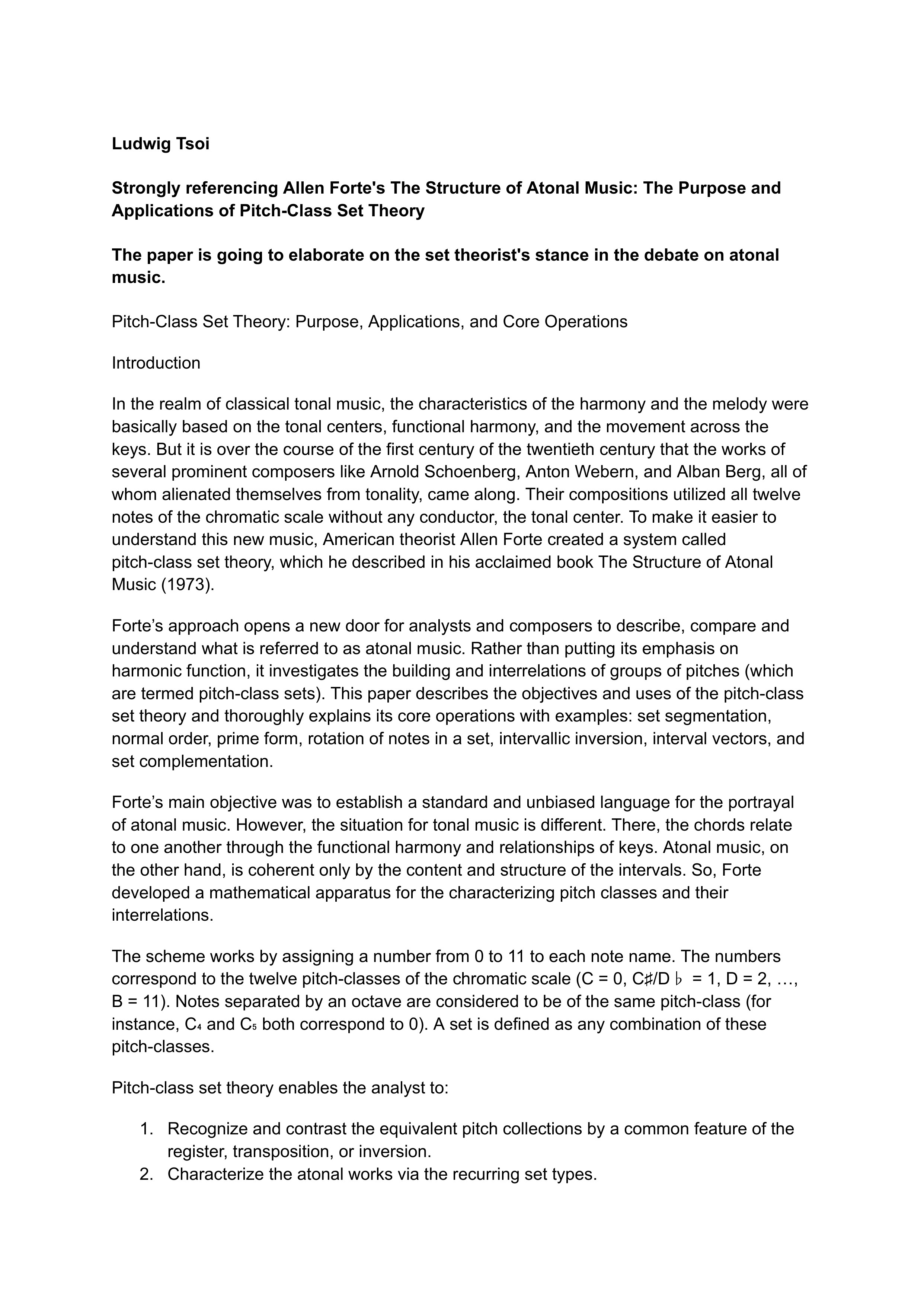
A powerpoint and small analysis on Danse de la fureur, ...
The educational background of Ludwig makes him an exceptional teaching candidate. His superior violin abilities demonstrate his exceptional talent, but his best quality exists in his teaching skills. He demonstrates exceptional teaching skills through his work with my disabled son, showing his ability to understand and teach my son at his own learning speed while celebrating each achievement. His lesson designs match my son's individual learning speed and style, which he celebrates through his teaching method. My son's violin progress and confidence development both stem from his positive attitude and genuine care for my son. The highest recommendation possiblee!
I usually work with the students in the age range of 4 years old to 16 years old, but I also have working experiences with adults, oldest age I've worked with is approximately 45 years old.
As a Classical performance graduate, I approach lesson planning by first establishing clear, individualized technical and musical goals for each student, grounded in the core pedagogical principles and repertoire knowledge from my degree. The preparation process requires me to choose or create technical exercises and etudes which will help students overcome their specific challenges, including intonation and bow control, while I select music which will help them develop these abilities and create artistic work. I then structure each lesson to balance fundamental work, like scales and études, with repertoire study, always planning clear, achievable practice objectives to bridge one lesson to the next. The method provides a structured path which leads to both artistic growth and technical progress for musicians.
The process of assessing student development requires multiple methods which include continuous formative assessment and scheduled summative tests. I monitor daily student progress through my lesson observations which let me hear their improved intonation and relaxed body language and their advanced speaking skills. I create specific benchmarks which include a student performing an étude with accurate musicality and a student integrating a new bowing technique into a piece and a student achieving their target tempo with exactness. The process of evaluating learning outcomes depends on students demonstrating their ability to recognize and solve technical and musical challenges which shows they have achieved mastery beyond basic repertoire knowledge.
The basic structure of homework assignments serves as an essential element because it enables students to demonstrate their understanding of lesson material through actual educational advancement. I provide students with weekly written assignments which contain specific details about their practice work including the exact number of repetitions they should complete and the specific tempos they should reach and the particular objectives they must achieve during each exercise and musical piece and their listening work or theoretical assignments. The primary method I use to assess student progress during the lesson requires students to demonstrate their abilities while we compare their performance to the targets established in their assignments. The system provides ongoing feedback through audio and video notes which I create during the week to respond to student practice recordings that they share with me. The notes contain instant feedback and motivational assistance to help students stay on their study path.
I use various technological tools to develop online lessons which provide students with interactive and effective learning experiences. The essential system requires an external microphone which delivers high audio quality together with Zoom as a video conferencing tool to achieve optimal sound performance needed for comprehensive violin teaching. I use three specialized tools to enhance my work: TonalEnergy Tuner & Metronome offers a shared visual reference which displays both rhythm and pitch, forScore enables us to digitally annotate sheet music in real time, and YouTube or dedicated audio platforms provide us with reference recordings to study different stylistic approaches. I assign students practice aids like SmartMusic which provides both musical accompaniment and performance evaluation, and I use Google Drive as my cloud storage solution to distribute all recordings and exercises and notes which helps us maintain session connection while tracking our progress.
Yes, I consider my support to extend beyond the confines of the weekly lesson to foster a truly supportive learning partnership. I maintain an open-door policy for brief, clarifying questions via email or text, which helps students overcome immediate practice obstacles without forming bad habits. For more complex issues, I may suggest a quick follow-up video call or offer to review a short practice recording. The system provides students with continuous access to my support system while my personal study time remains protected through established working hours. The system builds trust between teachers and students by making progress assessment a shared responsibility between both parties.
Absolutely. The process of helping a student who faces academic difficulties and shows lack of interest needs a diagnostic method which uses empathy for its implementation. First, I seek to identify the root cause—whether it's frustration with a technical plateau, a loss of connection to the music, or external pressures-which I will determine through open conversation. I then use a strategic approach to bring back happiness and personal control which involves me to shift my attention away from my current work. The student will study their favorite music through simplified versions and will help create an enjoyable performance project, which will use game-based activities to teach them about difficult technical skills. I establish smaller achievement targets to help students reach their goals while I provide them with ongoing precise praise which helps their confidence grow and shows how their effort results in actual progress.
My training includes formal education and real-world teaching work with students who have ADHD and dyslexia and autism spectrum disorder. My teaching method centers on students as I seek to discover their distinct learning strengths Through color-coded notation and tactile markers and movement and aural learning methods I will teach students who learn through kinesthetic or auditory methods. The primary teaching requirements include showing patience and using multiple communication methods and adjusting lesson plans and class time when needed. I work together with parents and professionals to create teaching methods that support students' growth while helping them build confidence and happiness through learning the violin.




 Educational Qualification
 Learning Materials


 Reviews Received
 Questions for You